In 2021, Abilene, Texas, the manufacturing industry and education sector wanted to take their established partnership to another level. The goal: to commit time and resources to increase regional employment in middle-skill, high-wage, manufacturing careers in West Central Texas by 10 percent by 2030. In East Hartford, Connecticut, local employers, workforce entities, and job seekers came together with a shared vision. They wanted to focus on a long-term effort to align career opportunities with workforce readiness by increasing household wealth for at least 10 percent of households who earn less than the median income.
When multiple stakeholders in the same geographic place collaborate in an intentional and focused way guided by data, the solutions can create long-term success. For over 50 years, focused and coordinated place-based initiatives (PBIs) have shown promise to address community development challenges. PBIs bring together nonprofits, government agencies, community organizations, and residents in a specific region to tackle a common problem. These coalitions commit to a shared plan and timeline to work through the community issue and develop solutions.
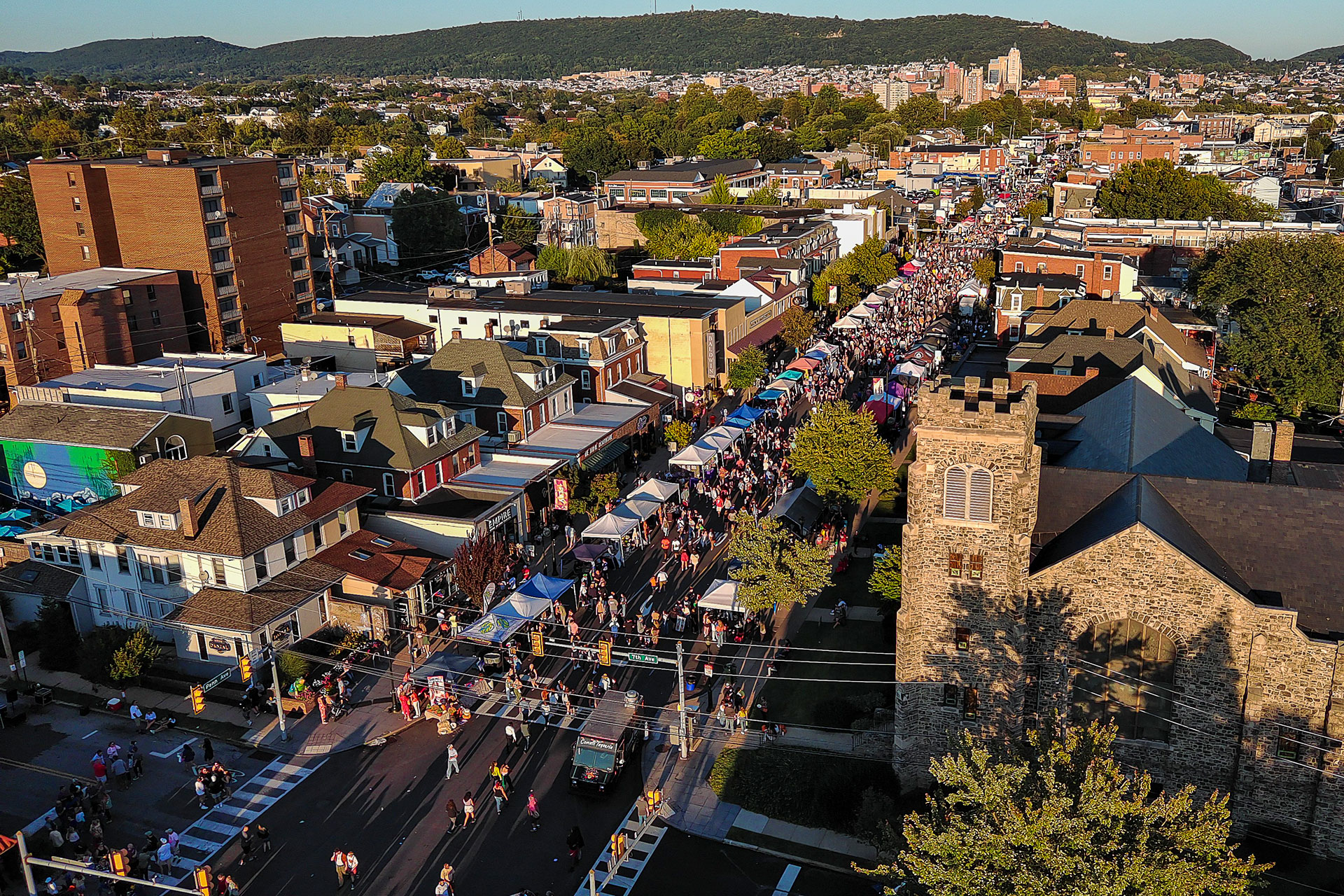
The benefit of a coordinated approach is that it achieves a greater impact when working together than trying to solve the challenge as individual entities. Financial institutions, federal and state agencies, non-government organizations (NGOs), philanthropic organizations, and local community development agencies have engaged in a variety of place-based funding initiatives to concentrate investments in a specific location, aiming to achieve measurable community revitalization results.
What’s needed for place-based initiatives to be successful
Coordinating resources and activities to achieve shared goals and visions is complex work. These efforts of working together to solve a regional economic challenge can accelerate progress and expand impact. Experience with this work suggests PBIs generally require five essential components to be effective.
- Collaborative leadership– involving a diverse and broad range of local stakeholders, not just formal or institutional leaders, to develop creative solutions.
- A shared long-term goal– finding common ground and working toward an established, shared vision.
- System changes– recognizing the systemic barriers, including policies, practices, and the allocation of resources, that need to be addressed to produce successful outcomes.
- A commitment to using data– defining what success will look like and how it will be measured.
- Community engagement– engaging residents in the shared plan and vision as well as the evaluation of progress and learning over time.
How the Fed adds value to place-based work
For over 10 years, Federal Reserve Banks across the System have been supporting PBIs. In partnership with NGOs and local government, community development staff help shape and inform place-based strategies with research, data, best practices, network sharing, convening power, and local subject-matter expertise. While no funding is provided by Reserve Banks, some of these initiatives support local efforts with funding provided by external partners in philanthropy, state government, and the private sector.

“The Federal Reserve Banks bring a unique perspective to the communities that we support on the ground,” said Molly Hubbert-Doyle, Federal Reserve Bank of Dallas. “We do this by leveraging both our district-specific insights and our role within a national institution focused on building a strong economy across the country.”
– Molly Hubbert-Doyle, community development manager, Federal Reserve Bank of Dallas
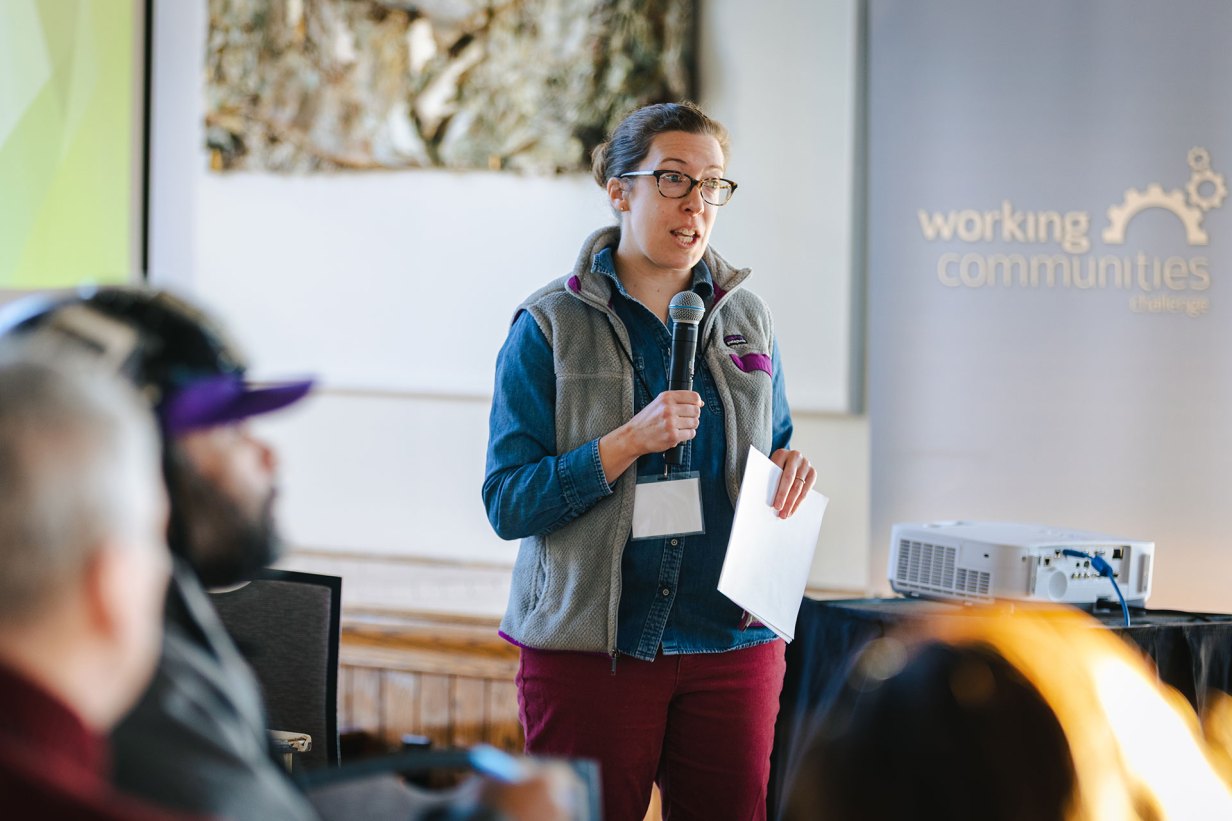
The Federal Reserve Bank of Boston’s Working Communities Challenge (WCC) partners with leaders in New England’s smaller cities, regions, and towns to support community leaders’ efforts. The collaborations help to ensure that all residents are included as a part of their local economy.
The WCC recognizes that many smaller, post-industrial cities and much of New England’s rural northern regions have historically been excluded from New England’s economic vitality, with significant populations left out of the workforce after manufacturing declined. Strengthening the region’s economies serves the full employment component of the Fed’s dual mandate and the goal of building a vibrant regional economy.
In 2009, Boston Fed researchers identified an essential factor driving economic resurgence in these places: a strong civic infrastructure characterized by leaders who collaborate across sectors, mobilize resources and networks, and pursue a shared vision for long-term prosperity. WCC put that research into action. The Boston Fed created a competition for local leaders committed to collaborating in new ways to make local economies work better for lower-income residents. The WCC brought together a cross-sector team including public, private, and philanthropic investors to deploy grant awards and select the winners from local pitches. The Federal Reserve does not provide any funding for the PBIs. Since 2014, WCC has reached 16 cities across Massachusetts, Rhode Island, and Connecticut.
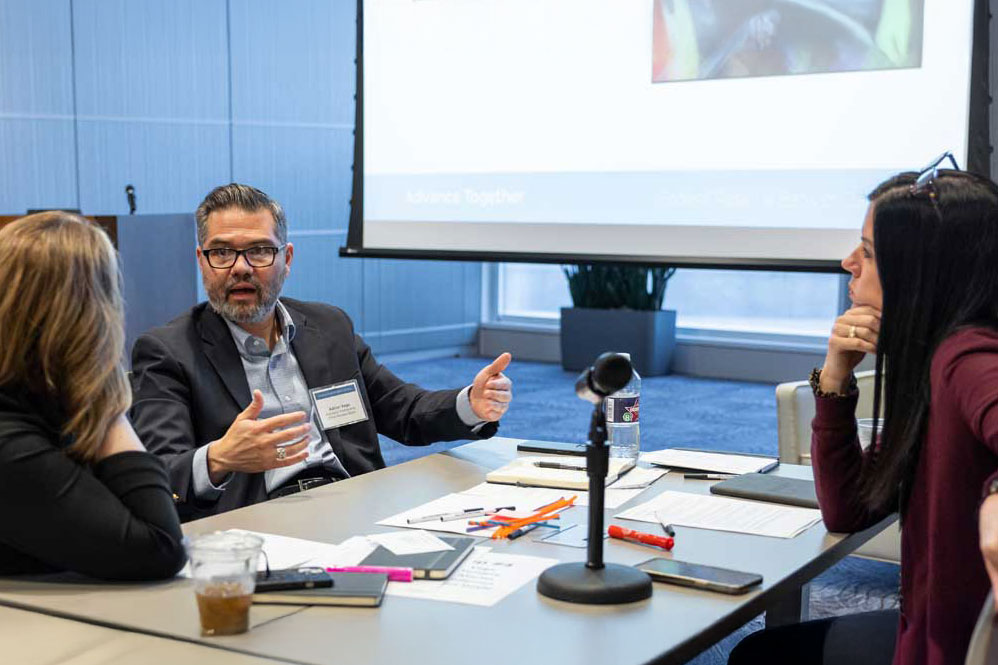
“The Federal Reserve Banks bring a unique perspective to the communities that we support on the ground,” said Molly Hubbert-Doyle, who manages Advance Together, the Dallas Fed’s effort supporting PBIs. “We do this by leveraging both our district-specific insights and our role within a national institution focused on building a strong economy across the country.”
Federal Reserve System Place-Based Initiatives
- Southern Cities Economic Initiative– Federal Reserve Bank of Atlanta
- Working Places (includes Working Communities and Working Cities)— Federal Reserve Bank of Boston
- Advance Together– Federal Reserve Bank of Dallas
- Reinventing our Communities– Federal Reserve Bank of Philadelphia
- Rural Investment Collaborative– Federal Reserve Bank of Richmond
For more information about PBIs across the Federal Reserve, view resources from the Connecting Communities webinar held on February 13, 2025.