



Economic Development
-
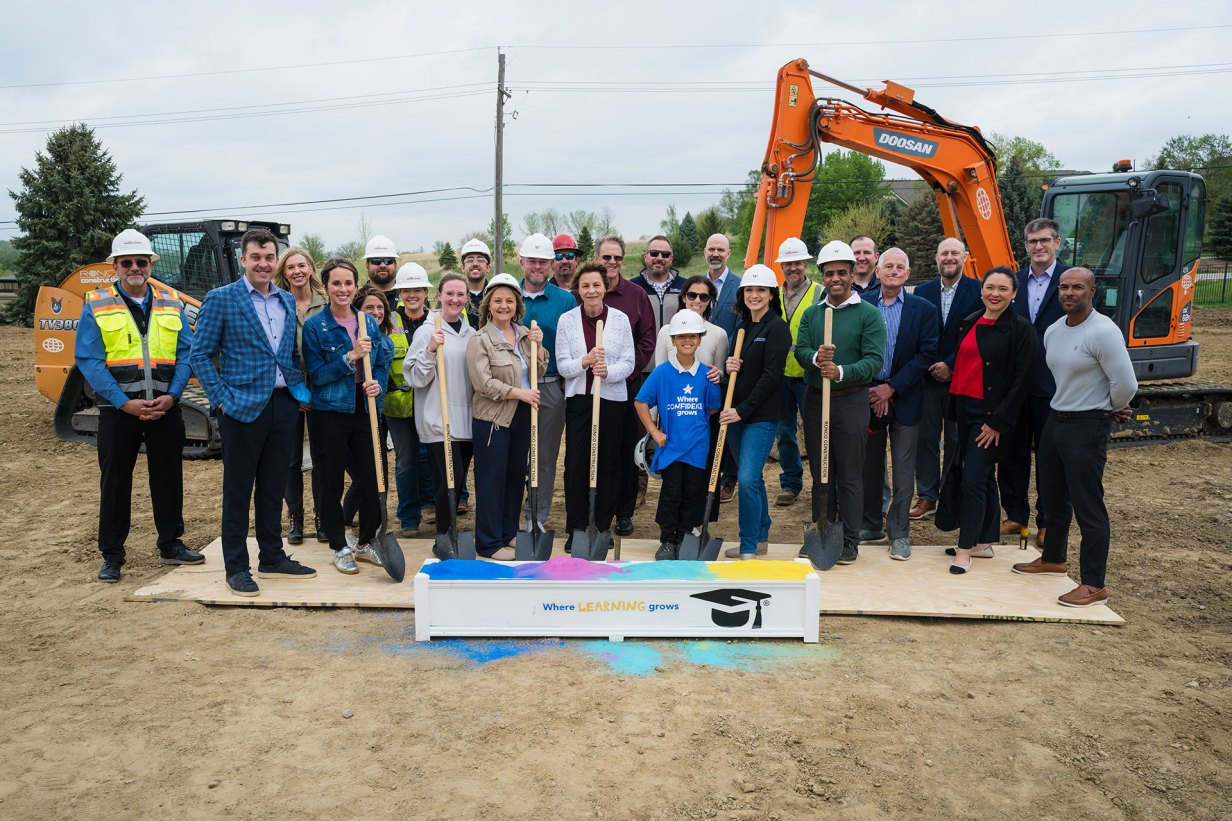
Impact-first capital aims to activate the larger community finance toolbox
As traditional financing sources stretch thin, impact investment may offer the patient, flexible, risk-tolerant capital some community development initiatives need. Federal Reserve staff and partners convene investors and community leaders to explore opportunities for this unique capital to help power communities’ plans for economic growth.
-

CDFI Survey Results by State
From April 10 through June 13, 2025, the Federal Reserve fielded the 2025 Community Development Financial Institutions (CDFI) Survey. Four hundred forty-six mission-driven lenders answered questions about their operations, demand for their products and services, challenges, and more.
-
[Watch] Building Community Capacity to Harness Opportunity Zones 2.0 Investments
This Connecting Communities webinar explored what’s changing in Opportunity Zones 2.0 and why it matters for communities across the country. It offered practical tips for building project pipelines, strengthening partnerships, and supporting community-focused investment. Watch or listen on demand.
-
Community perspectives and conditions from the Fed’s Beige Book, October 2026
The October Beige Book highlights financial strain as households face rising essential costs and reduced benefits, while nonprofits and small businesses continue to face growing demand, expenses, and uncertainty.
-
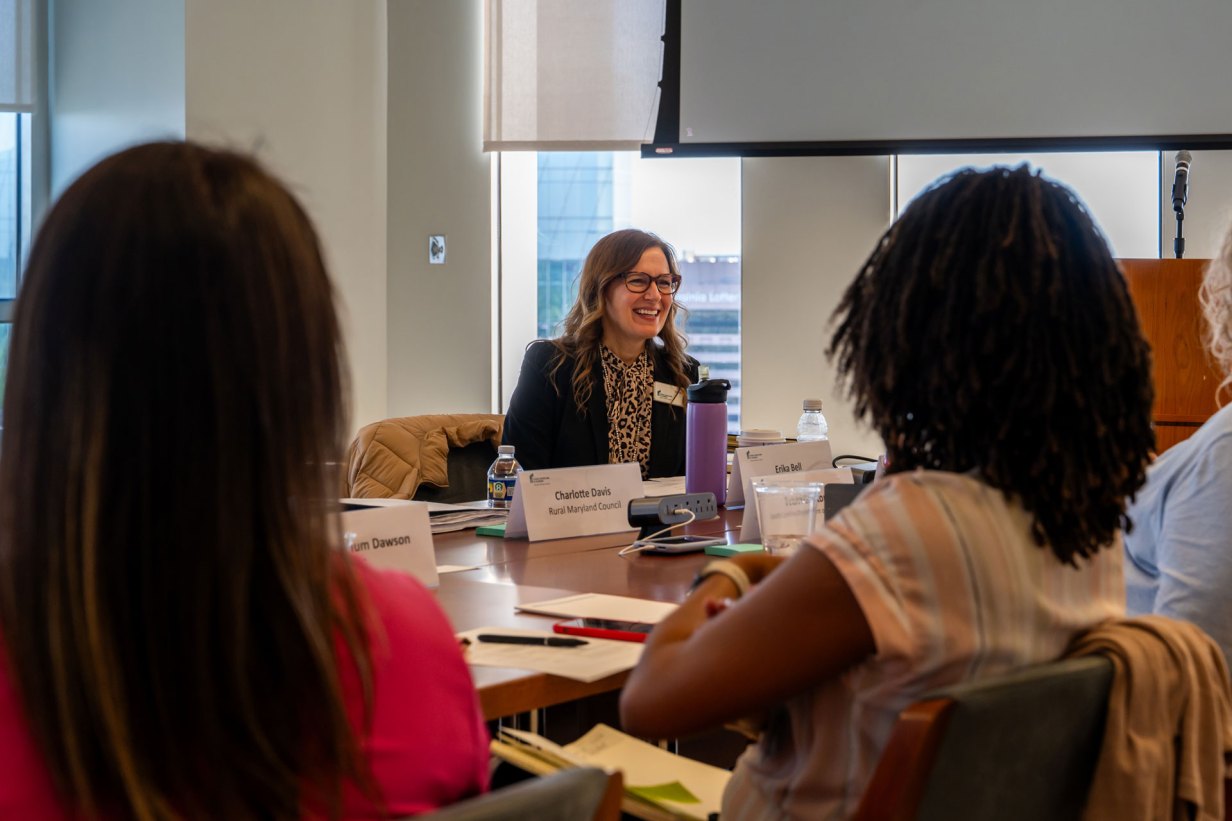
Initiatives and people boost rural opportunities
With deep rural ties and experience working with small businesses and nonprofits, Erika Bell supports rural economic growth at the Richmond Fed through initiatives that connect rural leaders with resources, training, and networks to build stronger communities.
-

The Quarterly Catch-up, Q3 2026
Check out the latest community development-related research, analyses, and articles from all 12 Federal Reserve Banks and the Board of Governors. This post captures content published between July 1 and September 30, 2026, on topics affecting communities.
-

Can banks deliver safe, inexpensive instant payment services to underbanked customers?
Some people with bank accounts still turn to nonbank services when they need to quickly send or receive money. But those services often come at a cost. Federal Reserve resources highlight why underbanked people use these alternatives and how offering lower-risk, inexpensive services might help banks better meet these consumers’ needs.
-
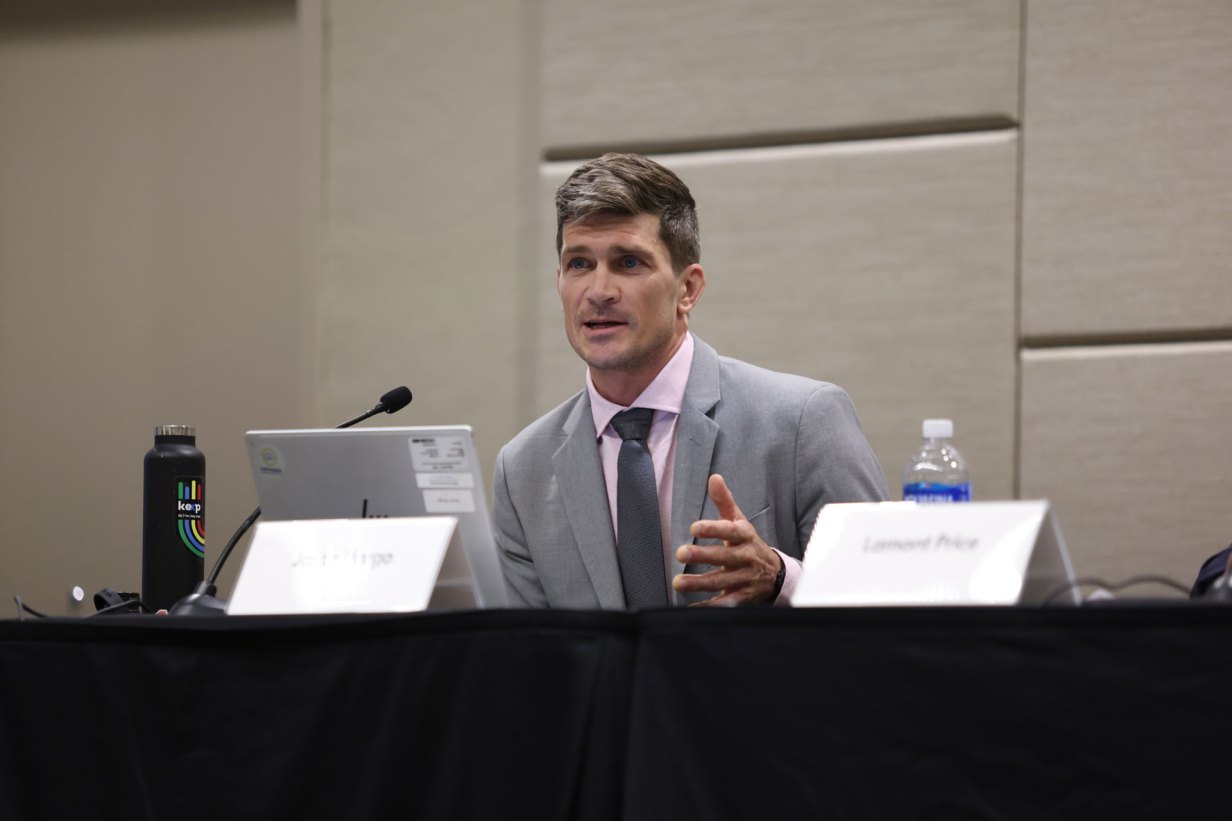
In the zone: Jason Vargo’s Fed work links data and economic opportunity
The Federal Reserve Bank of San Francisco’s Jason Vargo shares how the goals of opportunity zones align with his interest in improving economic outcomes and his community development data and research work.
-
Community perspectives and conditions from the Fed’s Beige Book, August 2026
Rising costs continue to put a strain on households and communities. The August Beige Book highlights pressures from housing, transportation, and health care costs, along with small businesses experiencing limited access to credit and workforce challenges.
-
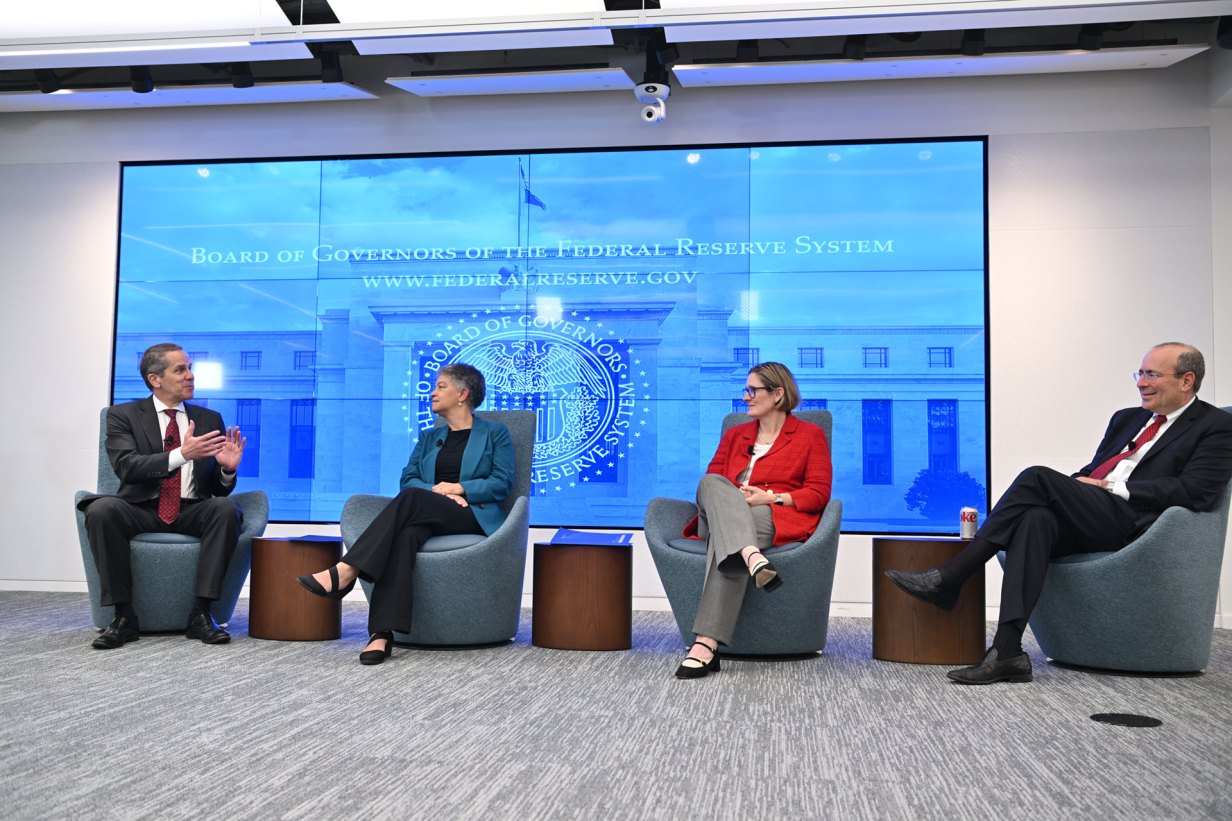
“Not one story, but many”: Fed policymakers enhance their understanding of rural economies through outreach
Fed Reserve leaders continue to deepen their knowledge about challenges and opportunities in rural parts of the country.