



Worker Perspectives
-
![[Watch] When Every Dollar Counts: Worker Perspectives on the Economy](https://fedcommunities.org/wp-content/uploads/2026/07/Sept-3-2026-CC-WP-1920x1280-1.jpg?w=1232)
[Watch] When Every Dollar Counts: Worker Perspectives on the Economy
In this recent Connection Communities webinar, discover how low- to moderate-income workers adapt to rising costs and limited opportunities. Hear firsthand stories, research highlights, and Federal Reserve leaders’ insights on how financial pressures shape choices, resilience, and the future of our economy. Watch or listen on demand.
-
2026 Worker Perspectives Executive Summary
2025 focus groups with low- to moderate-income workers reveal concerns about rising costs, stagnant wages, financial stress, and limited job options. Despite these challenges, participants remain optimistic and pursue better pay, stability, and work-life balance. Find out more.
-
Worker Perspectives: Economic context and methodology
The Federal Reserve Bank of Atlanta, in partnership with several other Federal Reserve Banks, and Ipsos, studied workers with lower and moderate income in the labor market. This study better informs policies on employment and price stability. The research focused on views about jobs, financial security, and employment expectations.
-

Worker Perspectives: When every dollar counts: Inside the economic struggles of workers who earn low to moderate incomes
For many lower and moderate income workers and job seekers, survival is replacing economic mobility. This research explores how individuals navigate tight budgets and a challenging job market. Despite these obstacles, many spoke of their perseverance in the face of challenges and remained confident in their ability to navigate uncertainty.
-
2026 Worker Perspectives Report: When every dollar counts: Inside the economic struggles of workers who earn low to moderate incomes
The Worker Perspectives Report explores how workers are navigating rising costs, limited opportunities, and a challenging job market. To navigate these obstacles they are adapting finances and career plans, while also speaking hopefully about their personal ability to manage uncertainty. In their employment, they prioritize flexibility, work-life balance, and fair pay. Here’s what workers are…
-
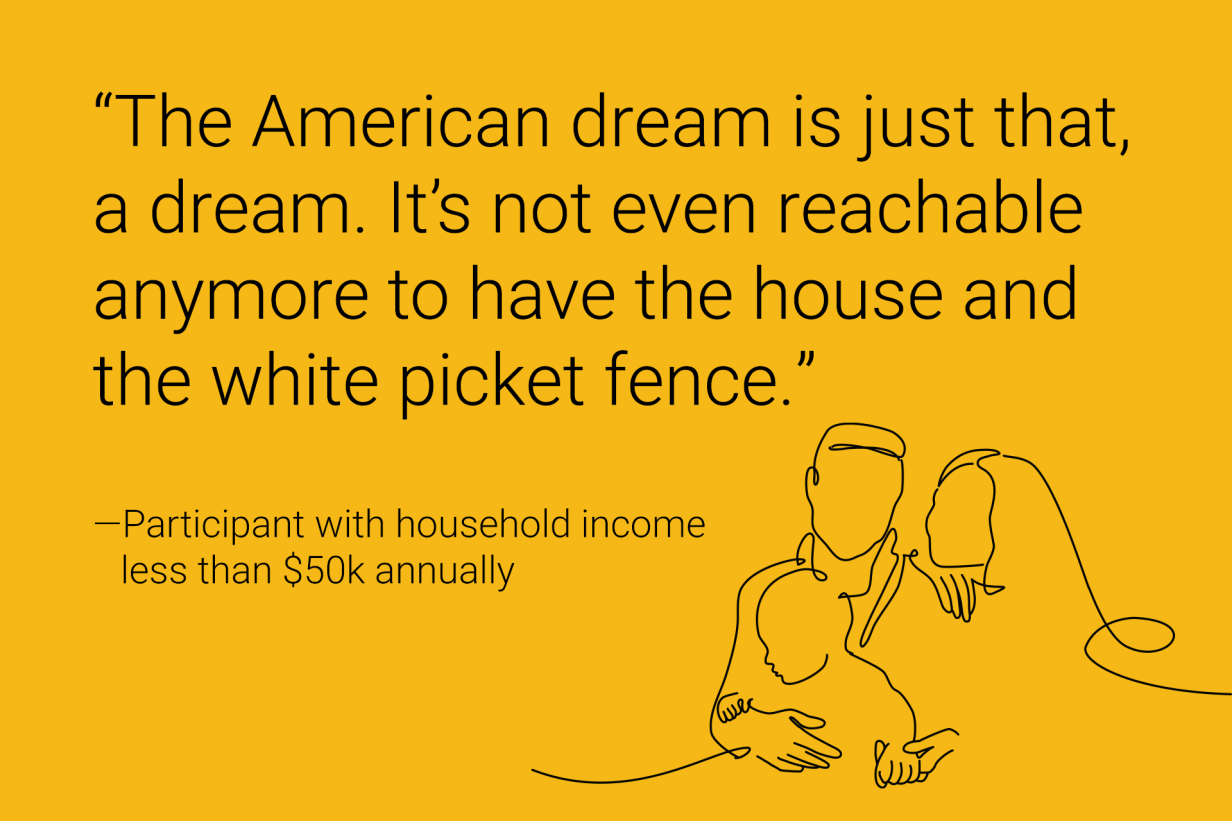
Worker Perspectives: Key Themes
The 2026 Worker Perspectives Report shows workers face financial instability from rising costs and inadequate wages. This instability limits their economic mobility. They struggle to find quality jobs amid new barriers, yet maintain personal confidence in their ability to persevere in the face of economic challenge despite low faith in the broader economy.
-

Fostering maximum employment: Why the Federal Reserve studies investments in America’s workforce
The Federal Reserve’s dual mandate includes promoting maximum employment. This article features examples of the various ways Fed research, outreach, and partnerships contribute to achieving this optimal state of the labor market.
-
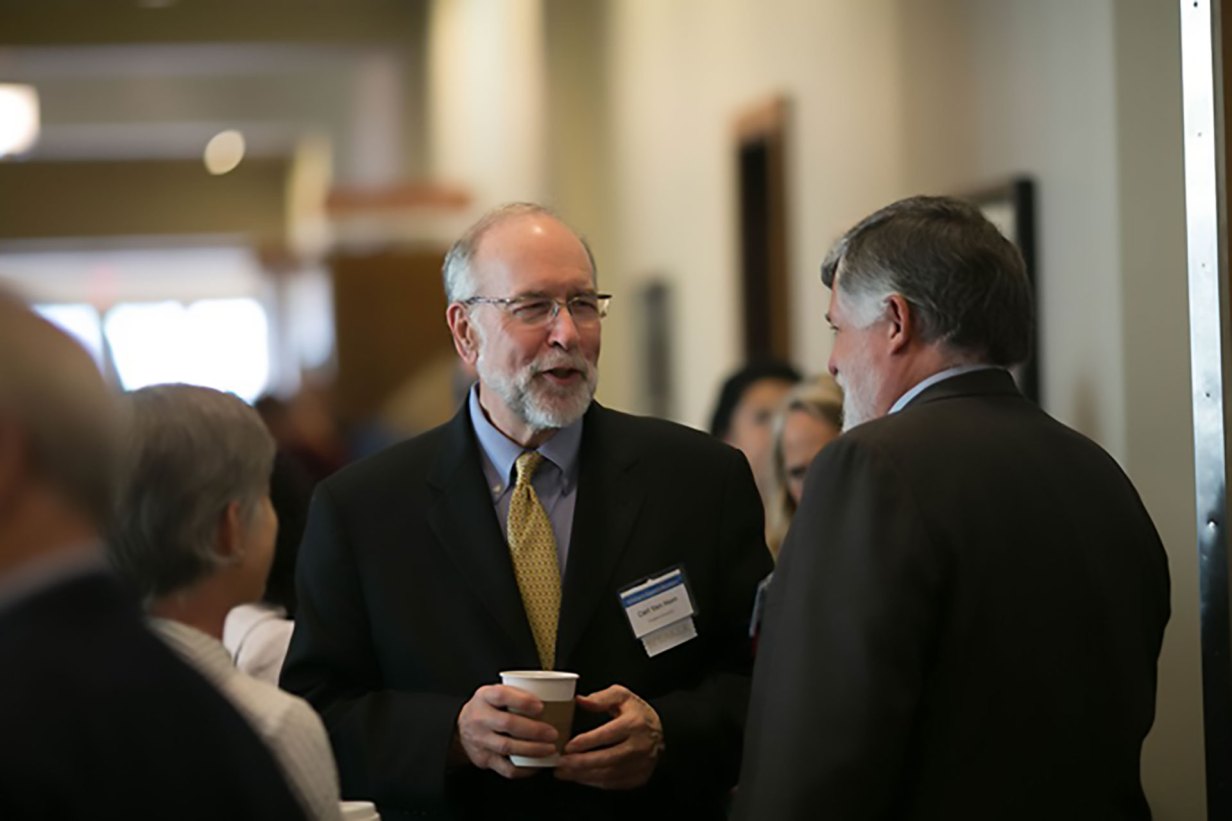
Rutger’s Heldrich Center uses data to help bolster workforce initiatives
The John J. Heldrich Center for Workforce Development provides research expertise and analysis to organizations, including the Fed, to help improve education, training, and workforce development programs that affect employers and employees.
-
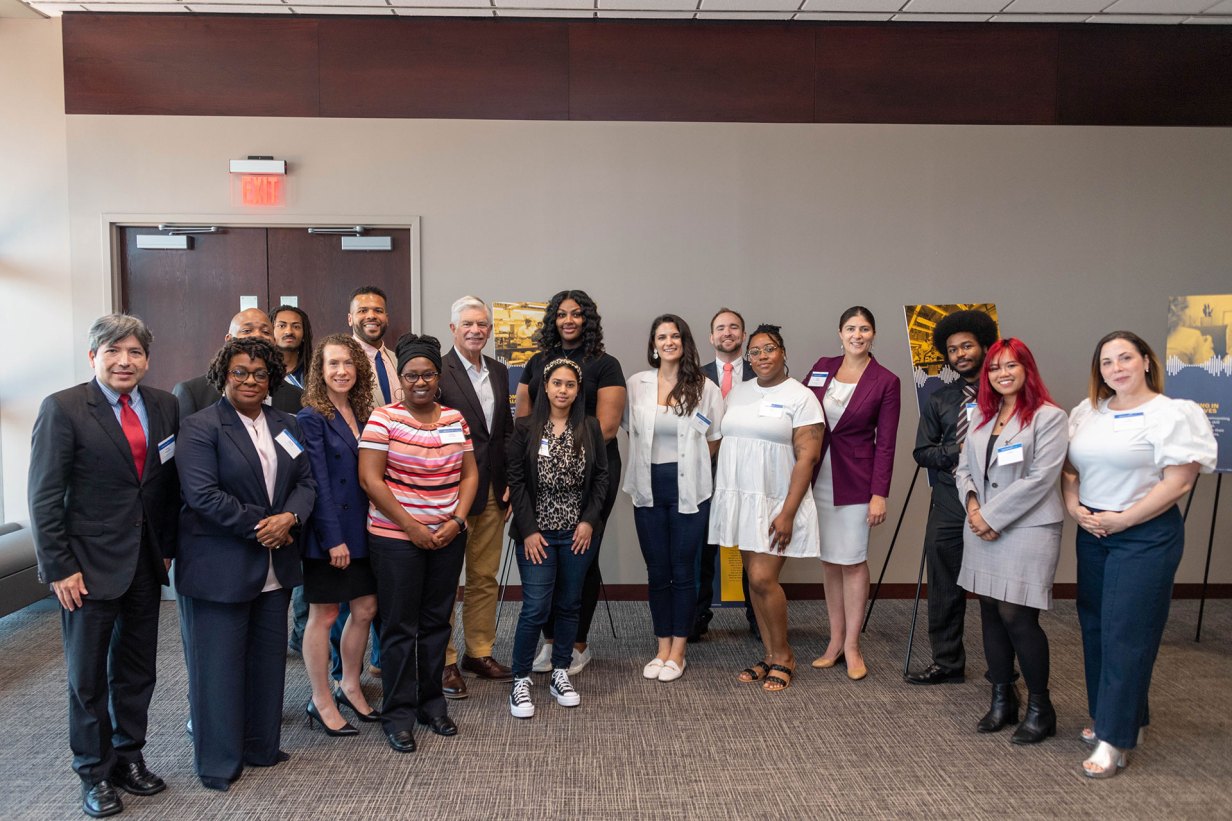
Workforce as an investment: Philadelphia Fed Patrick Harker reflects on the Fed’s work in building a more inclusive workforce
In this Q&A, outgoing Philadelphia Fed President and CEO Patrick Harker, who has helmed the Philly Fed since 2015, reflects on why he views workforce development as an investment, how the Fed’s role in supporting workers has evolved, and how listening to communities has shaped his approach to monetary policy.
-
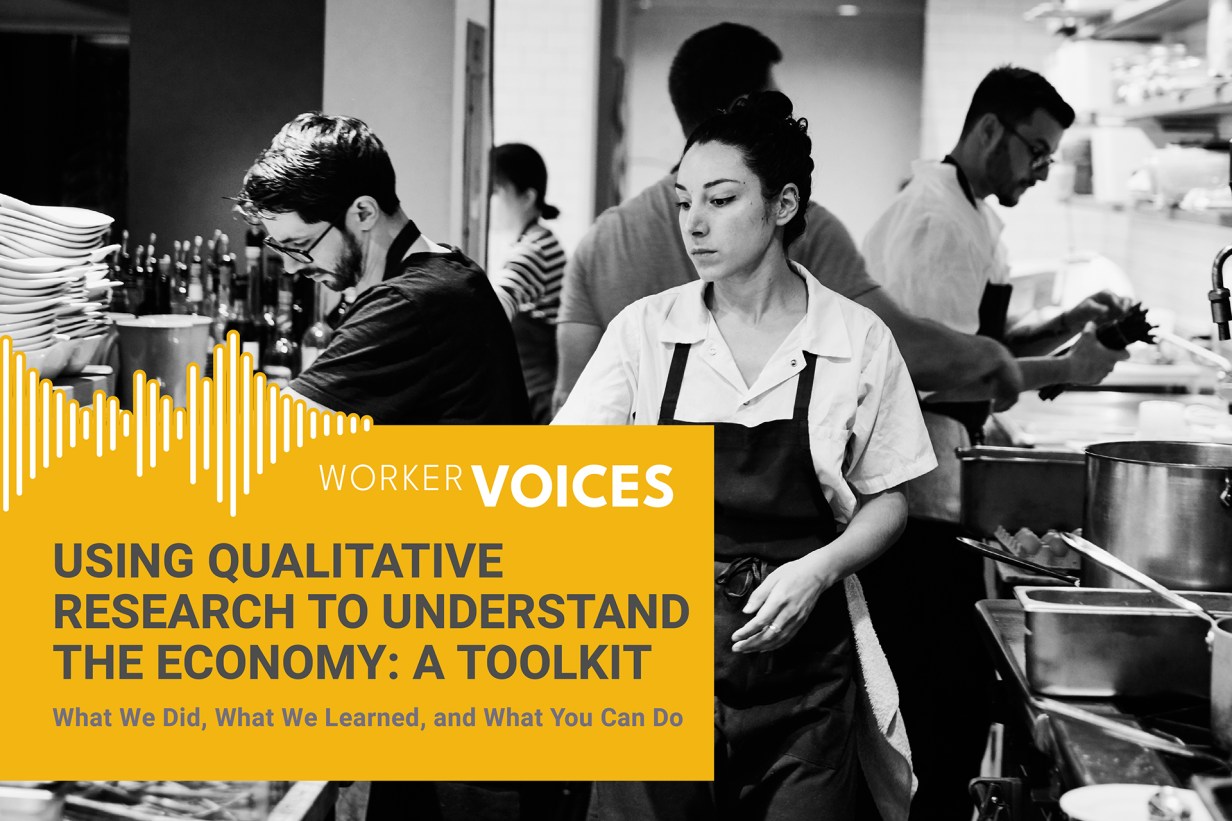
Using Qualitative Research to Understand the Economy: A Toolkit
The toolkit offers insights on using community-engaged qualitative research practices gleaned from the Federal Reserve’s Worker Voices Project and shows how others can use these methods in their own work. This toolkit is for researchers, policymakers, employers, and workforce organizations interested in partnering with the populations they serve and elevating community perspectives.