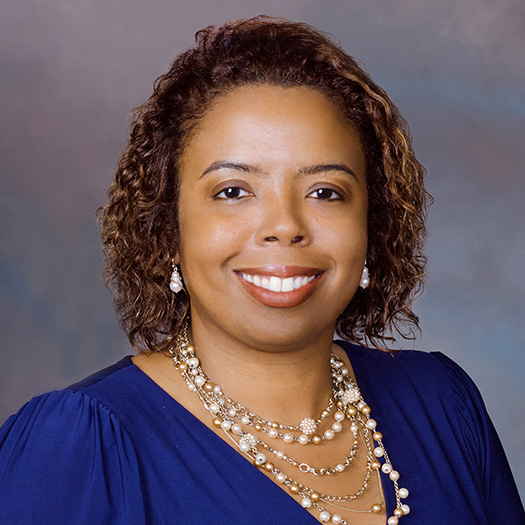
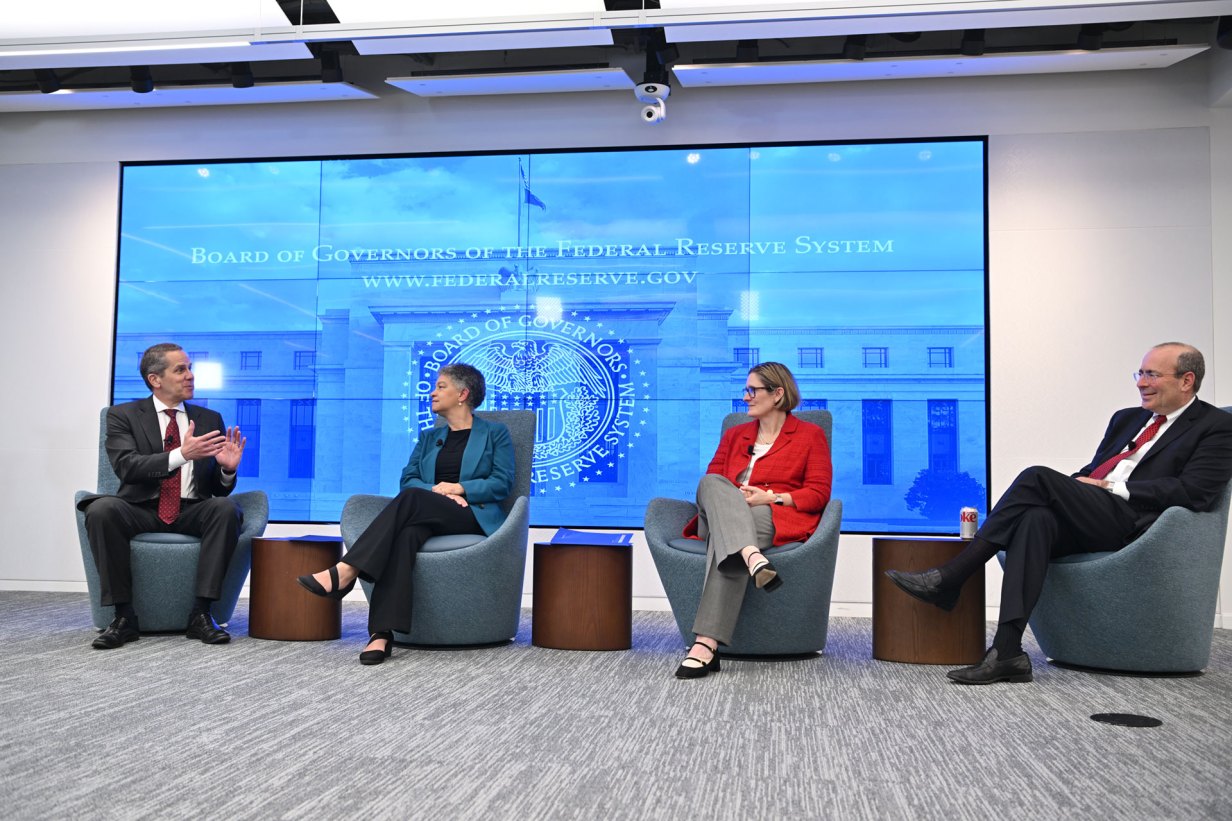
On April 14, 2026, Federal Reserve Governor Michael S. Barr gave opening remarks and moderated a fireside chat with Reserve Bank presidents Susan M. Collins, Anna Paulson, and Tom Barkin at “Strengthening America’s Economy through Rural Investment: A Working Forum.” Photo courtesy of the Federal Reserve Board of Governors
“Not one story, but many”: Fed policymakers enhance their understanding of rural economies through outreach
By Jennie Blizzard
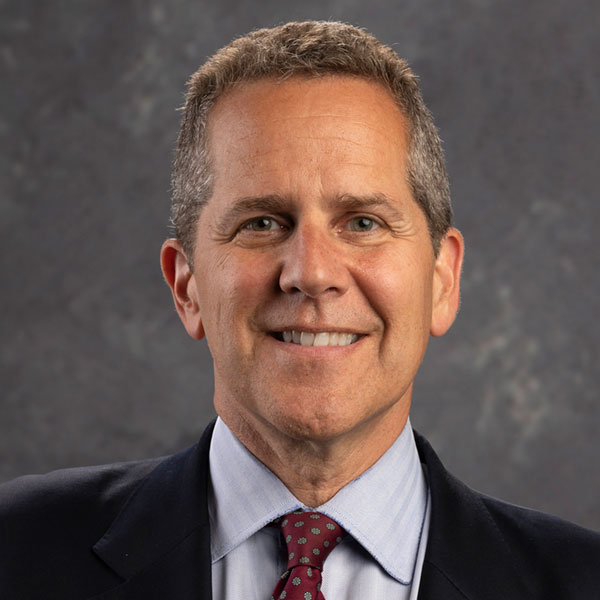
“Rural America is not one story, but many. Its economic foundations, geographic characteristics, and future trajectories differ not just from region to region, but often from one community to the next.”
– Michael S. Barr, governor, Federal Reserve Board of Governors
Federal Reserve policymakers gain important insights from the rural communities they visit – insights that directly inform their understanding of the national economy. Through sustained outreach, Fed leaders are learning how workforce challenges, innovative development models, and population changes shape economic conditions in rural communities, home to millions of Americans. The visits also challenge common assumptions about rural economies.
At the Fed’s 2026 Rural Investment Conference, leaders from across the Fed System shared what they’ve learned. “Rural America is not one story, but many. Its economic foundations, geographic characteristics, and future trajectories differ not just from region to region, but often from one community to the next,” said Michael S. Barr, governor at the Federal Reserve Board of Governors. “My travels have shown me the great diversity across rural communities and reinforced the importance of adapting approaches rather than relying on a single narrative or uniform community development policy.”
Whether travelling to Clarksdale, Mississippi, to learn how a hotel redevelopment used the New Markets Tax Credit to fuel Blues tourism, or visiting Delaware to hear more about the poultry industry’s importance to the state’s economy, Federal Reserve leaders continue to deepen their knowledge about challenges and opportunities in rural parts of the country.
Commitment and partnerships
Federal Reserve policymakers are witnessing first-hand how rural communities are leveraging creativity, innovation, sustained effort, coordination, and intention to help strengthen America’s economy.
“You see really committed residents,” said Anna Paulson, president and CEO of the Federal Reserve Bank of Philadelphia, whose District covers the region of Delaware, southern New Jersey, and eastern and central Pennsylvania. “In every rural place that I’ve visited, I’ve met somebody who grew up there, left, went to school, did some other things, and then came back because they wanted to raise their family in a community like the one they grew up in. They wanted to make that community what they needed for their family [and for their community to thrive].”
This commitment is also evident in cross-sector collaborations among various community development stakeholders. In Thomas and Davis, West Virginia, a local Community Development Financial Institution (CDFI) served as a financial engine and connector across multiple sectors to help reinvent the community as hubs for arts, culture, and outdoor recreation after a period of economic decline. As mission-driven lenders, CDFIs provide special financial services to underserved communities and can operate as a conduit for federal funds to flow through in the form of small business loans, grants to entrepreneurs and artists, technical assistance, and support for local government capacity. This network model of development demonstrates further the significant role CDFIs play to make credit available in underserved areas.
Population challenges
While funding models like the one described above can help drive successful outcomes, research shows that many rural communities face multiple structural challenges that can make economic revitalization difficult. A combination of lower population, lower household incomes, and fewer large corporations can limit both the tax base of rural communities and the public and private capital available. Challenges with access to capital, infrastructure, and topography can also pose hurdles for rural communities to develop and complete projects.
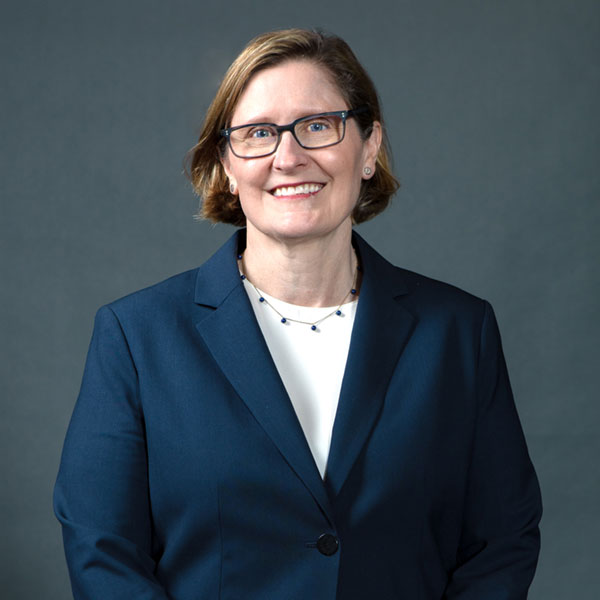
“In every rural place that I’ve visited, I’ve met somebody who grew up there, left, went to school, did some other things, and then came back because they wanted to raise their family in a community like the one they grew up in. They wanted to make that community what they needed for their family [and for their community to thrive].”
– Anna Paulson, president and CEO, Federal Reserve Bank of Philadelphia
According to US Department of Agriculture data, in 2023, rural counties had relatively low shares of prime working-age adults (those aged 25 to 54), while residents 65 and over grew from 7.4 million in 2010 to 9.7 million. This imbalance affects the workforce by leaving a smaller labor force supporting younger and older populations.
Population decline and aging are also key constraints for some rural communities. Analysis of Census Bureau data by Kansas City Fed staff reveals that between 2020 and 2025, 47 percent of US rural counties experienced population growth, with only 25 percent doing so through increases in their local populations. More than 86 percent of the rural counties that saw their populations rise during that period relied on net migration.
More than agriculture
From research and outreach, Fed policymakers see and hear how rural economies depend on a mix of industries, including manufacturing, healthcare, and retail industries.
“There are a number of misconceptions about rural communities. One is the idea of agriculture being the economic driver,” said Susan M. Collins, president and CEO of the Federal Reserve Bank of Boston. The Boston Fed’s region covers Connecticut, Maine, Massachusetts, New Hampshire, Rhode Island, and Vermont. “While that is true for some communities, certainly in the aggregate that’s not the general story. In fact, the industrial mix and the share of employment is similar in rural areas nationally to urban areas.”

“There are a number of misconceptions about rural communities. One is the idea of agriculture being the economic driver. While that is true for some communities, certainly in the aggregate that’s not the general story. In fact, the industrial mix and the share of employment is similar in rural areas nationally to urban areas.”
– Susan M. Collins, president and CEO, Federal Reserve Bank of Boston
In 2025, Collins visited The Jackson Laboratory, a biomedical research organization based in Bar Harbor, Maine, to hear how employees there are using new technologies to expand health care access in rural communities.
The lab’s Maine Cancer Genomics Initiative, for example, helps connect global experts in cancer virtually to healthcare community networks in rural areas across the state. Those experts can help doctors who otherwise may not have access to that kind of expertise to analyze the genomics results of a biopsy and decide on the best treatments. This example illustrates how rural areas increasingly rely on high-skill, knowledge-based industries beyond traditional sectors.
Workforce and artificial intelligence
Artificial intelligence (AI) is a rapidly developing technology that could have various consequences for the workforce, including in rural communities. While both the development and adoption of AI are in the early stages and its effects uncertain, AI has the potential to address challenges in finding labor, managing costs, or both. Research from the Federal Reserve Bank of Kansas City suggests that in some regions of the US, more than half of agricultural employment could experience substantial productivity gains by adopting AI-enabled technologies.
“When I started on the job and talked to my team, I asked where in our district are we winning and losing on maximum employment,” said Tom Barkin, president and CEO of the Federal Reserve Bank of Richmond, which covers South Carolina, North Carolina, Virginia, Washington, DC, West Virginia, and Maryland. The data led Barkin and the Richmond Fed to focus on rural areas and the unique labor market challenges they face.
Worth the investment
Overall, the Federal Reserve’s sustained investment in rural outreach yields meaningful insights that inform policymakers’ understanding of economic trends nationwide.
“We put in a lot of miles in meeting with stakeholders individually, to learn what the issues are and be responsive about putting together conversations with rural community development leaders and other stakeholders,” said Paulson. “One of the things that pulls all of [our work] together is wanting to meet people where they are, help them tell us what they would like to do, and use our convening power to help them get to the expertise they need.”
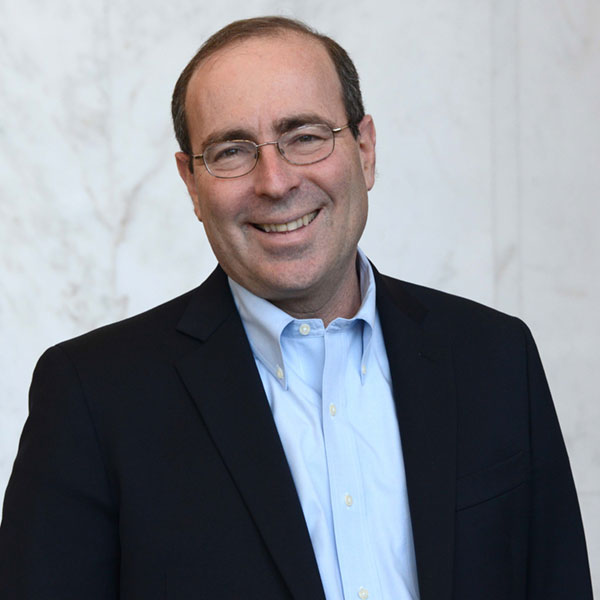
“When I started on the job and talked to my team, I asked where in our district are we winning and losing on maximum employment.”
– Tom Barkin, president and CEO, Federal Reserve Bank of Richmond
Rural America’s diverse economic landscape represents a critical component of the national economy – one that requires nuanced understanding, tailored approaches, and sustained engagement as an important part of the Fed’s work to support the US economy.
2026 Investing in Rural America Conference
We are pleased to share that Fed Communities is partnering with the Federal Reserve Bank of Richmond’s Center for Rural Economies to support the 2026 Investing in Rural America Conference, taking place September 30 – October 2 at the Omni Grove Park Inn in Asheville, NC.
This conference brings together rural practitioners, policymakers, researchers, funders, and Federal Reserve leaders to explore innovative, evidence-based strategies that strengthen rural economies.
Conference sessions will highlight several themes:
- Workforce pathways
- Economic development
- Small business development
- Financial inclusion
- Community investment
By attending, participants can engage with a broad national network, learn from cutting-edge research, and explore actionable strategies for fostering economic resilience and shared prosperity in rural communities.
The views expressed do not necessarily reflect the views of the Federal Reserve System or Fed Communities.