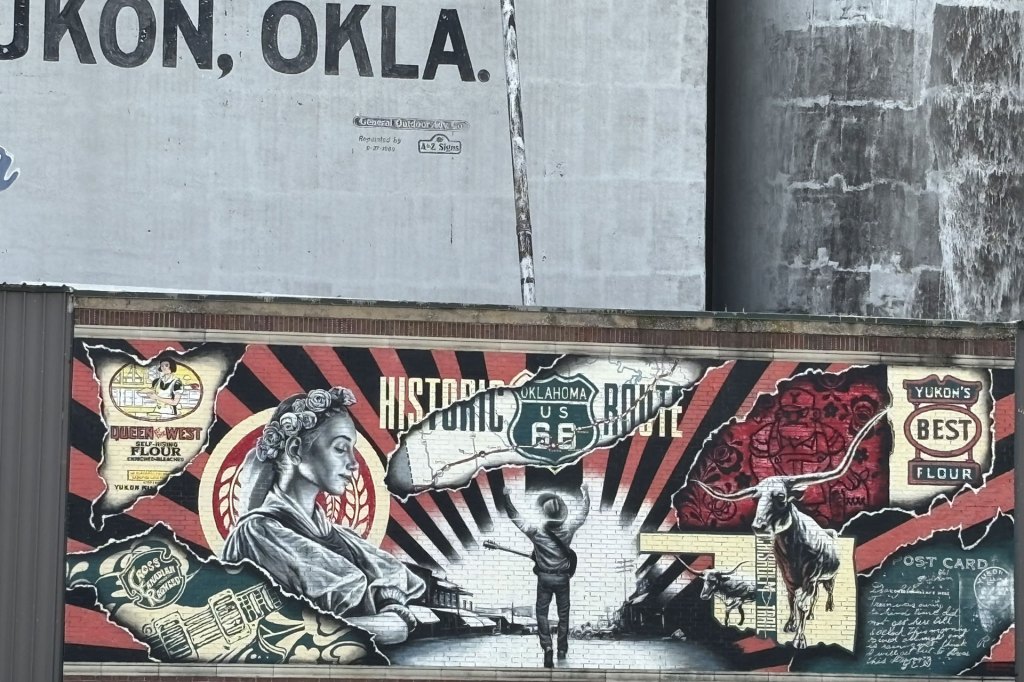
The mural on the Yukon’s Best Flour mill elevator on Route 66 in downtown Yukon, Oklahoma, celebrates the town’s milling history. Local artist Carlos Barboza painted the mural.
The best thing about traveling the back roads might be the sense of discovery. You’re tooling along through the countryside enjoying the view when a sign tells you to slow to 55 miles an hour, then 45, then 35. You’re coming to a town. You don’t know what you’re going to find. It feels like a gift waiting to be unwrapped.
People sometimes think of small towns and rural areas as being all the same. But each small town has its origin story, the history, people, and resources that give it its unique sense of place. When linked along a route—a byway—small towns use what makes them special to enchant visitors and boost prosperity.
The Federal Reserve Bank of Kansas City published “The Byways Report: The Scenic Route to Rural Prosperity” in February 2026 to help illustrate ways that some rural areas benefit from route-based tourism. The Kansas City Fed serves one of the Federal Reserve System’s most rural areas: its 10th District, which encompasses Colorado, Kansas, Nebraska, Oklahoma, Wyoming, northern New Mexico, and 43 counties in western Missouri.
The report complements other Kansas City Fed initiatives, such as the new Center for Agriculture and the Economy.
The catalyst: Route 66 Centennial
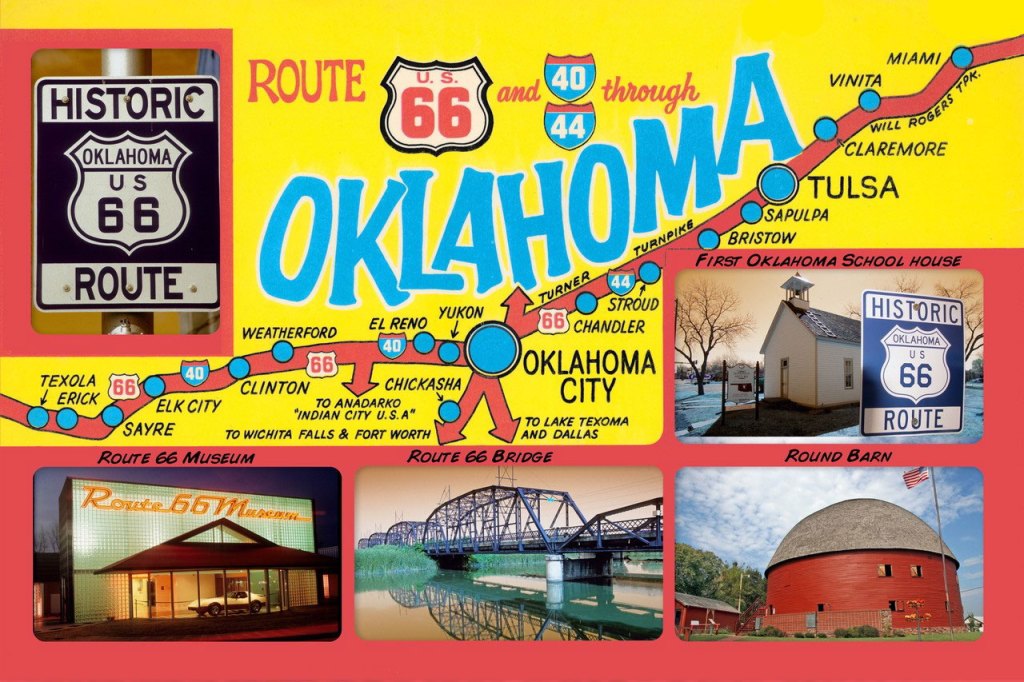
The catalyst for “The Byways Report” was the 100th anniversary of Route 66, the epic 2,448-mile road trip that crosses eight states from Chicago to Los Angeles. Four of those states—Missouri, Kansas, Oklahoma, and New Mexico—lie in the Fed’s 10th District.
Research for “The Byways Report” included interviews with national experts on rural development and byways tourism. The report also features interviews with people building businesses, preserving history, sharing their stories, and organizing communities along various byways, with a focus on Route 66 in Oklahoma.
The report shares ten themes from the interviews and links to technical resources for people who want to strengthen or start a byway. At the heart of the report are the stories of individuals celebrating where they live and, by doing so, improving their local economies.
Route-based tourism is an especially good fit for small towns
One national survey found that more than 75 percent of American adults intended to take a road trip in the summer of 2024. While 42 percent said they would drive less than 500 miles from home, about 33 percent said they would drive more than 500 miles away. Traveling along a byway offers a road trip punctuated by towns and other attractions along a planned route anywhere from dozens to thousands of miles.
This ongoing love of the road offers economic opportunity to small towns and rural areas.
Four reasons that byways tourism is especially well-suited to small towns:
- There are often miles between small towns, usually in the countryside, where the road beckons. They call them “scenic” byways for a reason.
- Towns can create their own byway based on their specific regional heritage and assets. Regions have created byways around themes from butterflies to bluegrass, barn quilts to fishing, Amish culture to the Underground Railroad, and more.
- No one town must carry all the weight. In fact, a byway works best when each town plays to its strengths. One town may have a renovated motel, another has a museum or hiking trail, another a brewery or local cuisine, and so on.
- The things a town does to entice visitors also make life better for residents. A byway can be the catalyst to improvements that help the town feel and be more prosperous.
The hidden treasures of small towns
The major surprise from interviews for “The Byways Report” was that, without prompting, almost everyone said residents first must appreciate what their town has to offer before trying to share it with visitors. That vision—or lack of it—may be the major roadblock. Byways experts and long-time residents repeatedly noted that for those who’ve lived in the same town for decades, it may be hard to see the things about it that might appeal to outsiders.
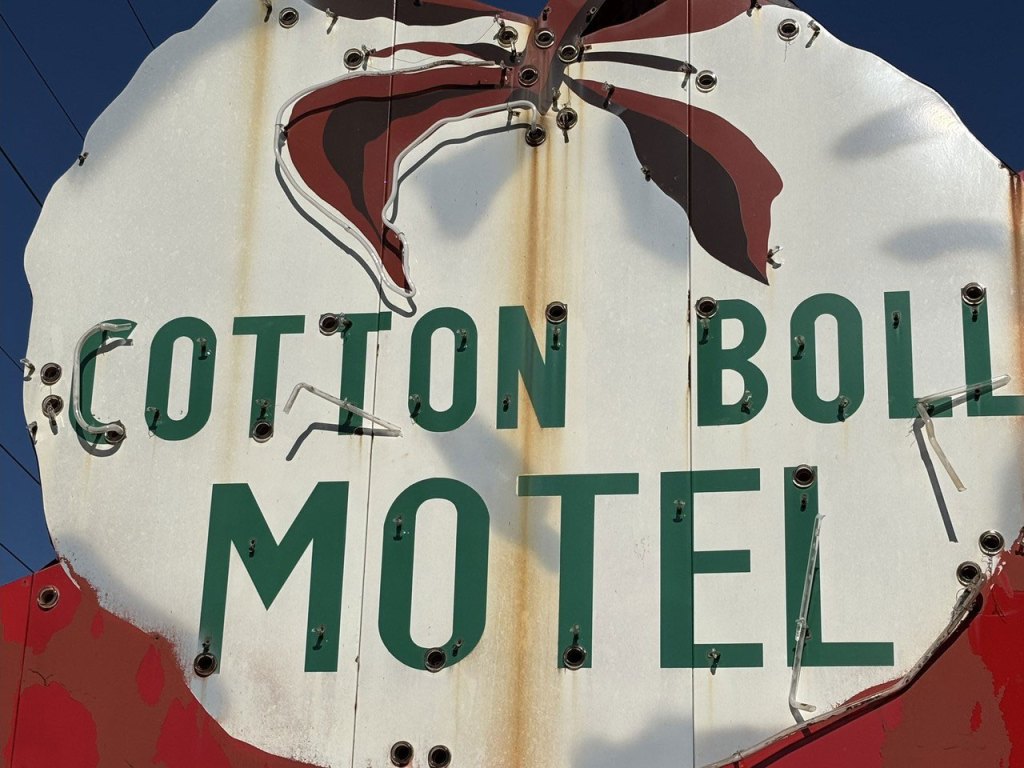
“Why in the world would anyone want to come here?”
Maree Forbes Gaughan has worked on, advised, or helped plan nearly 450 of America’s 1,100-plus byways. She is managing director of the National Travel Center and author of “Tourism: Economic Development for Any Size Community.” Having consulted with elected officials and economic development leaders around the country, she said, “I never again want to hear the statement, ‘Why in the world would anyone want to come here?’”
She shared a prime example. When the mining company left one Idaho town, long-time economic development leaders were adamant that the community offered nothing that would attract tourists.
Maree Forbes Gaughan, managing director of the National Travel Center
“They’re sitting at the edge of a gold-level dark-sky reserve with exceptional quality of starry nights,” Forbes Gaughan said. “They have a professional circuit rodeo. They have a national monument right down the road, plus 20 other outdoor recreational places and 10 of Idaho’s highest peaks.” The mayor, a new resident, encouraged a fresh look at the town’s potential.
The National Travel Center wanted to find a way to measure economic impact that could be used with any collection of byways. They consulted multiple studies of byways of different sizes. After removing the most heavily traveled byways, like the Blue Ridge Parkway, to avoid skewing the results, researchers found that a byway can feasibly generate between $250,000 and $450,000 per mile per year in visitor spending when the following criteria are met:
- The byway features heritage and cultural locations, which draw the highest per-visitor expenditure.
- It offers visitors plenty of places to visit and opportunities to spend money.
- It includes destination-distinctive accommodations and local cuisine.
- The byway is well-promoted.
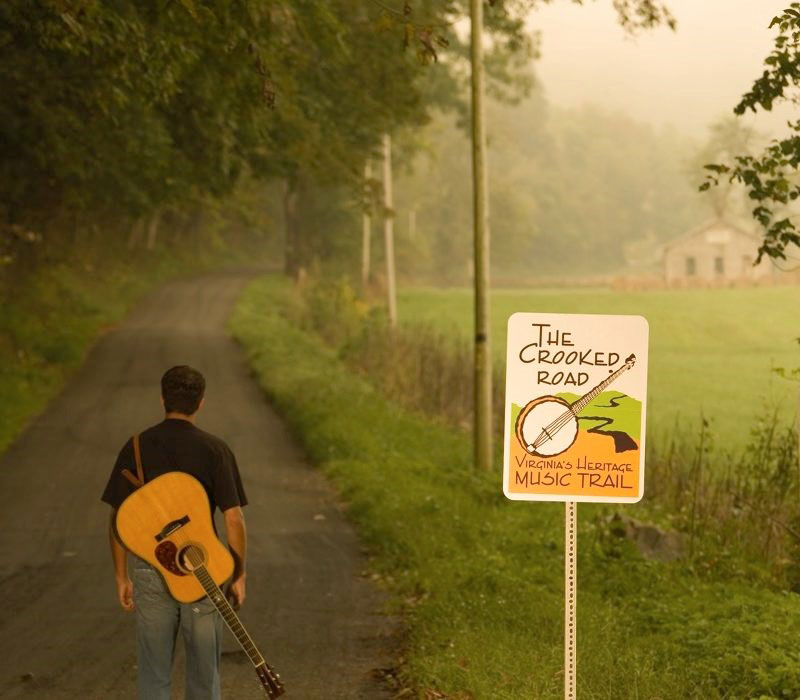
Celebrating musical heritage to help ease high unemployment
America’s Byways includes 184 nationally designated byways. States and regions also designate byways of their own. One example is the Crooked Road Music Trail.
In the 1990s, coalfield counties suffered some of Virginia’s highest unemployment. Economic survival depended on adjusting to the loss of mining jobs. One idea came from the Virginia Department of Housing and Community Development: What about a heritage music trail?
“Everybody said, well, yeah, we love that,” said Kevin Byrd, executive director of the New River Valley Regional Commission.
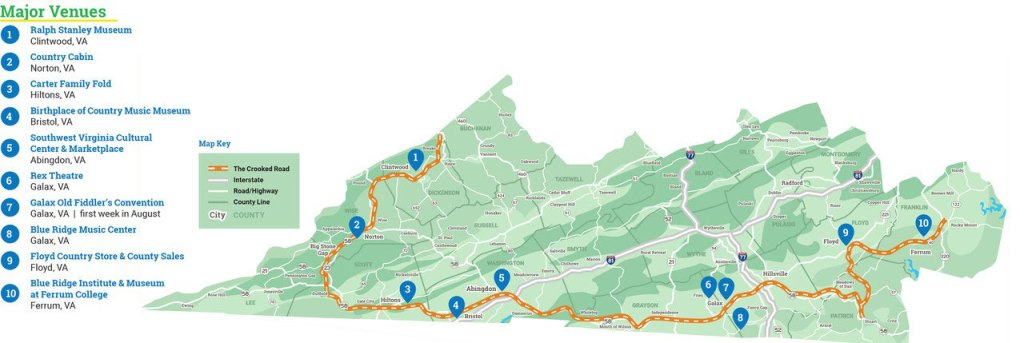
Southwest Virginia had significant heritage music venues, and old-time music was a source of local pride. But going from an idea to a 19-county, 333-mile economic driver required a lot of meetings, planning, and collaboration. The New River Valley Regional Commission is one of four regional development organizations that serve as conveners.
Kevin Byrd, executive director of the New River Valley Regional Commission
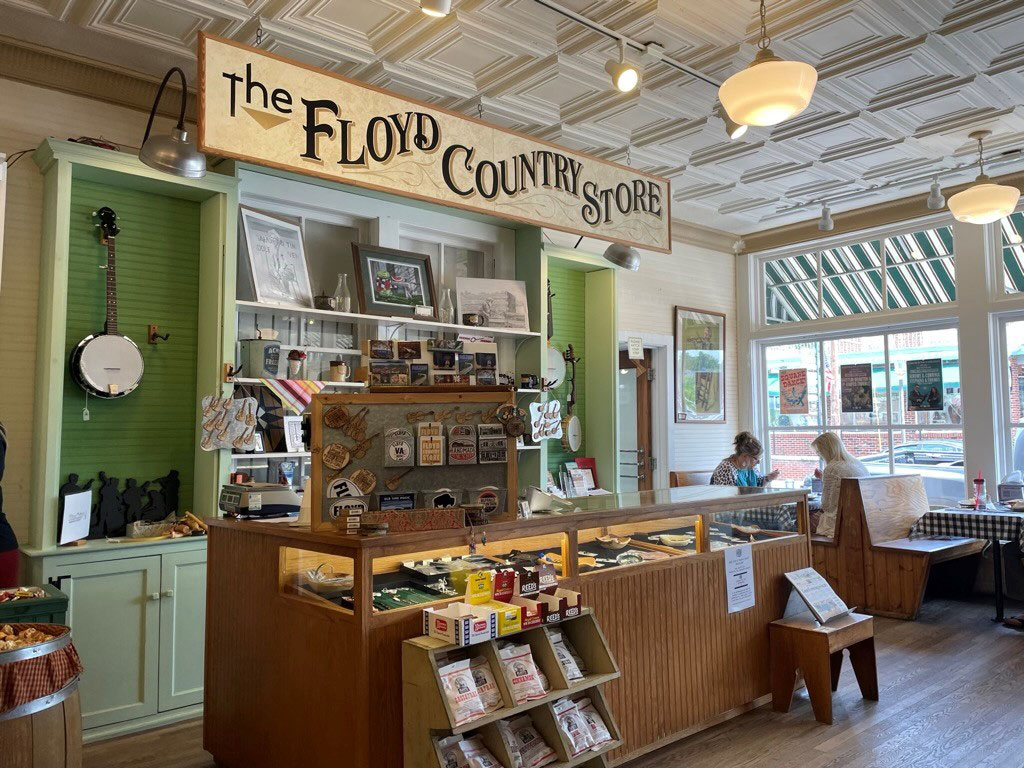
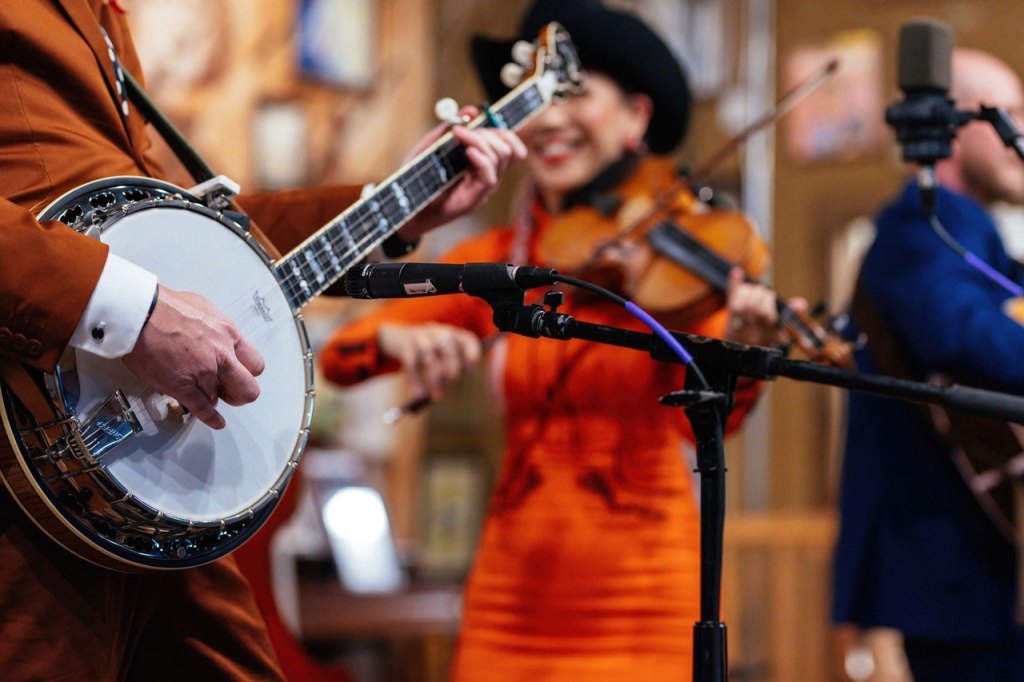
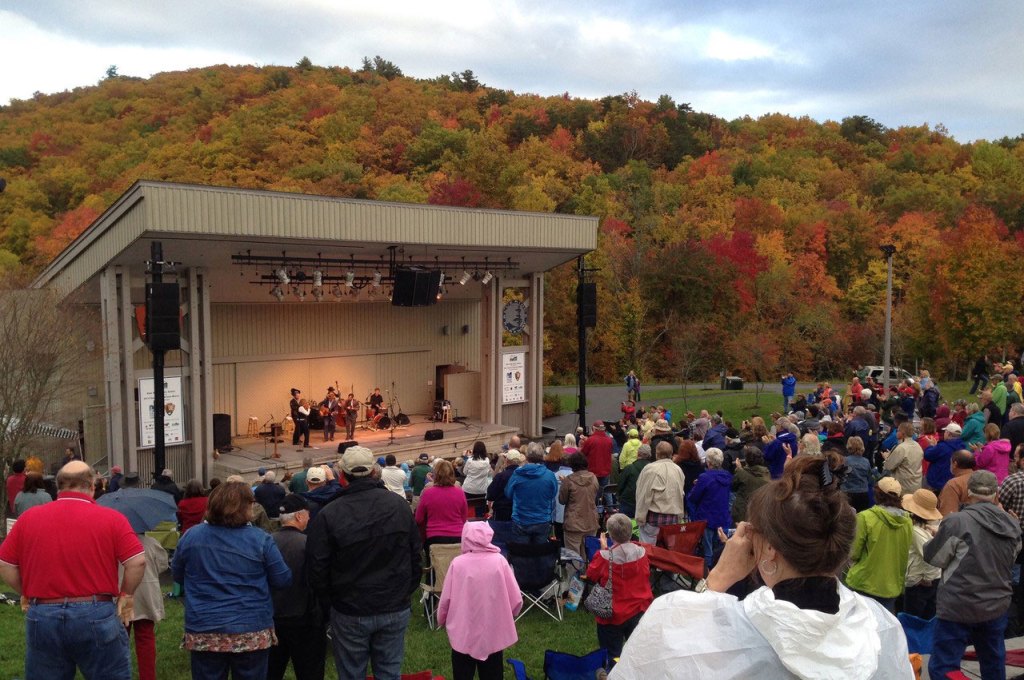
Today, the Crooked Road – Virginia’s Heritage Music Trail connects nine major venues and more than 60 affiliated venues and festivals. One of those is the Floyd Country Store, which hosts the weekly Jamboree.
“Every given Friday night, in a town of 500 people in a county of 16,000,” Byrd said, “you have people who are speaking foreign languages because they came to experience Appalachian culture.”
Investments in the creative economy appear to be paying off. Travel expenditures in Southwest Virginia rose from $648.9 million in 2004 to $1.3 billion in 2023. Local economies benefited from tourism-related tax revenues, which hit $62.9 million in 2023, and from the region’s 12,092 tourism-related jobs.
Route 66 draws U.S. and global tourists for the ultimate American road trip
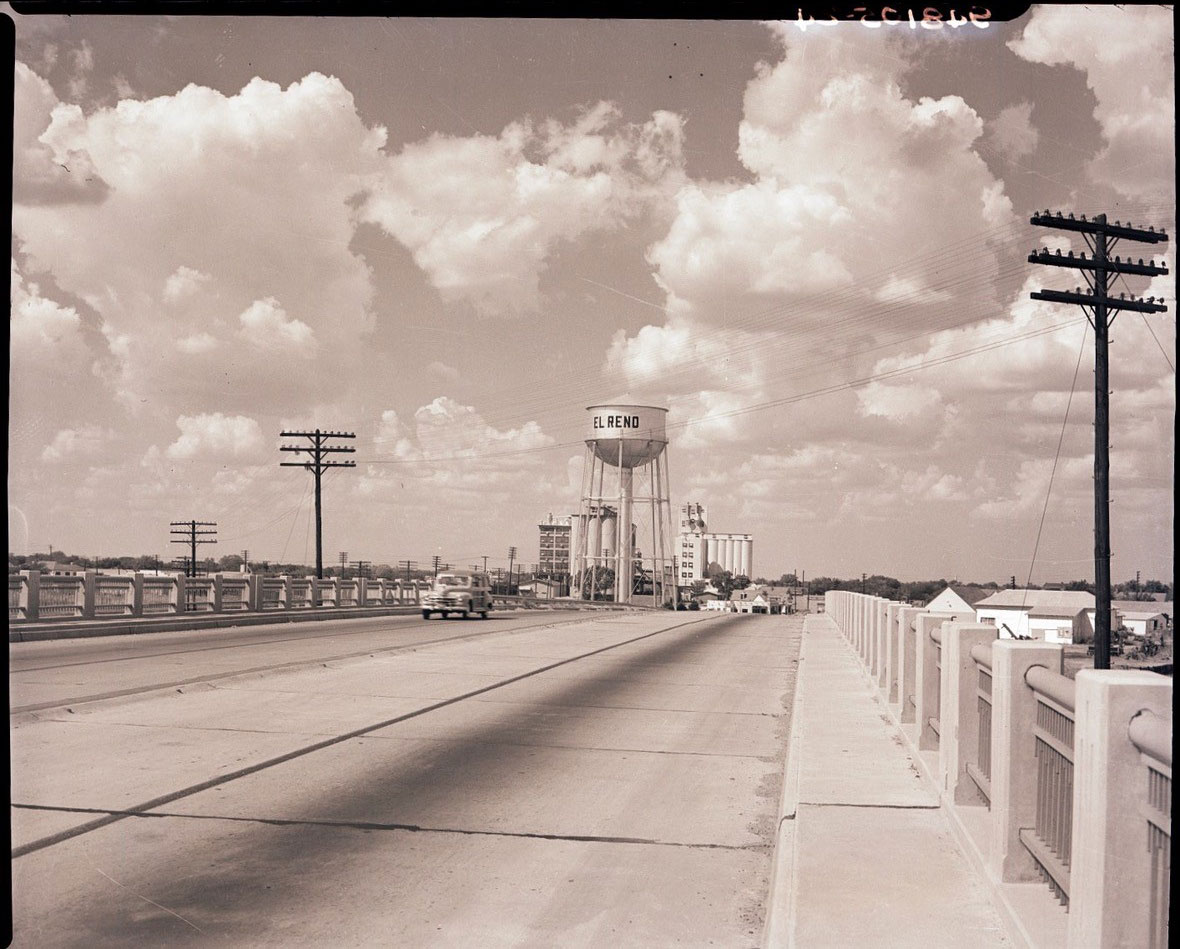
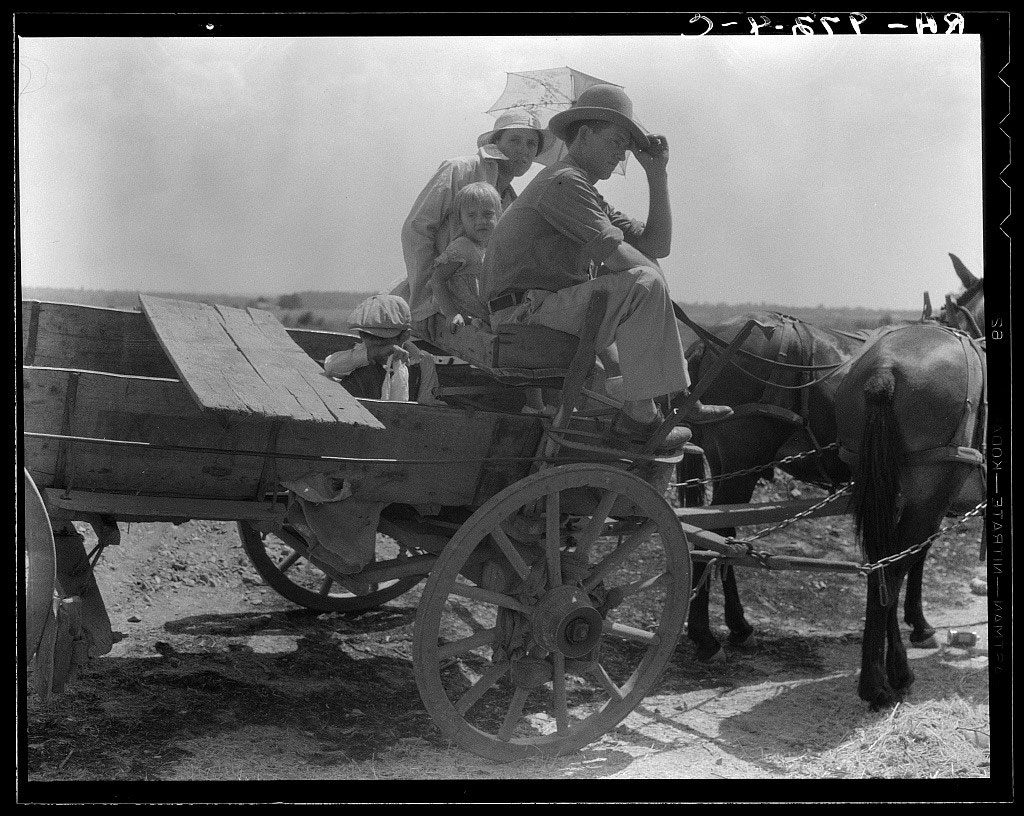
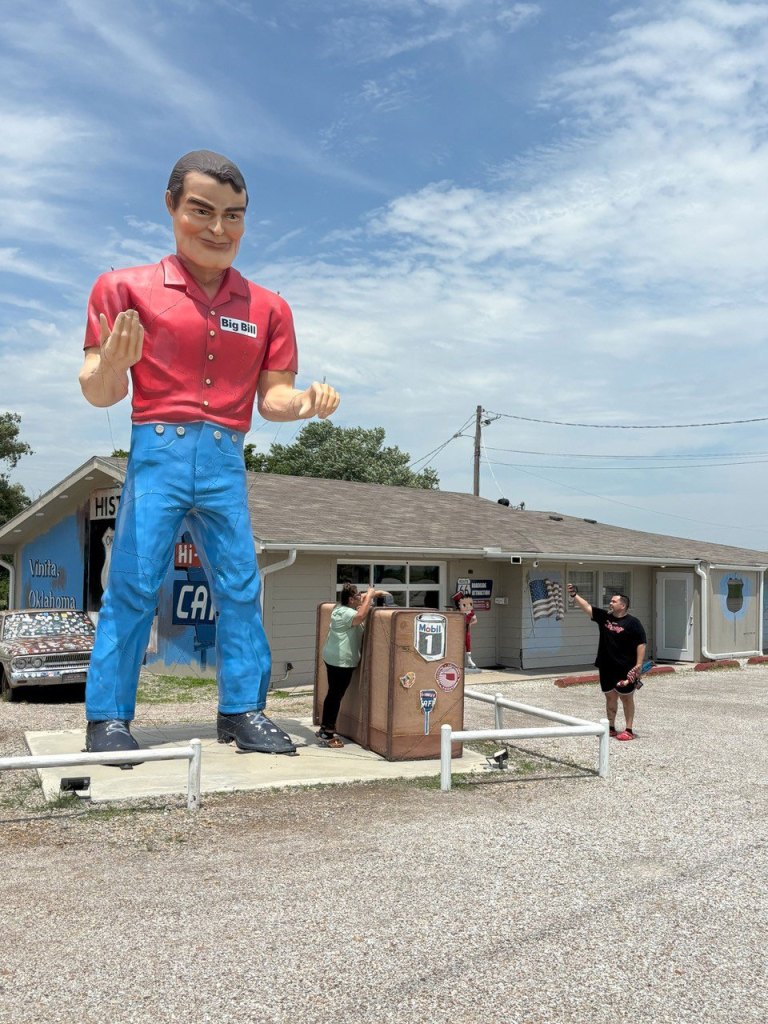
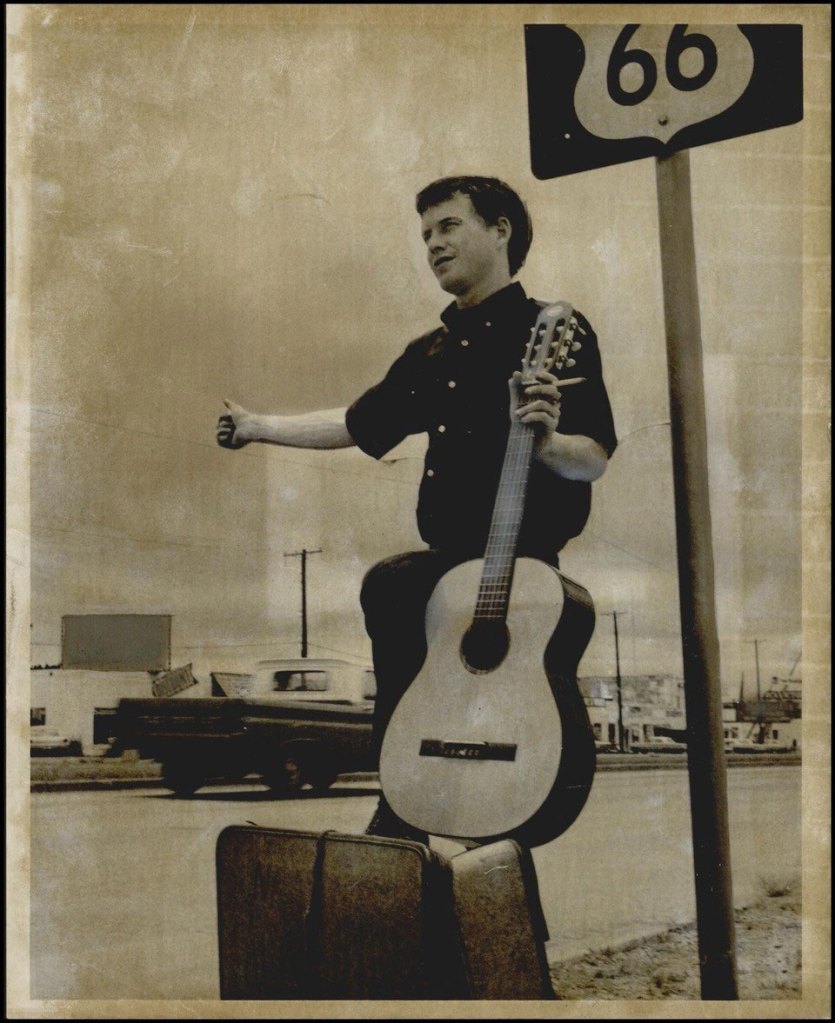
Billed as the “shortest, best, and most scenic route” from Chicago to Los Angeles, Route 66 was a shining ribbon of possibility during some of the most vivid decades in American history. It gave Dust Bowl refugees a path west, transported troops and materiel during World War II, and offered families post-war vacations filled with Muffler Men, milkshakes, and bright flashing neon.
Starting in 1956, though, the Federal Highway Administration began replacing Route 66 with interstates. By 1985, Route 66 was decommissioned and all signage removed.
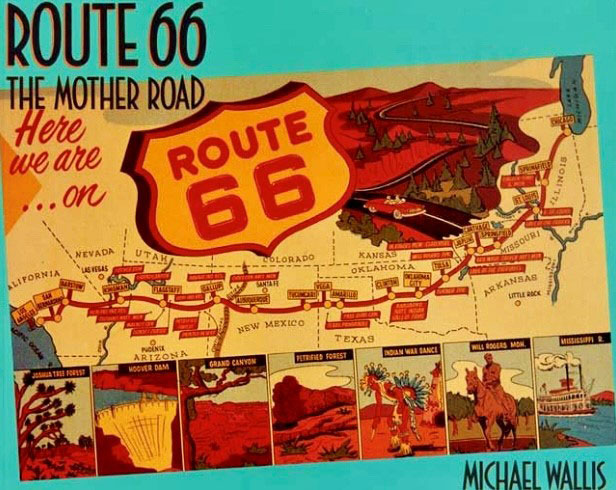
When Route 66 disappeared from the map, towns along the old road easily could have disappeared, too. Many survived due to committed residents; by 1990, most of the eight states had launched their own Route 66 associations. The same year, Michael Wallis published “Route 66: The Mother Road,” which drew travelers back and, famously, inspired the 2006 Pixar Animation Studios movie, “Cars.”
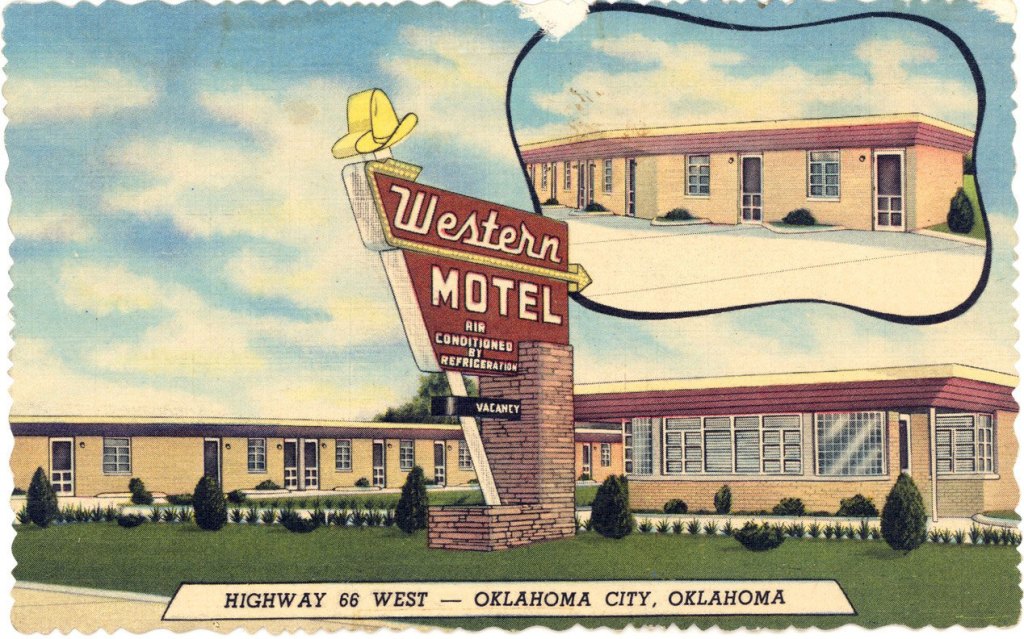
In a report released in 2011, Rutgers University researchers estimated annual expenditure by all Route 66 travelers in the U.S. totaled $38 million. Researchers considered that Great Recession-era estimate very conservative. Rutgers found that tourism was the most important or only economic engine for many towns along the route.
Today, Americans drive Route 66 in bits or in its entirety in weeks-long romps. They share the road with visitors from around the world, some of whom ship their motorcycles to Chicago and ride the route in packs.
Oklahoma has lessons for other states and byways
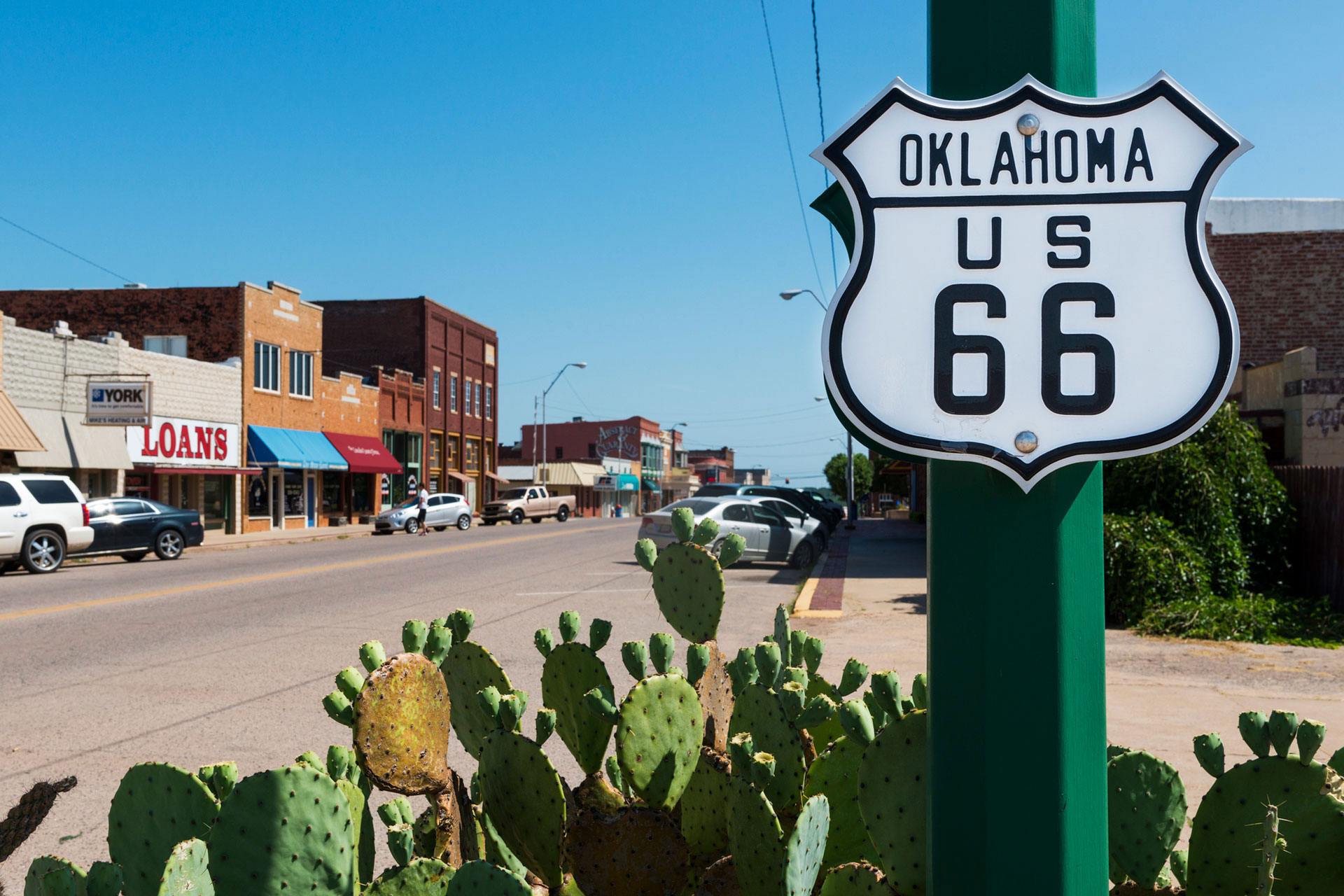
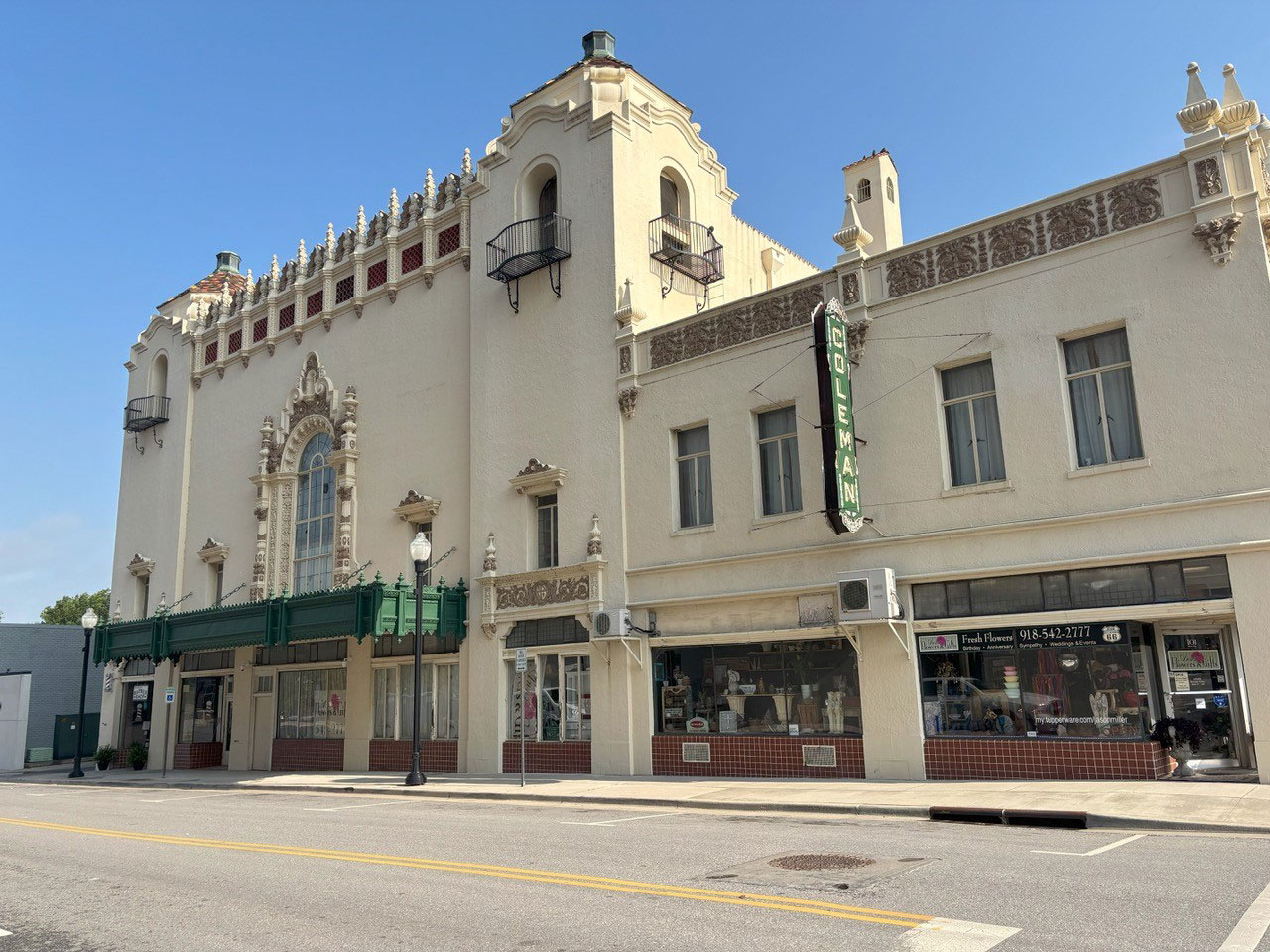
Oklahoma has distinguished itself at the state and local level in its efforts to build prosperity along its 432 miles of Route 66. National Geographic even included the Oklahoma stretch of the Mother Road among its 25 “Best of the World” destinations for 2026.
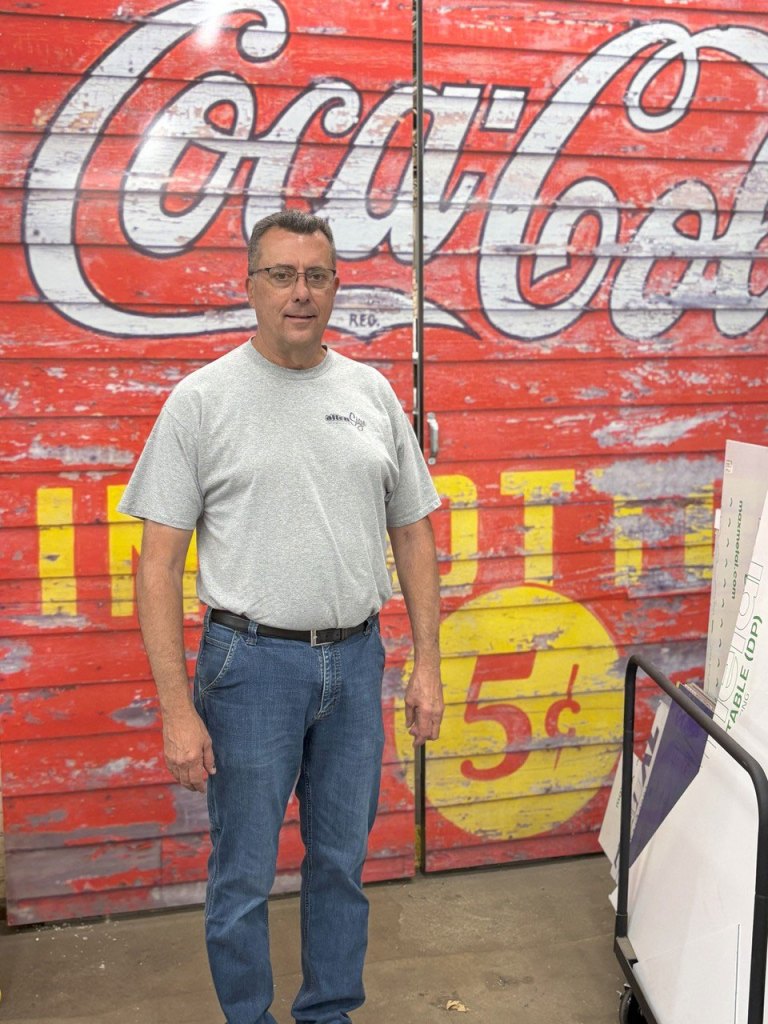
Colby Allen opened Allen Sign Studio in Miami, Oklahoma, in 1990. He cares for some of the most iconic neon signs on the eastern end of Route 66. Allen recently saw a video a young man posted online. The man was on South Main Street downtown and turned north onto Route 66.
“He was like, ‘oh man, look at that, oh wow!’” Allen said. “I drive those roads every day and I don’t say that, but he’s right. That is cool.”
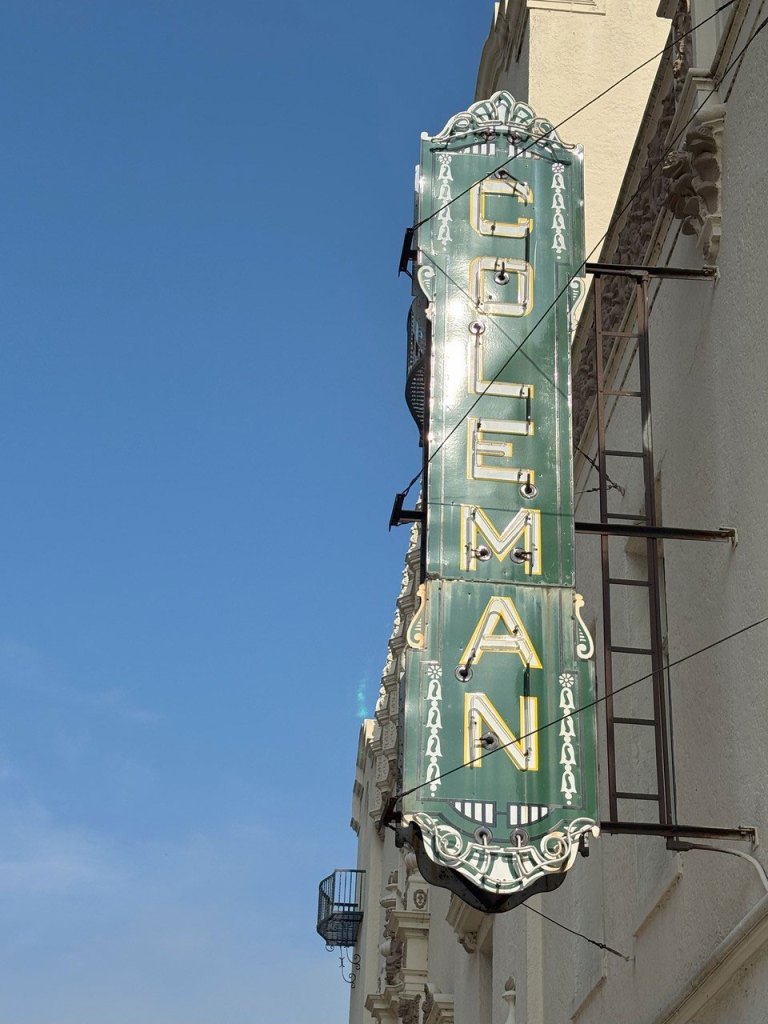
Allen noted that in 2024, Miami had 40,000 visitors, many from other countries. Nobody had to build a factory or schools or infrastructure to get them to visit, he said. “They just had to preserve what they already had.”
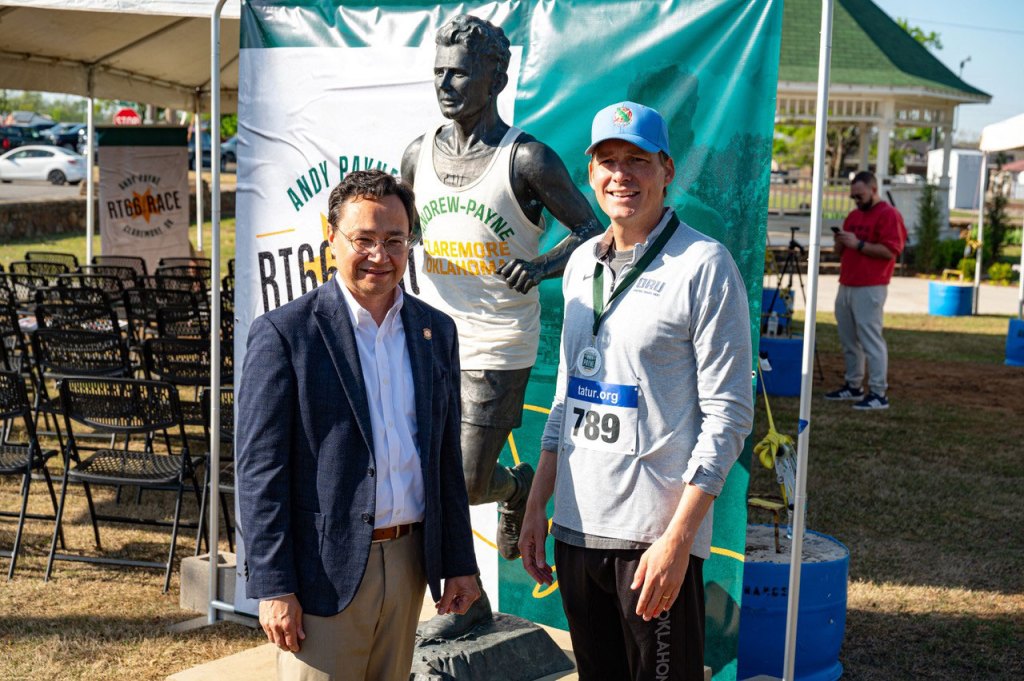
Younger residents of Clinton, Oklahoma, reinvigorate the town
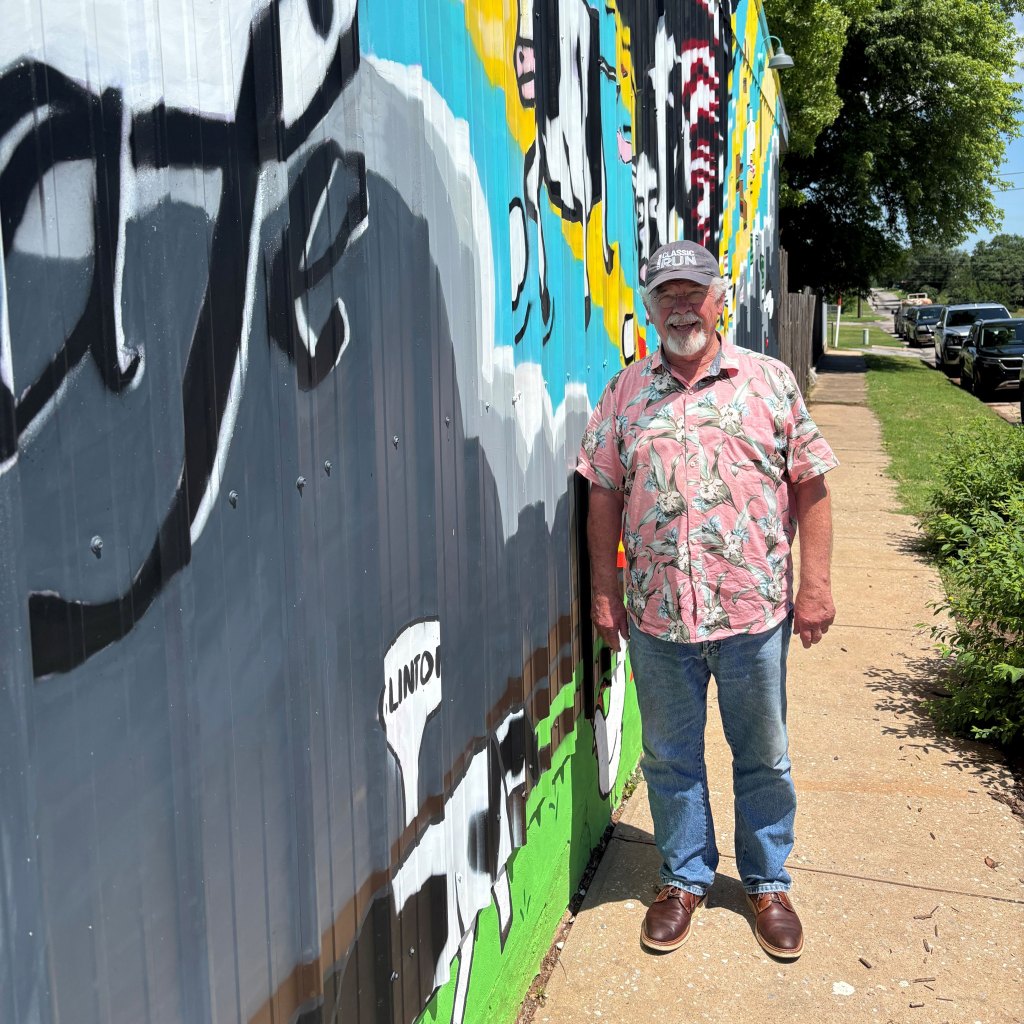
David Berrong, the mayor of Clinton, Oklahoma, arrived for a meeting at the Route 66 Café on a Saturday morning wearing a slightly damp pink shirt and a grey Clinton Classic Run gimme cap. The mayor had just presided over the Clinton Classic Run, a 5K race delayed by a thunderstorm. He has lived in Clinton for all but 10 of his 73 years.
“This was Dorsey’s Fruit Market when I was a kid,” Berrong said. Ten years ago, a couple bought the vacant building and turned it into a restaurant. They saw an opportunity. Berrong said locals could not imagine creating a remarkable future by revitalizing relics of the past, like their stretch of Route 66. They viewed Route 66 as nostalgia rather than a torch to pass.
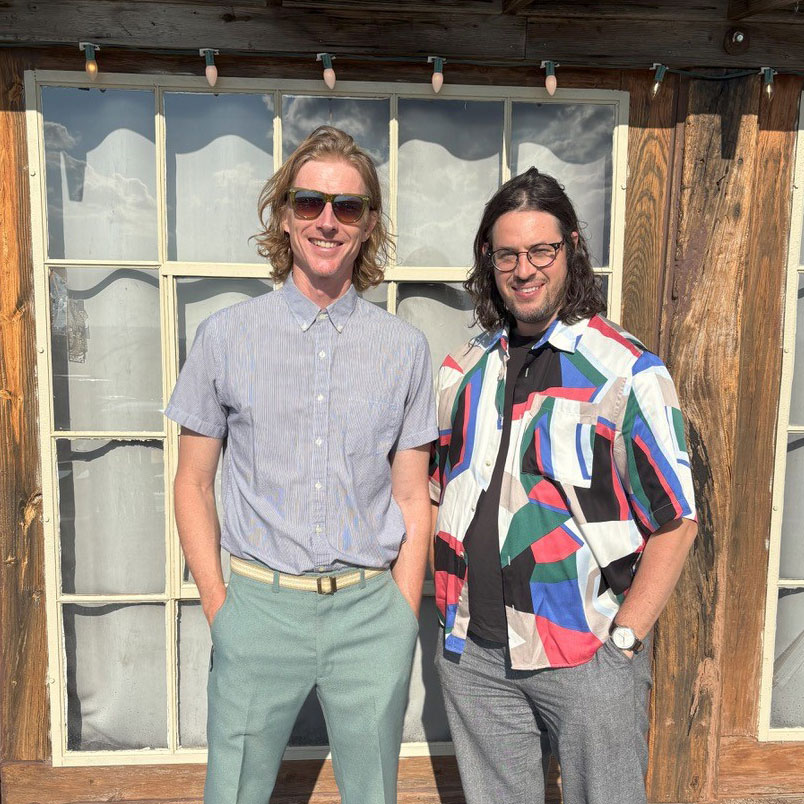
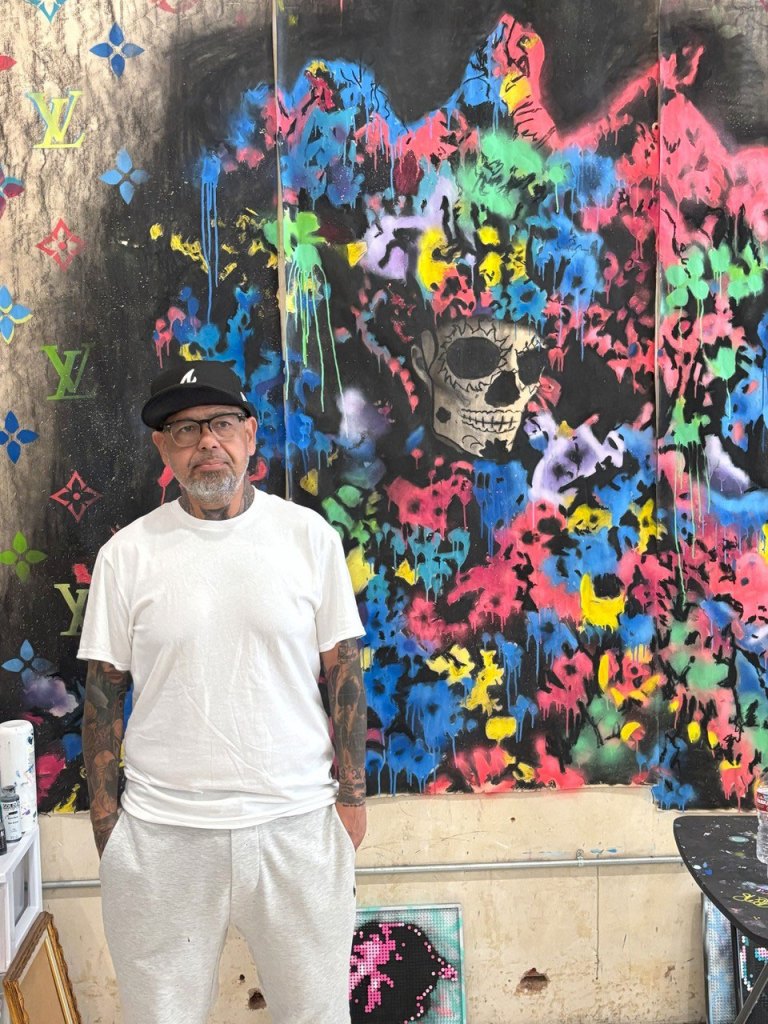
That may be changing, thanks to a group of volunteers in their 30s and 40s, members of the West OK Co-op.
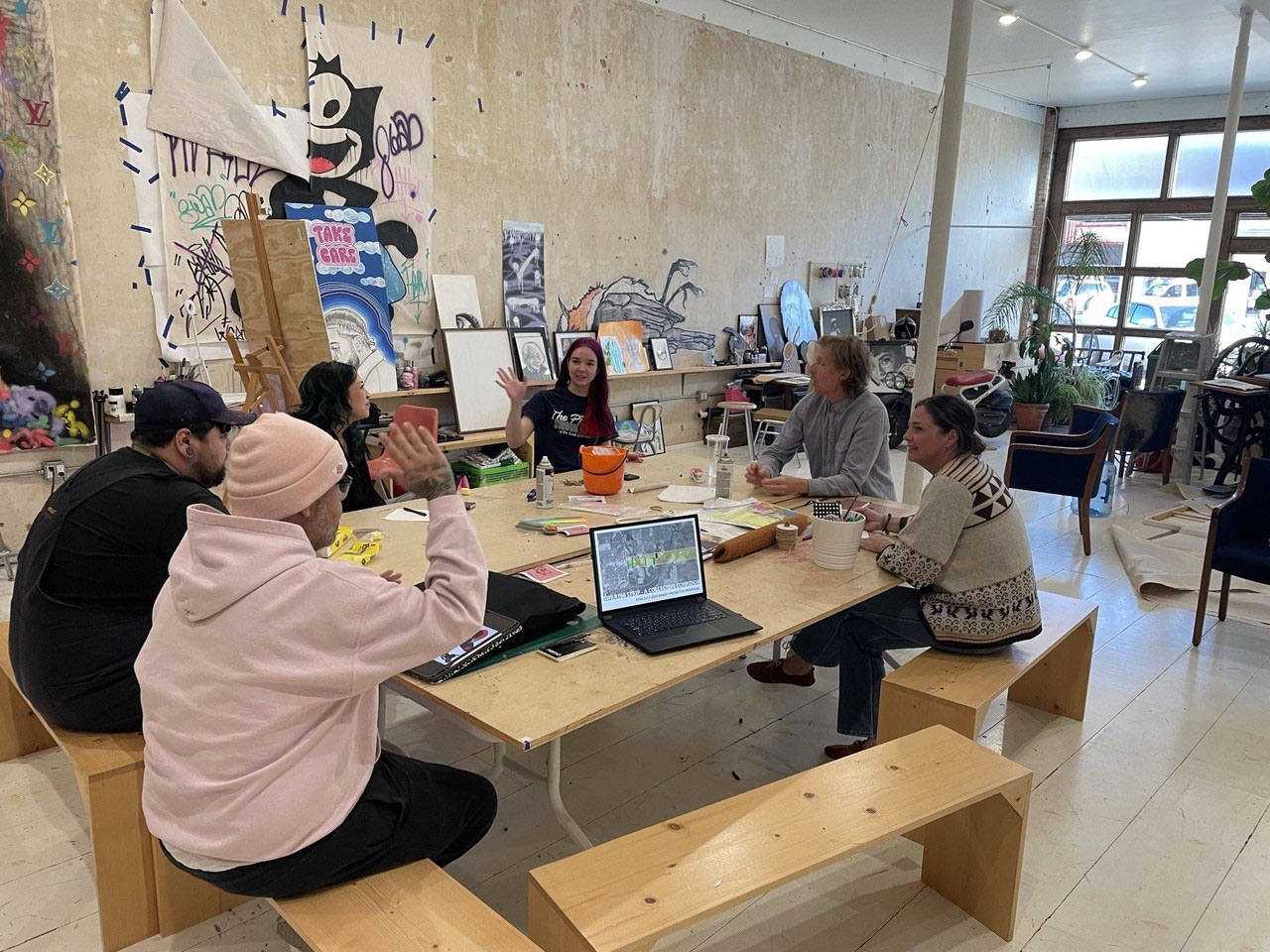
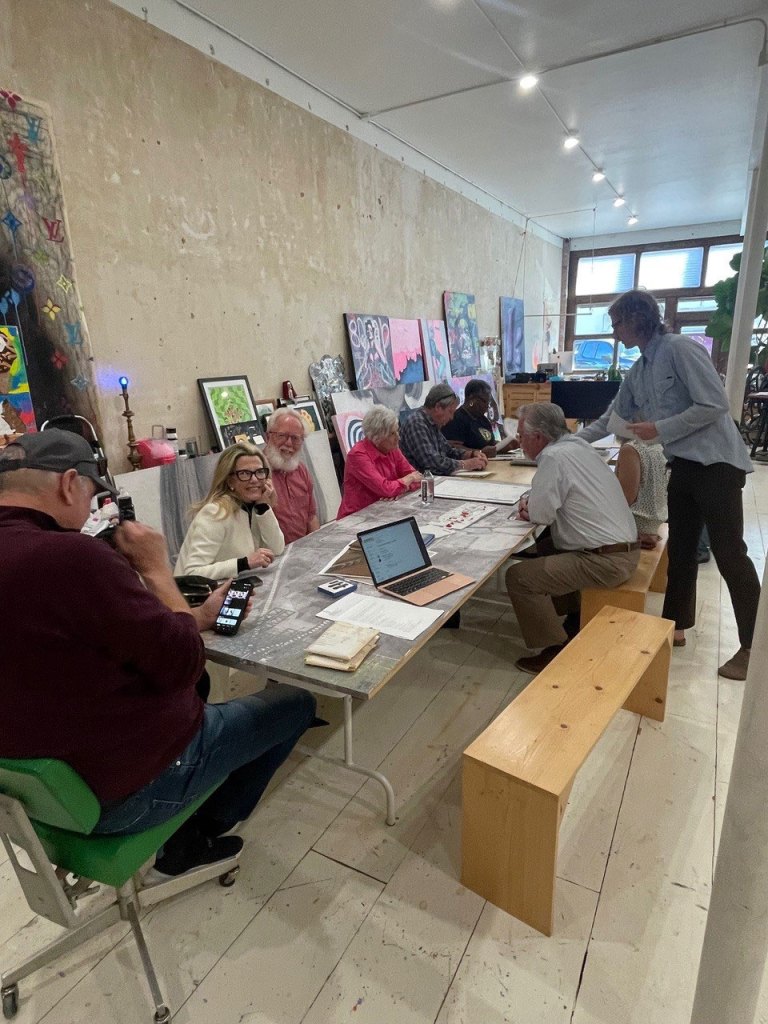
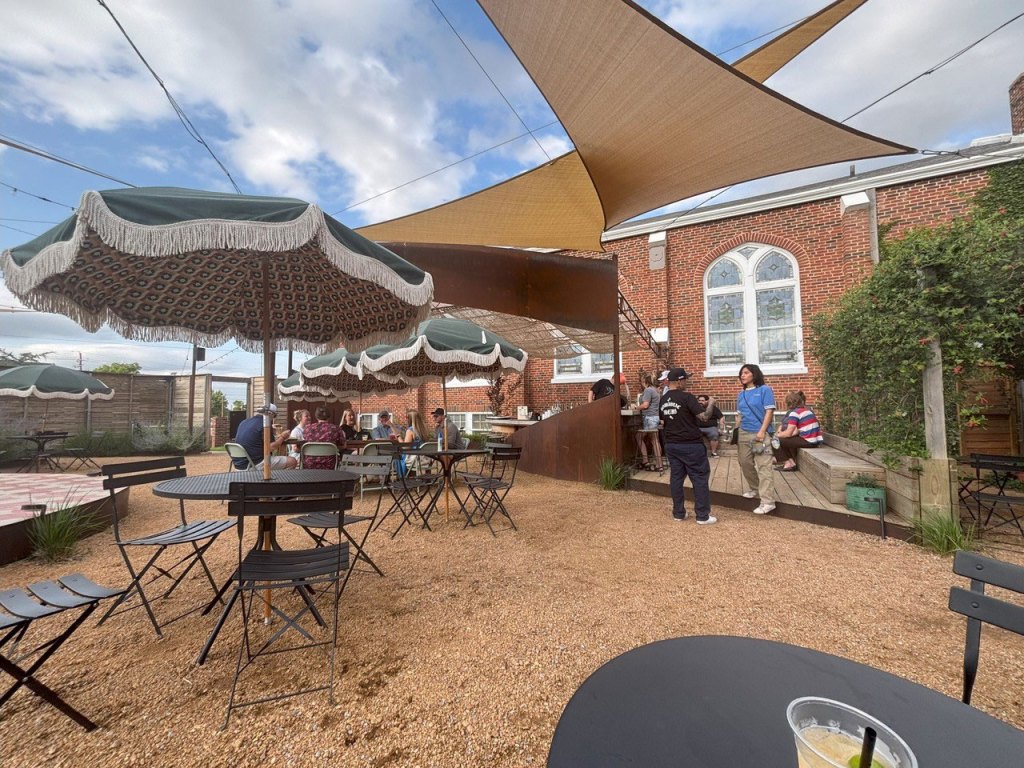
Jason and Meridith Smith moved to Clinton about 20 years ago. They saw opportunity in the old buildings downtown that were selling for $2 a square foot. Jason learned carpentry, bought and renovated his first old brick building, and moved the family in. Later, he and Meridith renovated another building downtown. They filled the first floor with an extensive mix of art supplies and painted “West OK Co-op” on the door. Over time, the space filled with creative types looking for a place to make art and build community.
One of those creative types was Andrew Stone, an architect who returned to Oklahoma from California during the pandemic. Stone grew up in the tiny town of Thomas, near Clinton, and is now a lecturer at the University of Oklahoma and the founder and principal of Ocra Projects. He serves as chief design officer for West OK Co-op.
Jason Smith said he and Stone share a commitment to drawing visitors onto historic Route 66 and into downtown Clinton. Stone said benefiting from a historic byway like Route 66 requires taking what some see as things lost to the past and showing how they can add value to the present.
Investments bring economic opportunity
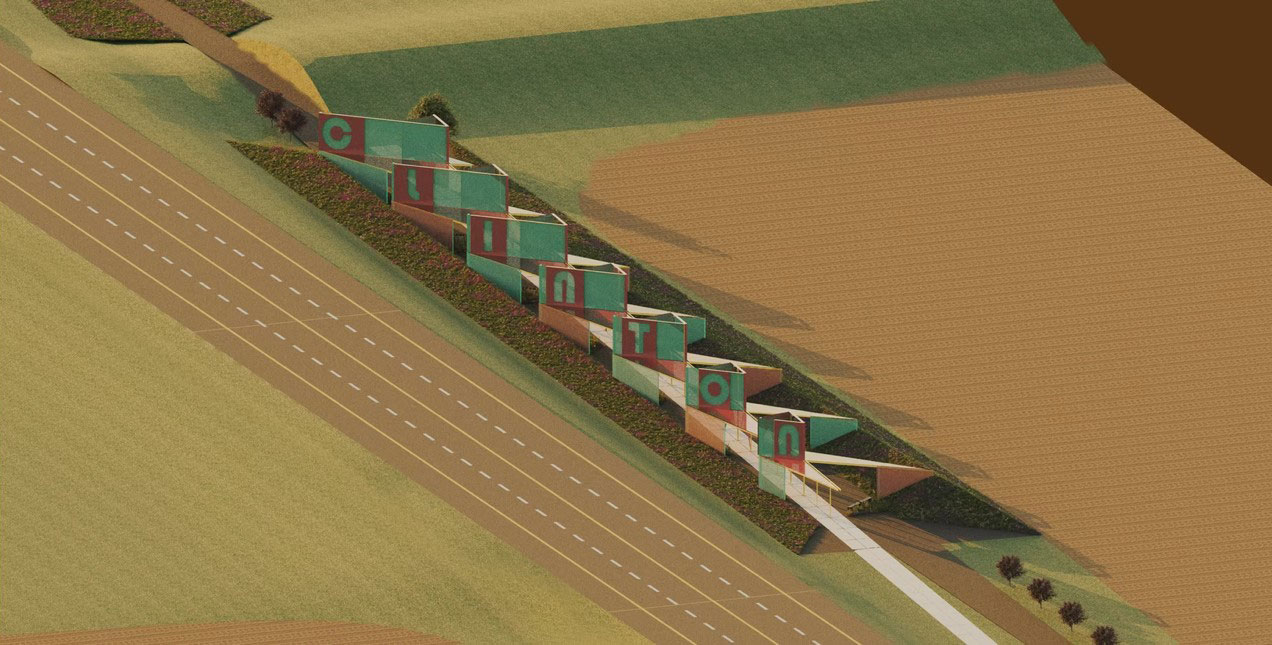
Stone and the West OK Co-op, with input from residents, developed two massive projects tied to the Route 66 Centennial. Both won funding from Oklahoma’s Route 66 Commission. Since 2023, the commission has awarded $6.6 million annually to revitalize and restore the byway.
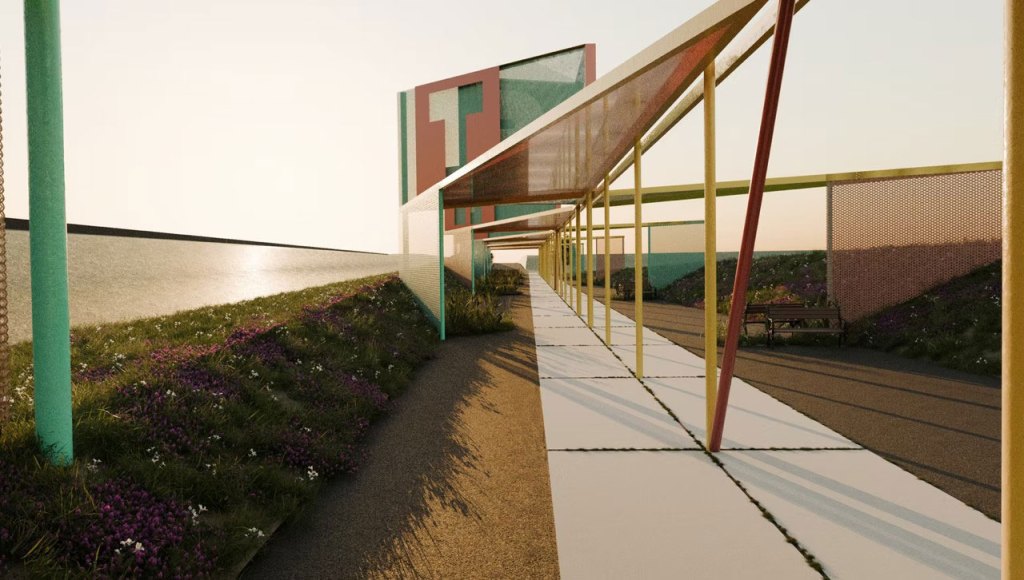
The Hub City Gateway project received $968,000. It will be built over a 400-foot stretch of the original 1926 road base with a huge double-sided sign to entice travelers into downtown Clinton.
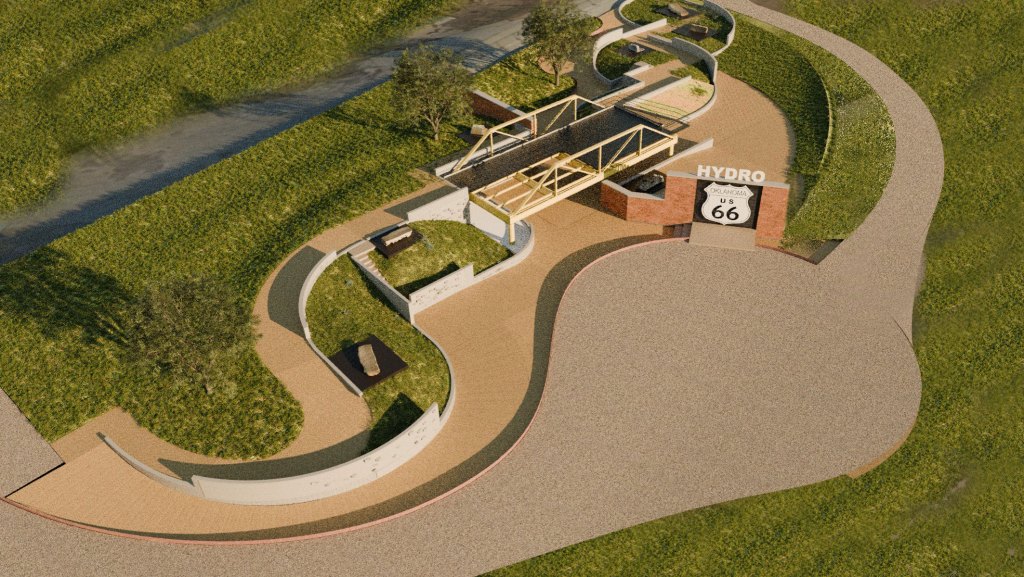
The town of Hydro won $496,000 for a park, created in partnership with the Hydro Chamber of Commerce and West OK Co-op. The co-op is responsible for relocating and restoring a 1930 truss bridge as a lookout and monument there.
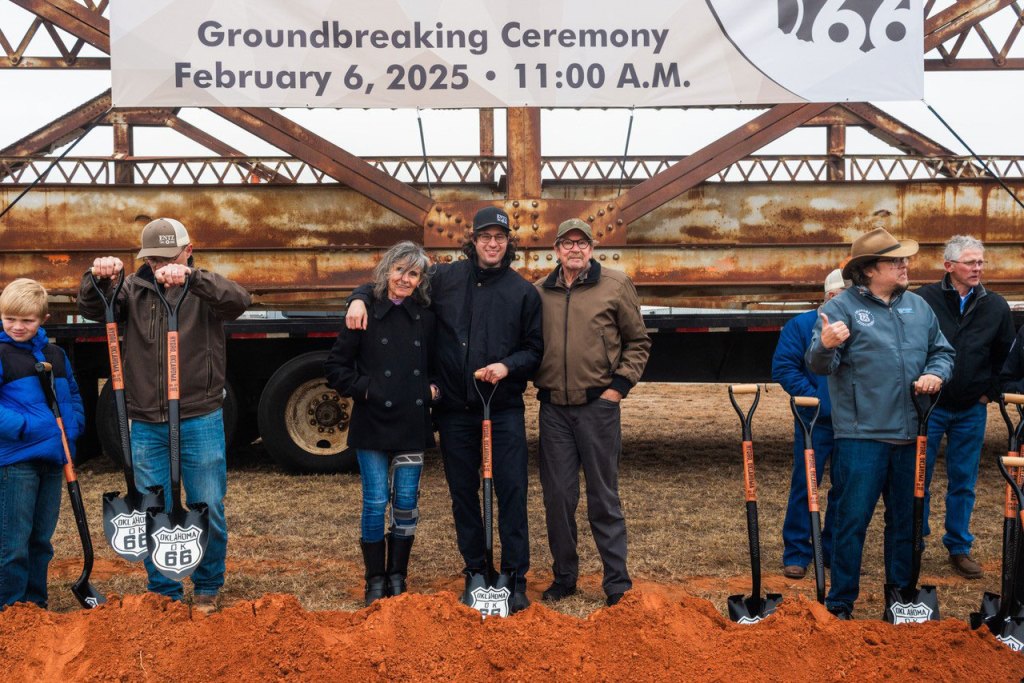
At first, some Clinton residents were skeptical. Could the West OK Co-op really bring its big ideas to fruition? But Berrong was a fan from the start.
“I’m a product of the 1960s and 1970s, the hippie generation,” Berrong said. “With the West OK Co-op, there’s a hippie look, but these are businesspeople. And they are practical. They’re not coming as a radical influence into an older community. There’s some wisdom there.”
Andrew Stone views architecture as a form of public service. Western Oklahoma is where he wants to serve.
“Rural towns are not synonymous with the past,” Stone said. “They deserve to be understood in a contemporary light. Their quality of life is just as precious as any other place, and visitors play a role.”
Stories in “The Byways Report” show how state officials, elected leaders, entrepreneurs, artisans, and passionate residents build prosperity by embracing what their small towns have to offer. No matter how small the town is, it is likely to be a treasured part of someone’s journey.