



Chicago Fed
-

Community perspectives and conditions from the Fed’s Beige Book, July 2026
Communities nationwide are dealing with higher costs, limited affordable housing, workforce shifts, and less funding for training. Some workers now value stability more than advancement, while employers focus on hiring candidates with strong soft skills and offer job training.
-

The Quarterly Catch-up, Q2 2026
Check out the latest community development-related research, analyses, and articles from all 12 Federal Reserve Banks and the Board of Governors. This post captures content published between April 1 and June 2026, on topics affecting communities.
-

Worker Perspectives: When every dollar counts: Inside the economic struggles of workers who earn low to moderate incomes
For many lower and moderate income workers and job seekers, survival is replacing economic mobility. This research explores how individuals navigate tight budgets and a challenging job market. Despite these obstacles, many spoke of their perseverance in the face of challenges and remained confident in their ability to navigate uncertainty.
-
2026 Worker Perspectives Report: When every dollar counts: Inside the economic struggles of workers who earn low to moderate incomes
The Worker Perspectives Report explores how workers are navigating rising costs, limited opportunities, and a challenging job market. To navigate these obstacles they are adapting finances and career plans, while also speaking hopefully about their personal ability to manage uncertainty. In their employment, they prioritize flexibility, work-life balance, and fair pay. Here’s what workers are…
-
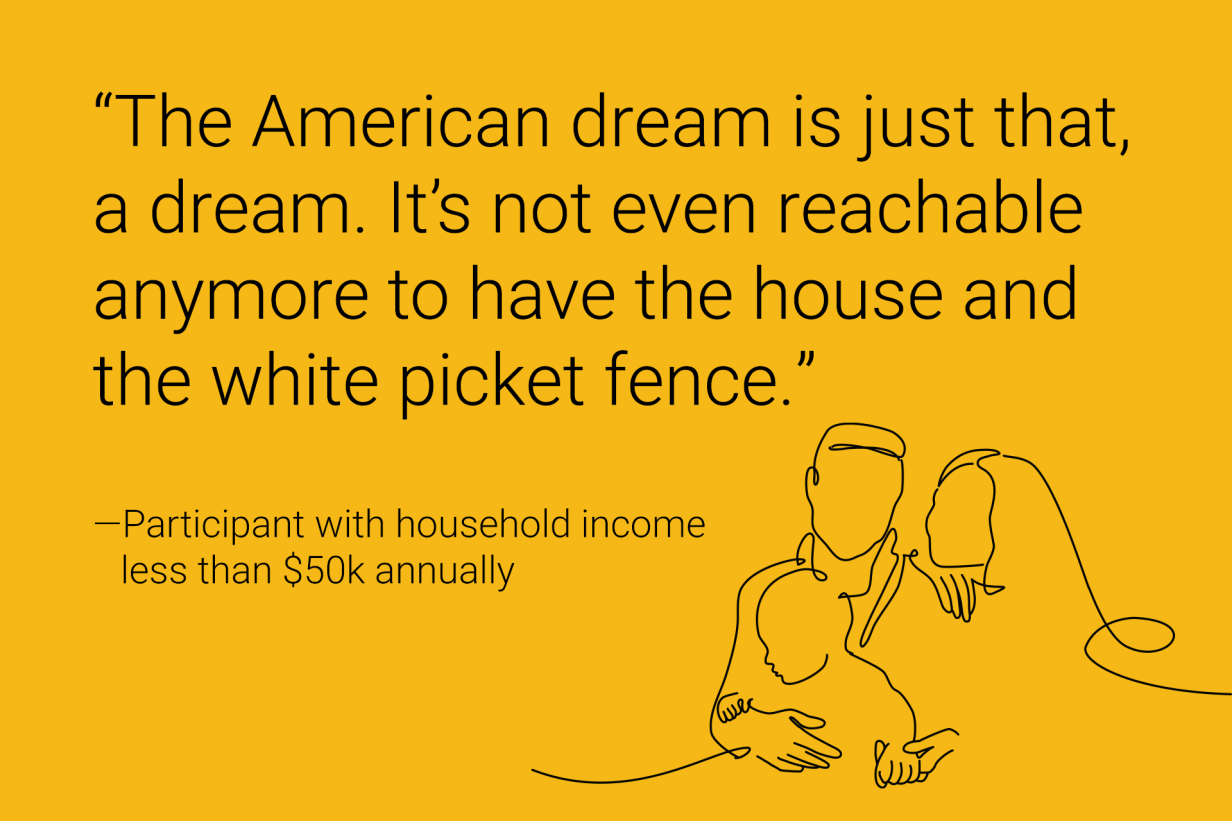
Worker Perspectives: Key Themes
The 2026 Worker Perspectives Report shows workers face financial instability from rising costs and inadequate wages. This instability limits their economic mobility. They struggle to find quality jobs amid new barriers, yet maintain personal confidence in their ability to persevere in the face of economic challenge despite low faith in the broader economy.
-
Community perspectives and conditions from the Fed’s Beige Book, May 2026
Rising fuel costs and slow wage growth are straining lower-income households. One contact noted that more workers are now requesting higher pay to meet basic needs. Nonprofit organizations continue to face funding shortages and higher operating costs.
-

Community perspectives and conditions from the Fed’s Beige Book, April 2026
Inflation is driving increases in the utilization of support services, spending on credit, and restructuring debt. As one contact noted, lower- and middle-income households “can’t out-budget low wages, tariffs, and inflation.”
-

How the Fed studies and understands housing’s key role in the economy
The cost and availability of housing affect family budgets, labor force mobility, business growth, and the health of the economy. Learn how the Fed studies and engages with communities around vital housing trends, challenges, and innovations.
-
Community perspectives and conditions from the Fed’s Beige Book, February 2026
Community contacts report that rising costs for food, housing, and energy have strained low- and moderate-income communities and nonprofits, while rural hospitals face financial risks. Stable employment for some helped ease economic anxiety, contacts noted. But vulnerable groups and small businesses remained stressed under increasing costs, according to observations for the February 2026 Beige Book.
-

Community perspectives and conditions from the Fed’s Beige Book, January 2026
Demand for social services is growing while rising costs continue to strain household, small business, and service provider budgets, according to January 2026 Beige Book observations.