“This is a way for Nebraska to be heard”: Coalition drives responses for—and representation in—the Fed’s Small Business Credit Survey
Two agencies supporting small business growth in Nebraska have teamed up to drive survey responses for the Federal Reserve’s annual Small Business Credit Survey. Their coalition efforts have yielded valuable insights into what small business owners in the state need—and helped bring their voices into policy discussions.
By
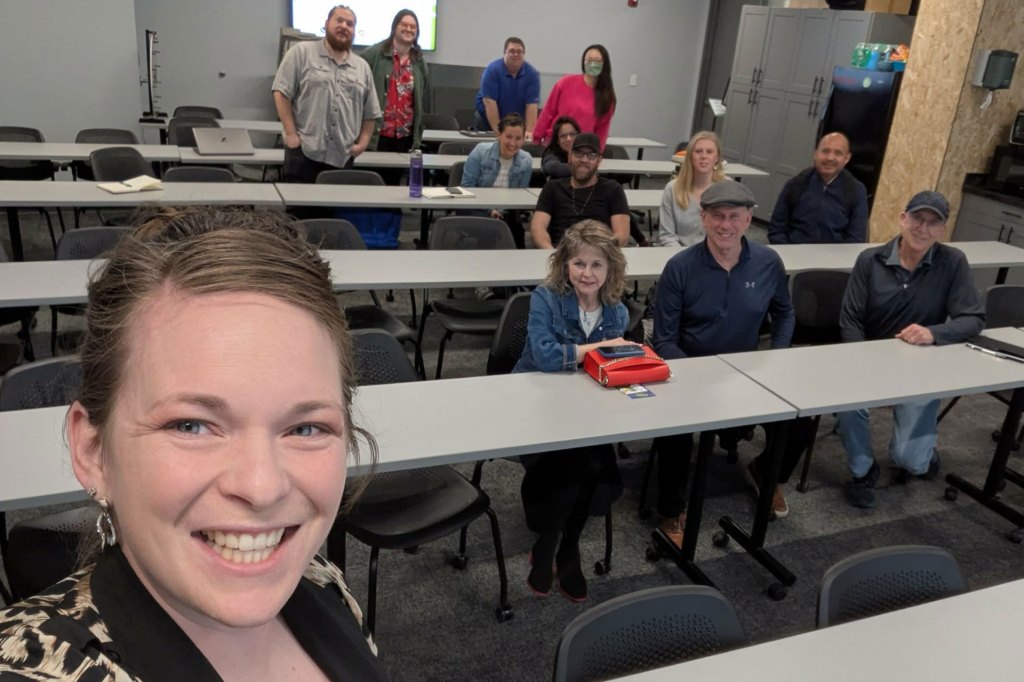
As executive director of Nebraska Enterprise Fund (NEF), Jim Reiff advocates for small businesses across the state and southwest Iowa.
“We help anyone who wants to start a business think through plans, determine how much money they’ll need, and understand how to make sure they’ll make more than they spend,” Reiff explained. “If, for example, they need help financing their business, we walk them through ways to connect them to capital providers like NEF or banks.”

“We help anyone who wants to start a business think through plans, determine how much money they’ll need, and understand how to make sure they’ll make more than they spend. If, for example, they need help financing their business, we walk them through ways to connect them to capital providers like NEF or banks. “
– Jim Reiff, executive director, Nebraska Enterprise Fund (NEF)
NEF provides client counseling, startup advice, and lending support to individual business owners, whose firms provide an array of products and services, including manufacturing, meat processing, restaurants, transportation, child care, and more. The agency also tailors programs for specific demographic groups—veterans, for instance—looking to start, maintain, and grow small businesses.
Reiff relies on the Federal Reserve’s Small Business Credit Survey (SBCS) to help him understand market conditions and challenges small businesses across the state are facing. The SBCS data and insights, he explained, help his organization more effectively meet financing gaps and provide training opportunities. “NEF and other CDFIs fill a gap,” he noted. “Some businesses are not yet ready for bank financing. We help get them there through lending options and access to technical assistance.”
Never miss a story.
What is the Small Business Credit Survey?
The SBCS is conducted annually by the Federal Reserve to capture the experiences of small businesses—defined as fewer than 500 employees—with credit access. The survey also asks questions about firms’ performance, growth expectations, workforce challenges, and issues affecting their industries, including natural disasters and AI.
To generate responses, the SBCS team recruits organizations across the US to serve as partners in distributing the survey to their respective members. Partner organizations that drive 50 or more responses receive a customized report with analysis of their respondents’ collective input.
The survey team publishes a number of outputs from the survey data, including a report on employer firms, trends over time, user-friendly chartbooks, and focused analyses by firm characteristics, such as geography, race, and gender.
Benefits of becoming a SBCS partner
The SBCS depends on distribution partners to field our annual survey. Survey distribution partners are organizations that collaborate with the Federal Reserve Banks to send out the survey to the businesses they work with.
- Receive a partner report if your organization recruits at least 50 small businesses to complete the survey. Partner reports (sample) detail the current state of small businesses in your network.
- Ensure the perspectives of the small businesses in your network are included in advocacy and policy discussions.
- Gain trusted data and insights to inform and customize client programming.
- Be recognized on FedSmallBusiness.org.
- The only cost for participation is your time to encourage small businesses to take the survey.
SBCS data from Nebraska businesses helps agencies prioritize offerings
Janell Anderson Ehrke leads GROW Nebraska, a nonprofit that supports entrepreneurs in the state through marketing assistance. It is the only nonprofit program in the state that supports small firms building a stronger digital footprint, which includes ensuring online searchability, having an e-commerce arm, forming partnerships with Amazon, and “being one click away from customers’ connecting with them.”
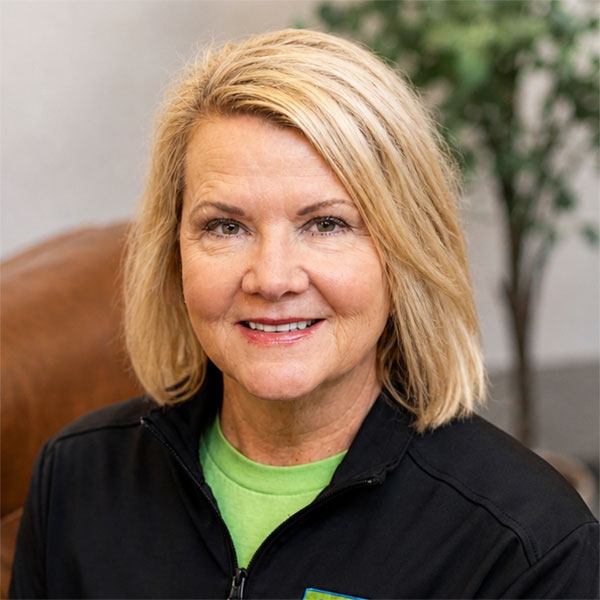
“The information in the Small Business Credit Survey is really valuable,” she stated. “It lets us know what our business owners are thinking. The survey solidifies when things are an issue, that this is what small businesses we serve are feeling.“
– Janell Anderson Ehrke, founder and CEO, GROW Nebraska
“The information in the Small Business Credit Survey is really valuable,” she stated. “It lets us know what our business owners are thinking. The survey solidifies when things are an issue, that this is what small businesses we serve are feeling.”
She cited an example of, having heard through other channels that sales were down or that businesses were having difficulty getting more credit, looking at SBCS data to determine whether that would confirm those concerns. “That validation led us to ramp up our efforts to support small firms’ growth efforts,” she said.
Value on multiple fronts
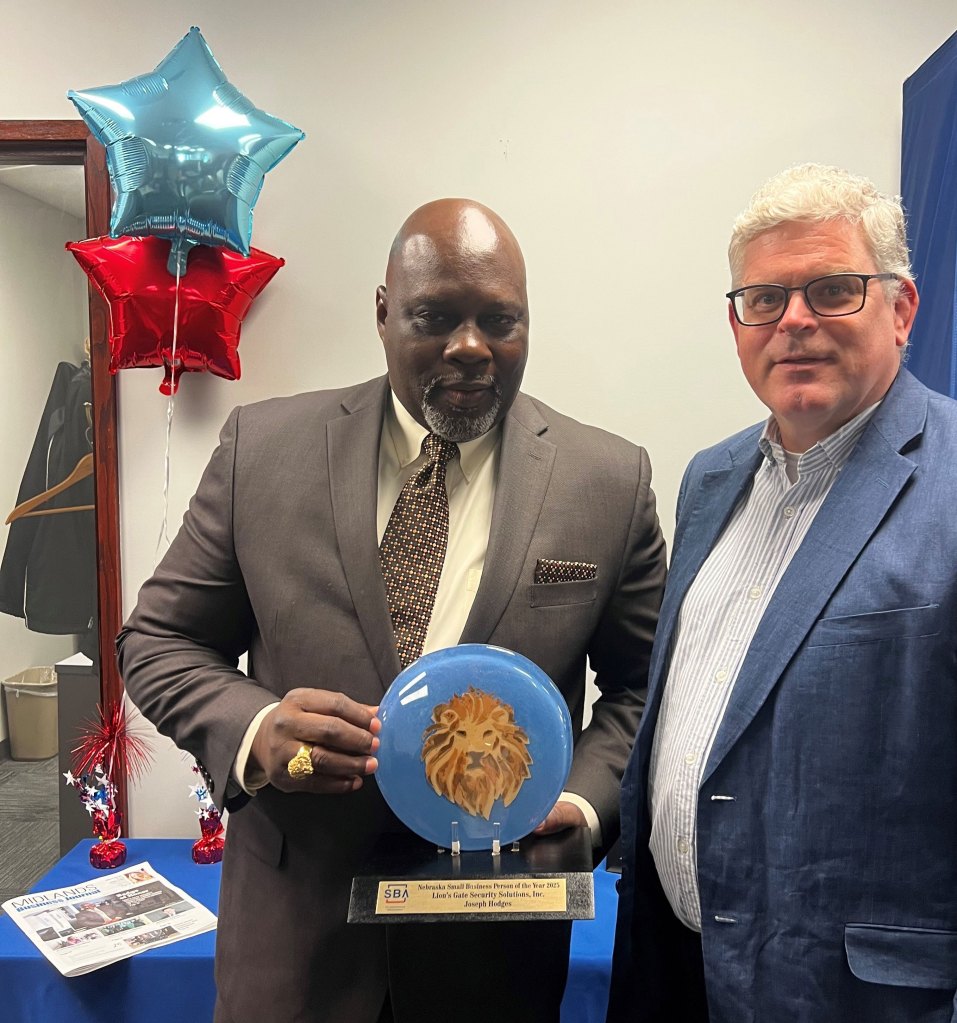
Reiff and Anderson Ehrke, whose organizations serve as SBCS partners, see great value in this collaborative effort.
First, the survey delivers data and insights into the markets they serve.
“The results help us think about how we’re marketing, thinking about needs of the community, are we reaching into the LMI entrepreneur level,” Reiff explained. For NEF, the data help assess whether their lending products meet the true needs of their clients or whether the agency needs to adapt terms and conditions—for instance, via longer terms, flexible collateral, or a competitive rate—to be more supportive of the entrepreneurs it serves.
While the SBCS team cannot partner with depository CDFIs due to their being regulated financial institutions, it does partner with nonprofit CDFIs like NEF that provide technical assistance in addition to lending.
Reiff uses the data in other ways, too, regularly sharing it with NEF board members and other community stakeholders, including grantors, state agency officials, and local banks. “There’s an educational component to it,” he stated.
For Anderson Ehrke, the SBCS results on topics like challenges and growth expectations allow her agency to deliver targeted programming. “We’re not a microlender,” she said. “We use a lot of the SBCS data to discern what services we need to offer.”
Second, the SBCS data provide a foundation for discussions between NEF and other lenders, including commercial and community banks. Reiff uses state-specific findings he and Anderson Ehrke receive as coalition partners to identify common challenges facing small businesses in the region. “As a CDFI, we can fill some funding gaps that commercial banks typically don’t cover,” he noted, adding that “larger lenders are able to make loans we can’t.”
Working together, nonprofit lenders and commercial and community banks can provide greater capital access to the state’s small business sector. “The SBCS data are vital in helping us [lenders] get from competition to cooperation.”
Third, the SBCS ensures Nebraska’s business owners have a voice. Reiff knows firsthand that Federal Reserve policymakers rely on the survey to inform FOMC discussions; he served as a member of the Kansas City Fed’s Community Advisory Council for several years and has participated in numerous roundtables convened by the Fed. “I tell my clients, ‘These policymakers want to hear about your experiences,’” he said.
Anderson Ehrke seconded that sentiment. “If business owners want [to inform] policy change,” she said, “they need to weigh in on the survey.”
Connecting with other agencies
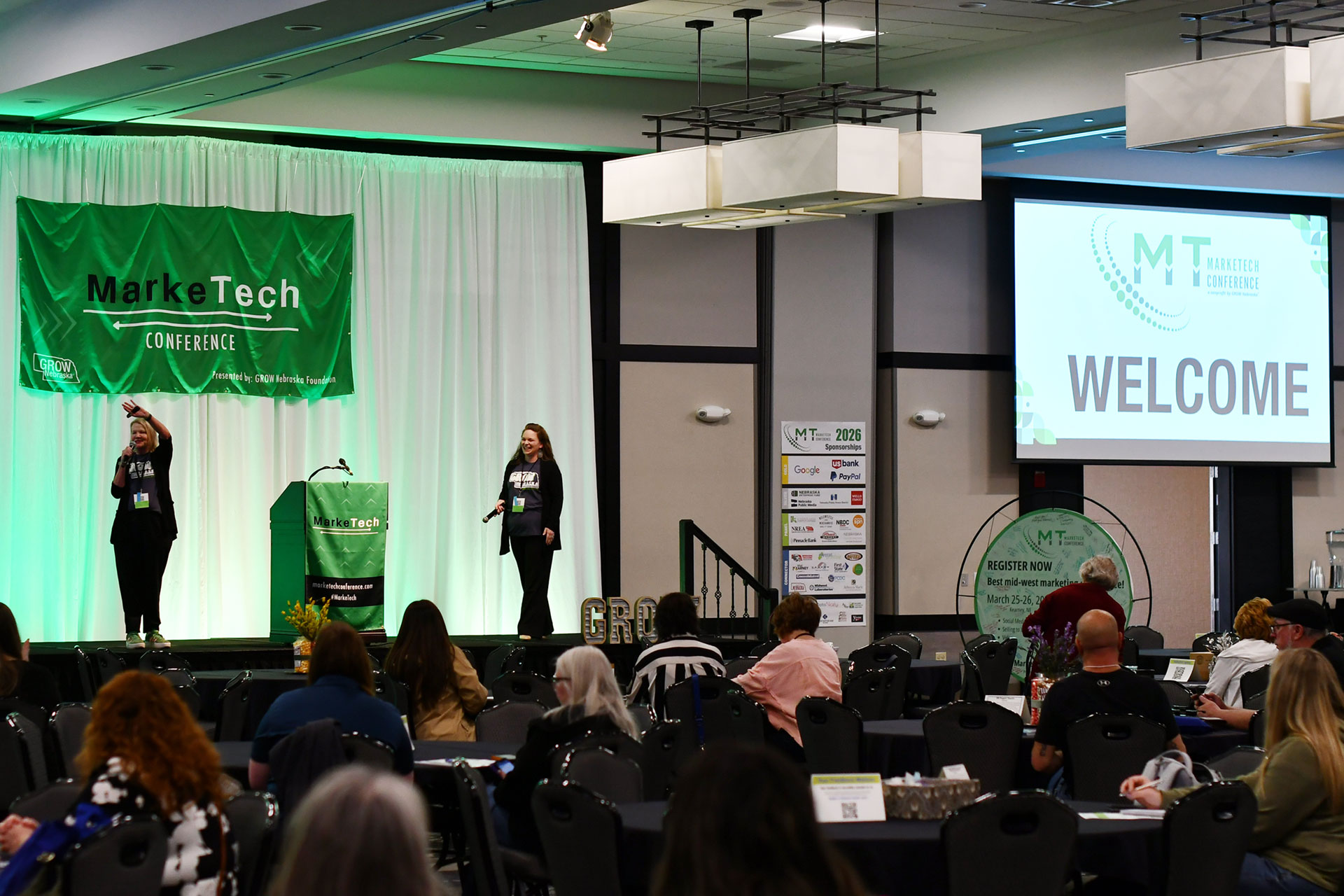
Anderson Ehrke credits Reiff with driving their coalition effort to secure more responses from their clients.
“Jim has been adamant that we get enough survey responses from our Nebraska businesses,” Anderson Ehrke explained. In 2025, their two agencies together drove 80 responses. “He helped my team understand the value of the survey. That helps us convey that value to small business owners.”
Getting enough responses to obtain meaningful data poses a challenge for many organizations. “People are sort of sick of surveys,” she added. The two statewide agencies’ joining forces for the SBCS has helped.

“The small business community benefits from ecosystem partners working collaboratively. Likewise, the SBCS depends on a large network of these organizations nationwide to get our survey to business owners. Partnerships like NEF and Grow Nebraska ensure these owners’ voices are represented and amplified.“
– Allison Clark, project manager, Small Business Credit Survey, Federal Reserve Bank of Cleveland
To encourage responses, the two employ slightly different strategies. Anderson Ehrke goes primarily digital, sending emails and posting to social media to extend the reach of GROW Nebraska’s ask. For Reiff, he’s found it most effective to convene in-person programs with a dual purpose: Attend this training and complete the SBCS during the session.
The SBCS, administered each fall, typically takes about 10 minutes to complete, says program manager Allison Clark from the Federal Reserve Bank of Cleveland. “The small business community benefits from ecosystem partners working collaboratively,” Clark noted. “Likewise, the SBCS depends on a large network of these organizations nationwide to get our survey to business owners. Partnerships like NEF and Grow Nebraska ensure these owners’ voices are represented and amplified.”
A team environment
Anderson Ehrke and Reiff credit their contacts at the Federal Reserve for supporting and encouraging their SBCS efforts. They laud the clear communications, follow-up, and tracking of survey response rates during the six- to eight-week period when the survey is in the field.
“They make it easy for us,” Reiff said. “It’s a real team environment, both through the Kansas City Fed’s Omaha branch as well as with the national team.”
2026 Chartbook on Nonemployer Firms: Findings from the 2025 Small Business Credit Survey with Trends over Time
This report analyzes the performance, challenges, and credit-seeking experiences of nonemployer firms across the United States.