



Investing Americas Workforce
-

Why don’t more out-of-work people receive unemployment insurance?
Unemployment insurance can help people transition in their careers and quickly re-enter the workforce. Yet many people who lose their jobs don’t receive this benefit. Recent Federal Reserve research sheds light on the barriers limiting UI access and recipiency.
-
![[Watch] Data, Analysis, and Strategies to Strengthen Your Community’s Workforce](https://fedcommunities.org/wp-content/uploads/2025/06/1920-x-1280-CC.jpg?w=1024)
[Watch] Data, Analysis, and Strategies to Strengthen Your Community’s Workforce
A strong, adaptive workforce is essential for community stability. In this Connecting Communities webinar experts shared insights on labor market trends and discussed actionable strategies to build and maintain a resilient workforce. Watch or listen on demand.
-

Fostering maximum employment: Why the Federal Reserve studies investments in America’s workforce
The Federal Reserve’s dual mandate includes promoting maximum employment. This article features examples of the various ways Fed research, outreach, and partnerships contribute to achieving this optimal state of the labor market.
-
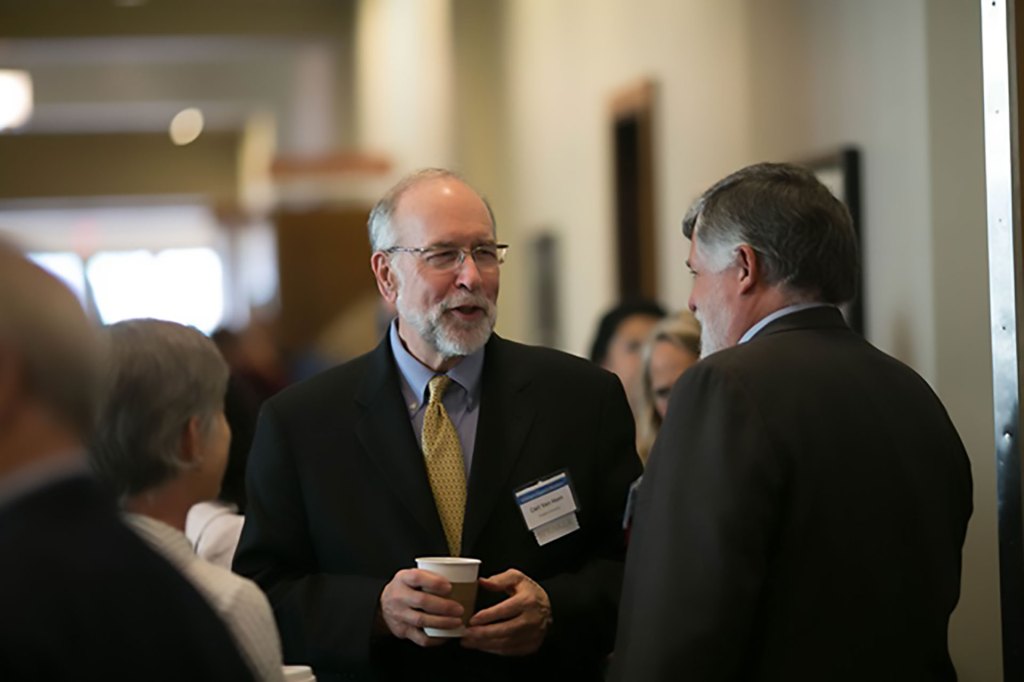
Rutger’s Heldrich Center uses data to help bolster workforce initiatives
The John J. Heldrich Center for Workforce Development provides research expertise and analysis to organizations, including the Fed, to help improve education, training, and workforce development programs that affect employers and employees.
-

Workforce as an investment: Philadelphia Fed Patrick Harker reflects on the Fed’s work in building a more inclusive workforce
In this Q&A, outgoing Philadelphia Fed President and CEO Patrick Harker, who has helmed the Philly Fed since 2015, reflects on why he views workforce development as an investment, how the Fed’s role in supporting workers has evolved, and how listening to communities has shaped his approach to monetary policy.
-

Debt-related license suspensions put the brakes on employment
Debt-related driver’s license suspensions can keep people out of the workforce and make it hard for businesses to find and keep the employees they need. Research and practical interventions are helping to change that.
-

Powerful tool helps job seekers chart a path to higher-paying roles
The Occupational Mobility Explorer uses data from millions of employment ads to show workers the skills they need to attain higher-paying jobs.
-

Short-term credentials and the labor market: Who stands to benefit?
Short-term credentials, such as certifications, are becoming more popular due to the timely and cost-effective targeted training they offer for specific jobs. However, their value varies widely across industries and educational levels, with mixed impacts on wages and employment outcomes.
-

How community colleges meet the needs of students and employers via non-credit programs
Non-credit training programs offered by community colleges can help address labor shortages by providing students with skills and credentials they need for specific occupations. Outreach by the Richmond Fed indicates that funding for these programs is inconsistent, and there are constraints for both students and institutions hoping to utilize these programs.
-

Data on anchor institutions help inform decisions at local, regional, and state levels
From job training to procurement to business development, state-level measures of anchor institutions are helping to advance conversations, support collaboration, and drive economic growth.