



Consumer Credit and Capital
-
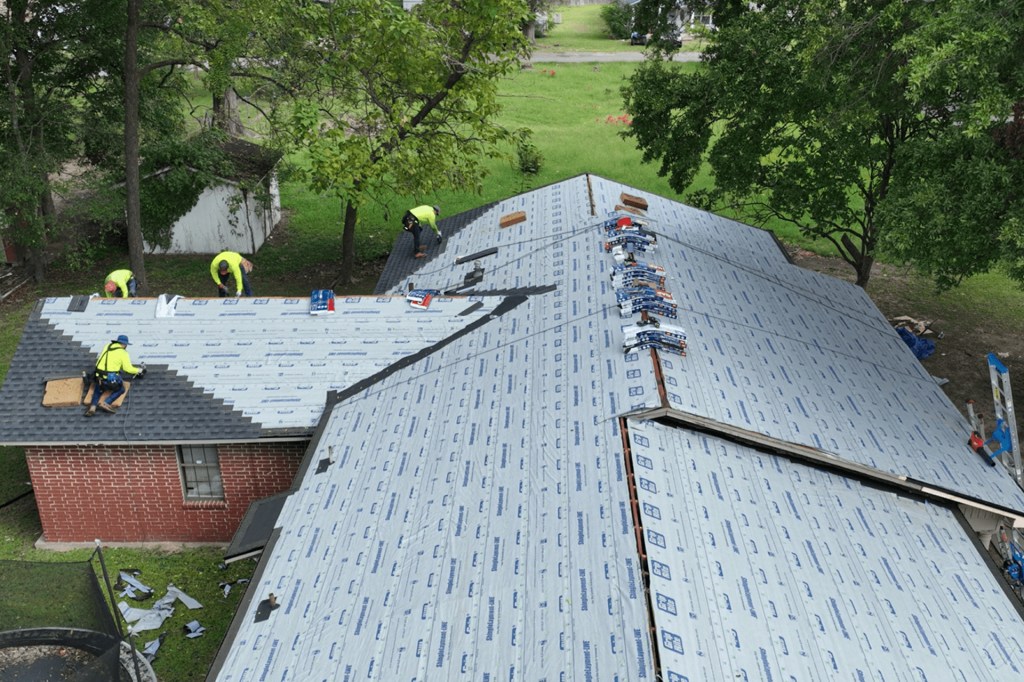
Innovation and collaboration help drive access to capital in rural communities
Accessing funding and capital can be difficult in rural and urban communities. But the barriers for rural communities can be heightened due to capacity and resource constraints. Organizations are using creativity to turn challenges into opportunities.
-

The Quarterly Catch-up, Q1 2026
Check out the latest community development-related research, analyses, and articles from all 12 Federal Reserve Banks and the Board of Governors. This post captures content published between January 1 and March 31, 2026, on topics affecting communities.
-

The Quarterly Catch-up, Q4 2025
Check out the latest community development-related research, analyses, and articles from all 12 Federal Reserve Banks and the Board of Governors. This post captures content published between October 1 and December 31, 2025, on topics affecting communities.
-
![[Watch] CDFIs Unpacked: Trends and Takeaways from Mission-Driven Lenders](https://fedcommunities.org/wp-content/uploads/2025/08/Sep-25-2025-CC-1920x1280-1.jpg?w=1024)
[Watch] CDFIs Unpacked: Trends and Takeaways from Mission-Driven Lenders
During this Connecting Communities webinar, Federal Reserve Staff discuss findings from the 2025 Community Development Financial Institution (CDFI) Survey and how they connect with community lenders and financial institutions to better understand economic conditions for consumers, individuals, and businesses. Watch or listen on demand.
-

The Quarterly Catch-up, Q3 2025
Check out the latest community development-related research, analyses, and articles from all 12 Federal Reserve Banks and the Board of Governors. This post captures content published between July 1 and September 30, 2025, on topics affecting communities.
-

Could greater secondary market access help CDFIs meet growing demand?
Demand is up among underserved borrowers for community development financial institutions’ loans. Some industry experts are exploring whether these mission-driven lenders might leverage broader secondary market opportunities to increase available lending capital.
-
Community Investment Explorer
The CIE includes more than 3 million transactions totaling over $2.2 trillion in community and economic development capital from nine federal programs over a five-year period, primarily 2018-22. Data are based on the location of the project or the recipient of the funds (e.g., the affordable housing development, small business owner or consumer), not the…
-
DFA: Distributional Financial Accounts
The Distributional Financial Accounts (DFAs) provide quarterly estimates of the distribution of a comprehensive measure of U.S. household wealth, beginning with the third quarter of 1989 and through the most recent quarter.
-

An interactive tool maps the community development funding landscape
The St. Louis Fed created the Community Investment Explorer tool, which analyzes five years of the most recently available data from nine funding programs to help inform community researchers and practitioners.