



Kansas City Fed
-
Community perspectives and conditions from the Fed’s Beige Book, October 2026
The October Beige Book highlights financial strain as households face rising essential costs and reduced benefits, while nonprofits and small businesses continue to face growing demand, expenses, and uncertainty.
-

The Quarterly Catch-up, Q3 2026
Check out the latest community development-related research, analyses, and articles from all 12 Federal Reserve Banks and the Board of Governors. This post captures content published between July 1 and September 30, 2026, on topics affecting communities.
-

Community perspectives and conditions from the Fed’s Beige Book, August 2026
Rising costs continue to put a strain on households and communities. The August Beige Book highlights pressures from housing, transportation, and health care costs, along with small businesses experiencing limited access to credit and workforce challenges.
-
Community perspectives and conditions from the Fed’s Beige Book, July 2026
Communities nationwide are dealing with higher costs, limited affordable housing, workforce shifts, and less funding for training. Some workers now value stability more than advancement, while employers focus on hiring candidates with strong soft skills and offer job training.
-

The Quarterly Catch-up, Q2 2026
Check out the latest community development-related research, analyses, and articles from all 12 Federal Reserve Banks and the Board of Governors. This post captures content published between April 1 and June 2026, on topics affecting communities.
-
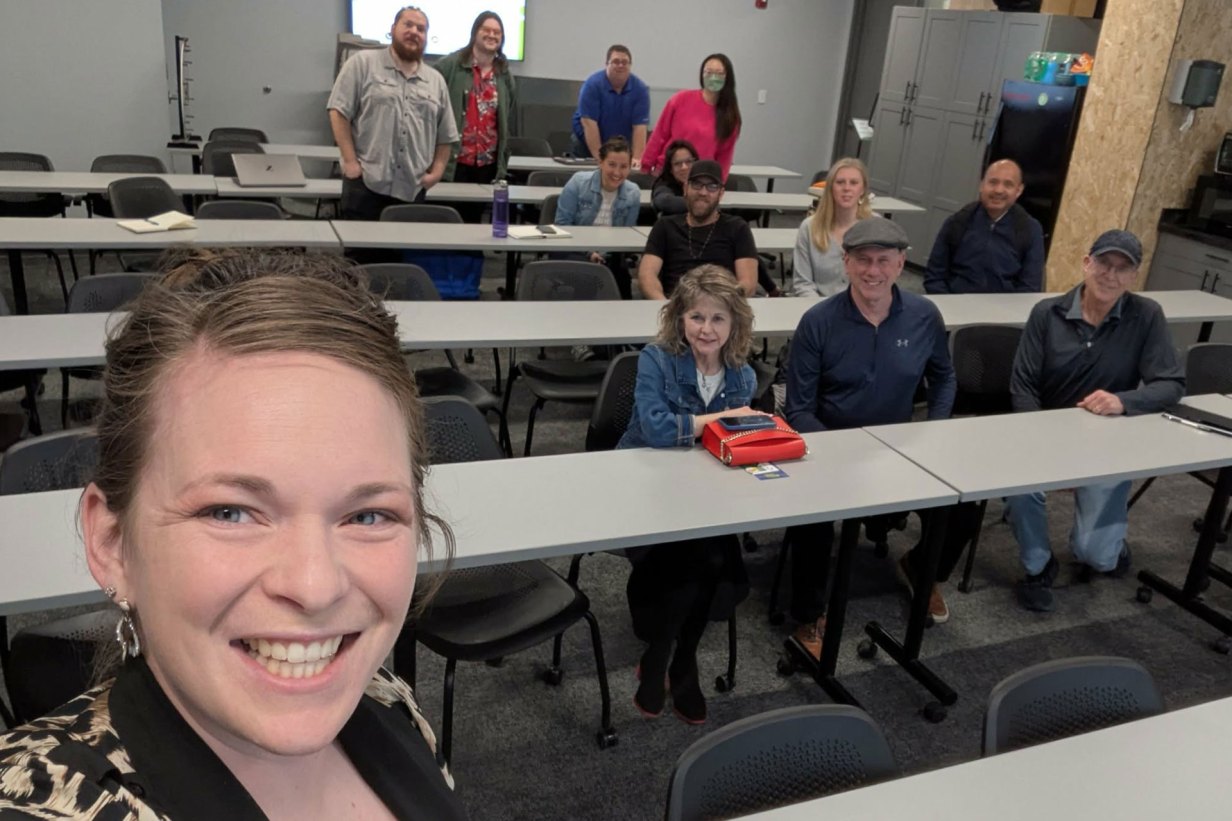
“This is a way for Nebraska to be heard”: Coalition drives responses for—and representation in—the Fed’s Small Business Credit Survey
Two agencies supporting small business growth in Nebraska have teamed up to drive survey responses for the Federal Reserve’s annual Small Business Credit Survey. Their coalition efforts have yielded valuable insights into what small business owners in the state need—and helped bring their voices into policy discussions.
-
Community perspectives and conditions from the Fed’s Beige Book, May 2026
Rising fuel costs and slow wage growth are straining lower-income households. One contact noted that more workers are now requesting higher pay to meet basic needs. Nonprofit organizations continue to face funding shortages and higher operating costs.
-

Fed’s Occupational Mobility Explorer enhances opportunities for job seekers and workforce development professionals
The Federal Reserve’s Occupational Mobility Explorer illustrates how a skills-based approach to hiring can benefit workers, workforce development professionals, employers, and human resources professionals.
-
Community perspectives and conditions from the Fed’s Beige Book, April 2026
Inflation is driving increases in the utilization of support services, spending on credit, and restructuring debt. As one contact noted, lower- and middle-income households “can’t out-budget low wages, tariffs, and inflation.”
-

LMI Data Books
The LMI Data Books are an assembly of data points with a focus on low- and moderate-income populations and communities. These tools are intended to aid community development organizations with their program planning and grant applications and provide a better understanding of the populations they serve. The data books are broken out into segments: demographics,…