




- This event has passed.
What’s Government Got to Do With It? Policy at All Levels
February 8, 2024 @ 2:00 pm – 3:30 pm EST
Please join us for a discussion of how federal, state and local policies could be used to close uneven outcomes in the workforce.
Speakers



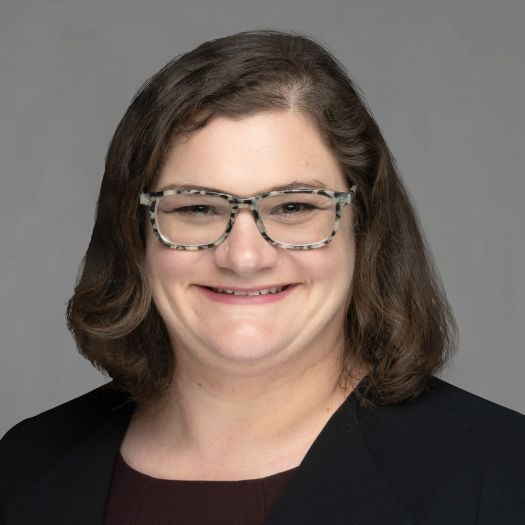

Bill Rodgers
Vice President and Director, Institute for Economic Equity
Federal Reserve Bank of St. Louis
Discussion Framer

Kathryn Rudloff
Executive Director of weVENTURE Women’s Business Center at
Florida Institute of Technology

Heather Stephens
Associate Professor & Director of the Regional Research Institute
West Virginia University
Agenda
Welcome and Opening Remarks
Merissa Piazza
Lead Policy Analyst
Federal Reserve Bank of Cleveland
Day’s Framing
Bill Rodgers
Vice President and Director, Institute for Economic Equity
Federal Reserve Bank of St. Louis
Effects of Changes in the Federal Funds Rate on Households
Presenter: Rajashri Chakrabarti
Head of Equitable Growth Studies
Federal Reserve Bank of New York
Labor Force Participation and Unemployment: Structural Change from the Pandemic?
Presenter: Neil Ericsson
Principal Economist
Board of Governors of the Federal Reserve System
Impact of State-Level Family Policies on Female Labor Force Participation and Entrepreneurship
Presenter: Kathryn Rudloff
Executive Director of weVENTURE
Florida Institute of Technology
How Economic Development Incentives affect Racial and Gender Segregation of Employment and Wages
Presenter: Heather Stephens
Associate Professor & Director of the Regional Research Institute
West Virginia University
Discussant and Q&A
Enrique Lopezlira
Director, Low-Wage Work Program
UC Berkeley Labor Center
Closing
Presented by

Location
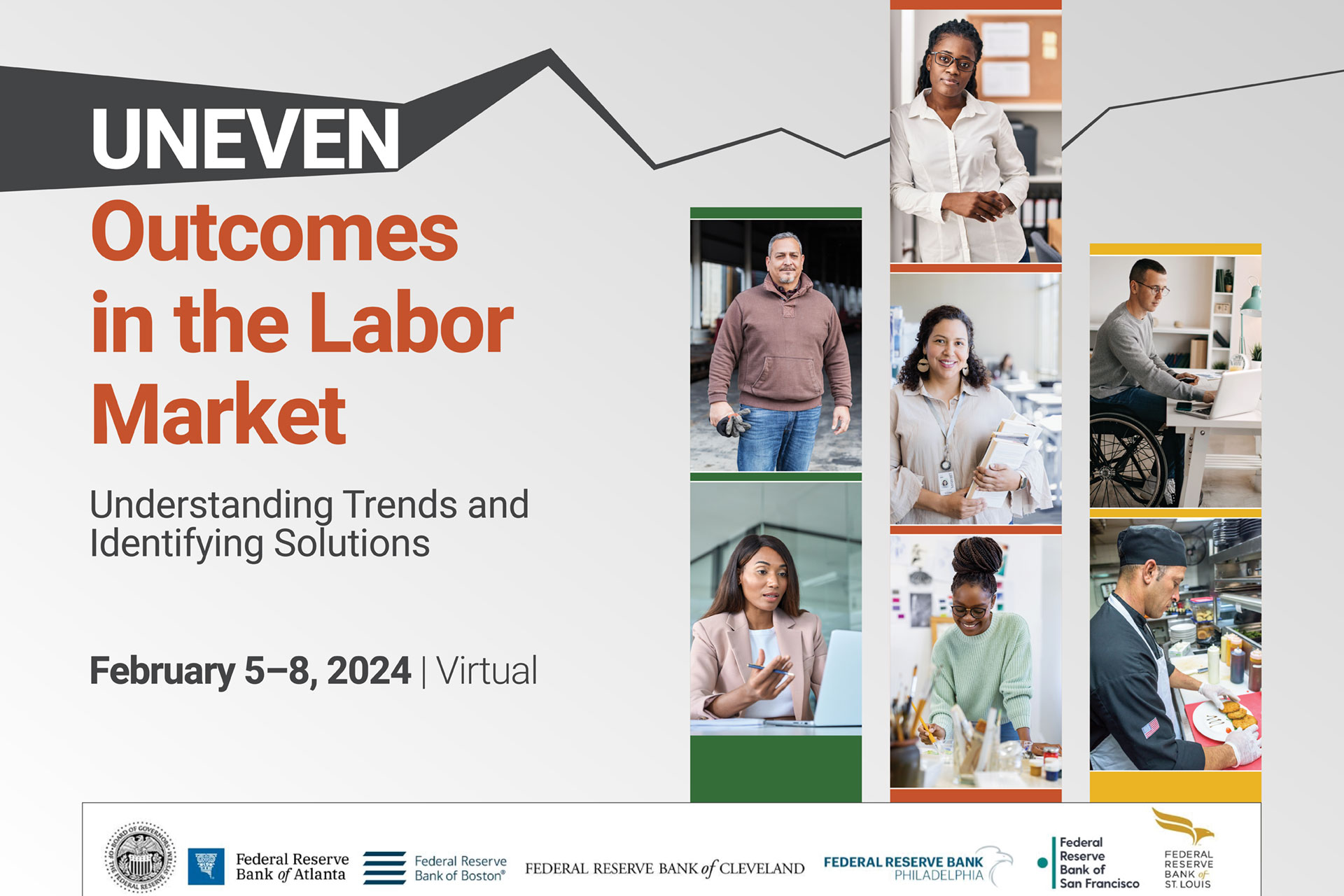
Uneven Outcomes in the Labor Market
Understanding Trends and Identifying Solutions
In 2024, community development staff from the Federal Reserve Board of Governors and the Federal Reserve Banks of Atlanta, Boston, Cleveland, Philadelphia, San Francisco, and St. Louis are hosting a conference, Uneven Outcomes in the Labor Market: Understanding Trends and Identifying Solutions. The conference will convene a diverse network of researchers, policymakers, and practitioners to examine inequities in labor market outcomes and explore the implications of disparities on aggregate economic performance, individual workers, and communities. They will also discuss new directions for policy and research.
Understanding employment conditions requires evidence from a wide spectrum of sources. To this end, the Federal Reserve is interested in highlighting research that examines disparities in employment, labor force participation, income, and wealth across demographic groups. Analyzing disparate outcomes can inform policy that identify those who are excluded from the mainstream economy and suggests pathways for inclusion.