



Employment
-
![[Watch] Understanding Benefits Cliffs: Evidence, Insights, and Open Questions](https://fedcommunities.org/wp-content/uploads/2026/06/benefits-cliff-connecting-communities.jpg?w=1232)
[Watch] Understanding Benefits Cliffs: Evidence, Insights, and Open Questions
Benefits cliffs can hinder economic mobility when career advancement results in the loss of public benefits. In this Connecting Communities webinar, explore research, innovative pilot programs, and community-driven strategies to help workers, employers, and policy makers navigate these challenges. Watch or listen on demand.
-

Beyond the household budget: A conversation on the affordability and economics of child care
Child care availability has significant implications for the nation’s economic health. An economist, policy experts, and a Fed researcher share perspectives and considerations related to thinking about child care affordability and how it impacts accessibility.
-

The Quarterly Catch-up, Q2 2026
Check out the latest community development-related research, analyses, and articles from all 12 Federal Reserve Banks and the Board of Governors. This post captures content published between April 1 and June 2026, on topics affecting communities.
-

Worker Perspectives: When every dollar counts: Inside the economic struggles of workers who earn low to moderate incomes
For many lower and moderate income workers and job seekers, survival is replacing economic mobility. This research explores how individuals navigate tight budgets and a challenging job market. Despite these obstacles, many spoke of their perseverance in the face of challenges and remained confident in their ability to navigate uncertainty.
-
2026 Worker Perspectives Report: When every dollar counts: Inside the economic struggles of workers who earn low to moderate incomes
The Worker Perspectives Report explores how workers are navigating rising costs, limited opportunities, and a challenging job market. To navigate these obstacles they are adapting finances and career plans, while also speaking hopefully about their personal ability to manage uncertainty. In their employment, they prioritize flexibility, work-life balance, and fair pay. Here’s what workers are…
-
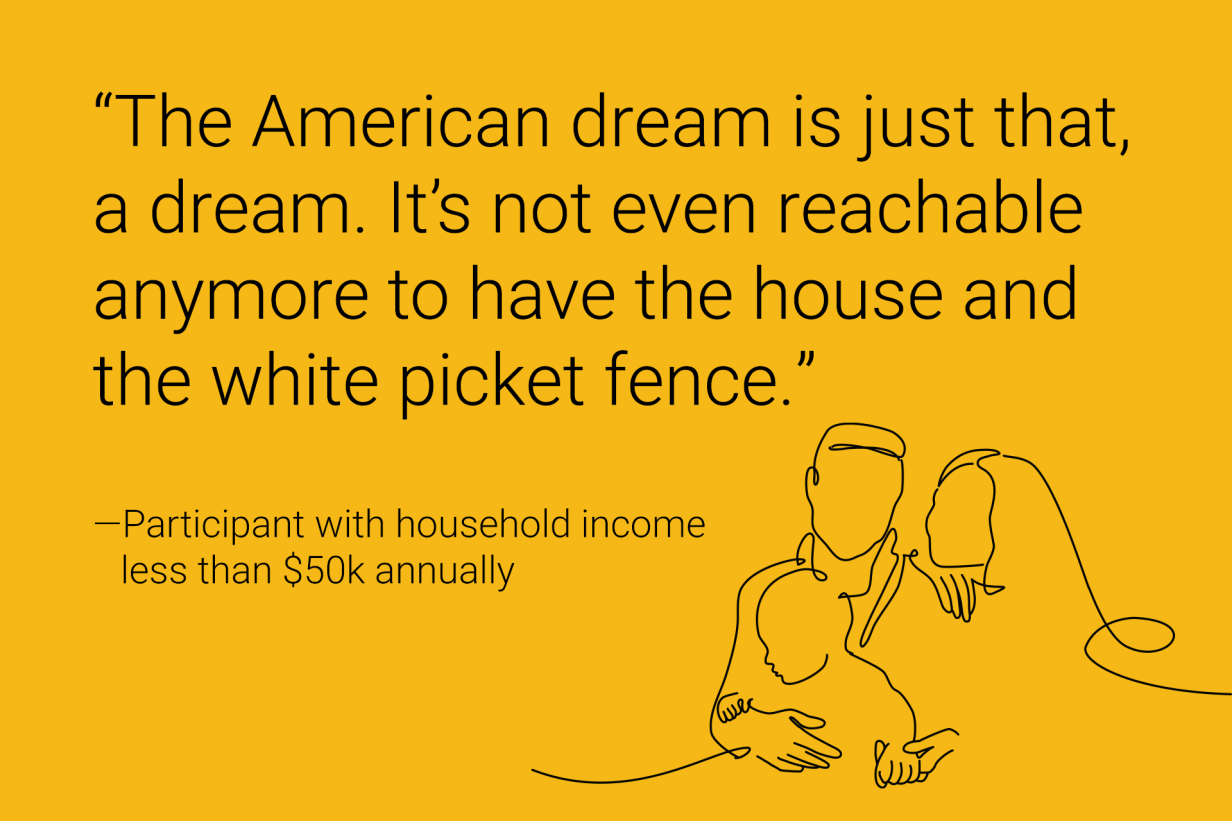
Worker Perspectives: Key Themes
The 2026 Worker Perspectives Report shows workers face financial instability from rising costs and inadequate wages. This instability limits their economic mobility. They struggle to find quality jobs amid new barriers, yet maintain personal confidence in their ability to persevere in the face of economic challenge despite low faith in the broader economy.
-

Fed’s Occupational Mobility Explorer enhances opportunities for job seekers and workforce development professionals
The Federal Reserve’s Occupational Mobility Explorer illustrates how a skills-based approach to hiring can benefit workers, workforce development professionals, employers, and human resources professionals.
-

State Data on Lower-Income Workers and Exposure to AI
Use our interactive tool to explore data for each state on workers who are relatively more likely to be affected by AI.
-

The Quarterly Catch-up, Q1 2026
Check out the latest community development-related research, analyses, and articles from all 12 Federal Reserve Banks and the Board of Governors. This post captures content published between January 1 and March 31, 2026, on topics affecting communities.
-

LMI Data Books
The LMI Data Books are an assembly of data points with a focus on low- and moderate-income populations and communities. These tools are intended to aid community development organizations with their program planning and grant applications and provide a better understanding of the populations they serve. The data books are broken out into segments: demographics,…