



New York Fed
-
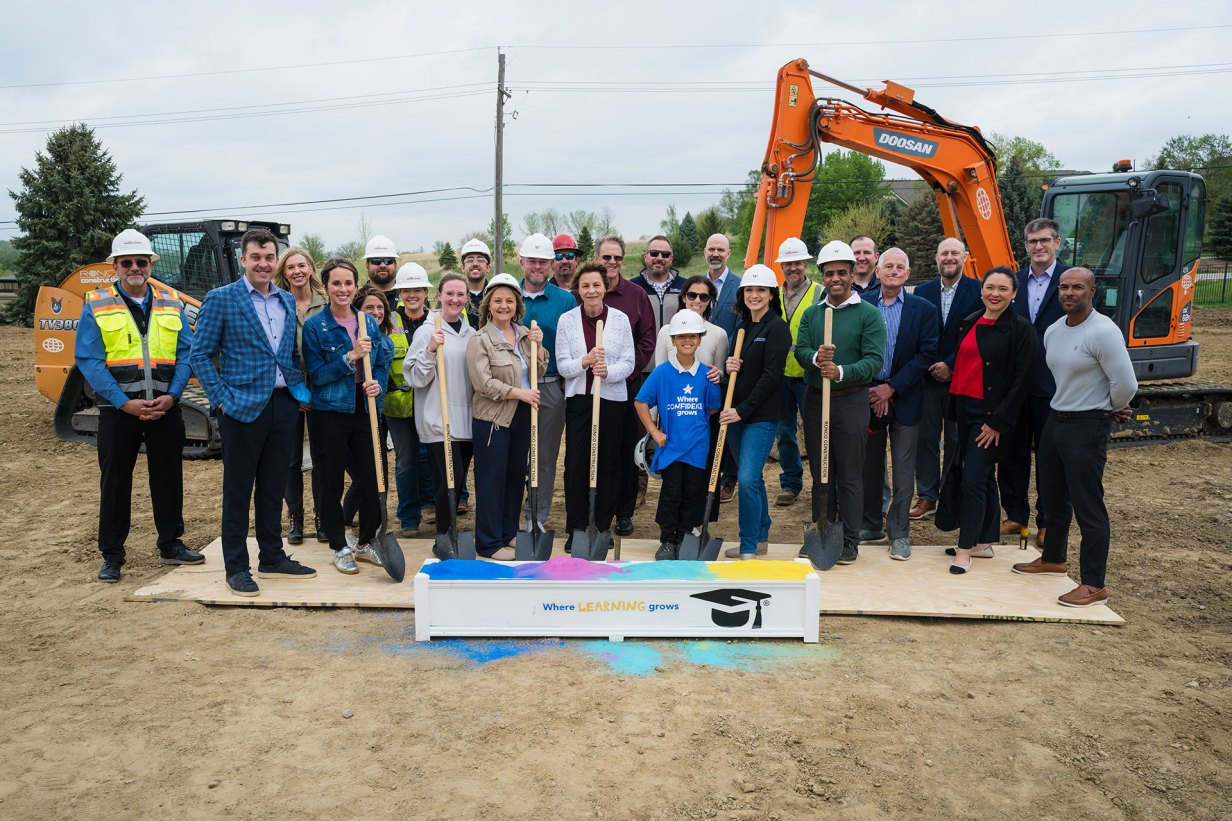
Impact-first capital aims to activate the larger community finance toolbox
As traditional financing sources stretch thin, impact investment may offer the patient, flexible, risk-tolerant capital some community development initiatives need. Federal Reserve staff and partners convene investors and community leaders to explore opportunities for this unique capital to help power communities’ plans for economic growth.
-
Community perspectives and conditions from the Fed’s Beige Book, October 2026
The October Beige Book highlights financial strain as households face rising essential costs and reduced benefits, while nonprofits and small businesses continue to face growing demand, expenses, and uncertainty.
-
The Quarterly Catch-up, Q3 2026
Check out the latest community development-related research, analyses, and articles from all 12 Federal Reserve Banks and the Board of Governors. This post captures content published between July 1 and September 30, 2026, on topics affecting communities.
-
Community perspectives and conditions from the Fed’s Beige Book, August 2026
Rising costs continue to put a strain on households and communities. The August Beige Book highlights pressures from housing, transportation, and health care costs, along with small businesses experiencing limited access to credit and workforce challenges.
-
Community perspectives and conditions from the Fed’s Beige Book, July 2026
Communities nationwide are dealing with higher costs, limited affordable housing, workforce shifts, and less funding for training. Some workers now value stability more than advancement, while employers focus on hiring candidates with strong soft skills and offer job training.
-
The Quarterly Catch-up, Q2 2026
Check out the latest community development-related research, analyses, and articles from all 12 Federal Reserve Banks and the Board of Governors. This post captures content published between April 1 and June 2026, on topics affecting communities.
-
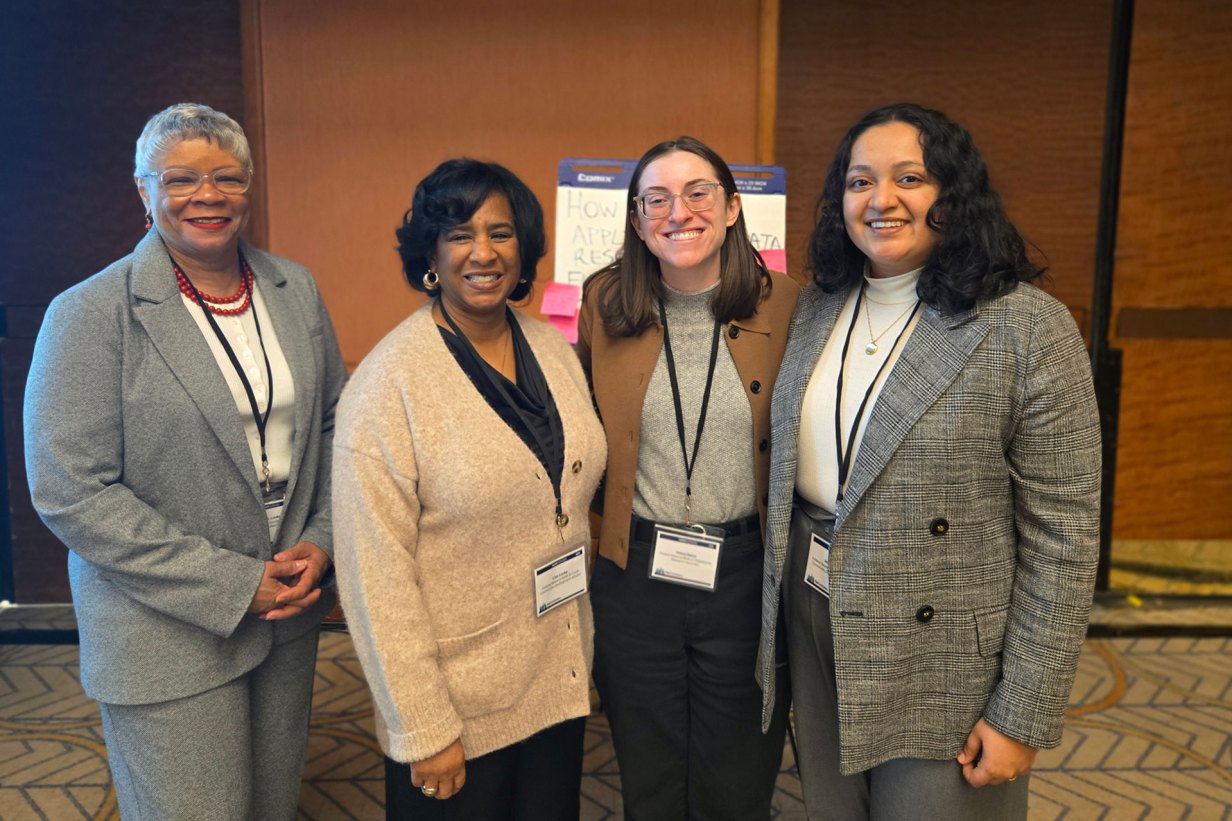
Beyond broadband: The link between digital access and financial well-being
As financial services increasingly move online, internet access and digital skills are becoming essential for financial well-being. Learn more about the link between digital access and financial access through tools and community advocates who are working to build digital skills and connect people to safe financial services.
-
Community perspectives and conditions from the Fed’s Beige Book, May 2026
Rising fuel costs and slow wage growth are straining lower-income households. One contact noted that more workers are now requesting higher pay to meet basic needs. Nonprofit organizations continue to face funding shortages and higher operating costs.
-

An affordable twist on investor-owned, single-family housing
Investors’ activity in the single-family rental market has raised both concerns about and interest in their approach, especially in lower-income neighborhoods. Drawing on what works, impact investors and intermediaries are adapting the model to serve affordability and preservation goals.
-
Community perspectives and conditions from the Fed’s Beige Book, April 2026
Inflation is driving increases in the utilization of support services, spending on credit, and restructuring debt. As one contact noted, lower- and middle-income households “can’t out-budget low wages, tariffs, and inflation.”