


Voices Blog – News & views for the community development field
-
![[Watch] How Fed Data Tools Can Inform Economic Mobility](https://fedcommunities.org/wp-content/uploads/2025/12/connecting-communities-ome-bc-data-tools.jpg?w=1024)
[Watch] How Fed Data Tools Can Inform Economic Mobility
Federal Reserve staff, along with panelists from organizations that leverage data resources to serve their communities, discuss skills-based hiring, navigating benefits cliffs, and fostering partnerships with employers. Watch or listen on demand.
-
Community perspectives and conditions from the Fed’s Beige Book, January 2026
Demand for social services is growing while rising costs continue to strain household, small business, and service provider budgets, according to January 2026 Beige Book observations.
-
From numbers to narratives: Why Native voices matter in data
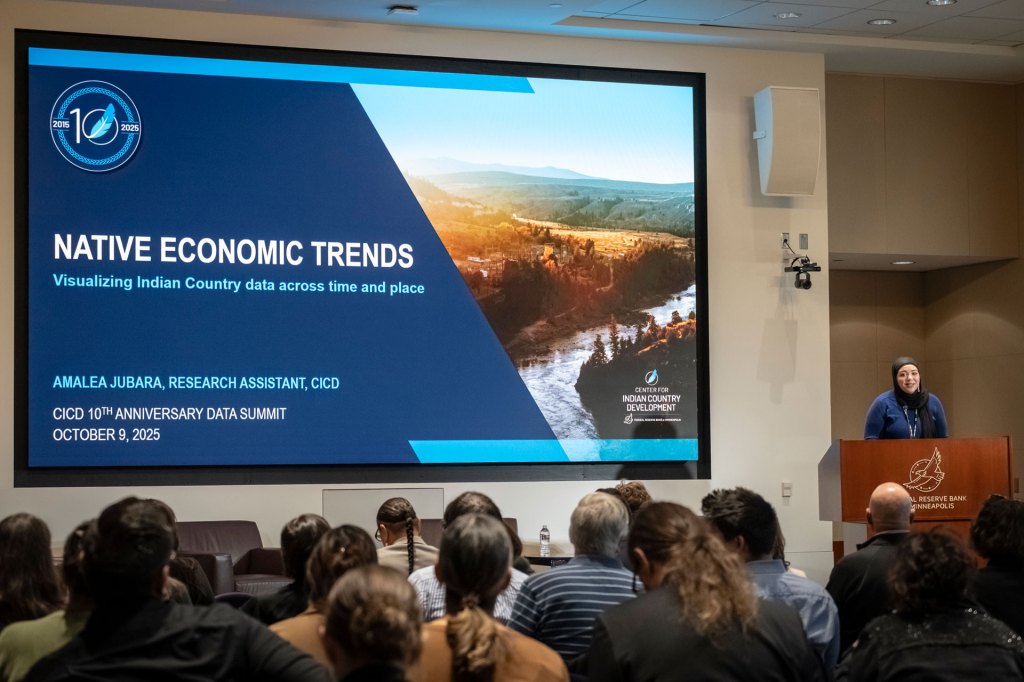
With its suite of tools, the Center for Indian Country Development enhances access to Native community economic data. Tools like Native Economic Trends fill data gaps and provide insights to advance Native Nations’ economic self-determination and Indigenous communities’ prosperity.
-

The Quarterly Catch-up, Q4 2025
Check out the latest community development-related research, analyses, and articles from all 12 Federal Reserve Banks and the Board of Governors. This post captures content published between October 1 and December 31, 2025, on topics affecting communities.
-
Community perspectives and conditions from the Fed’s Beige Book, November 2025
Here’s what nonprofit and community leaders, and workforce professionals serving lower-income people shared with the Federal Reserve for the November 2025 Beige Book.
-
![[Watch] How Your Experience of the Economy Matters to the Fed: A Conversation with Governor Michael S. Barr](https://fedcommunities.org/wp-content/uploads/2025/10/connecting-communities-how-experience-economy-matters-fed-conversation-governor-barr.jpg?w=1024)
[Watch] How Your Experience of the Economy Matters to the Fed: A Conversation with Governor Michael S. Barr
During this Connecting Communities webinar, Federal Reserve Governor Michael S. Barr shares what he is hearing from communities around the country and the value he and the Fed gain from these community insights. Watch or listen on demand.
-

Investing in health, tribal nations reap more than economic benefits
Improving and growing their health care infrastructure with their communities front of mind, three tribal nations in Oklahoma fuel employment, expand quality health care access, and enhance economic benefits for Native American citizens and the broader regional economy.
-

Community perspectives and conditions from the Fed’s Beige Book, October
Here’s what nonprofit and community leaders, and workforce professionals serving lower-income people shared with the Federal Reserve for the October 2025 Beige Book.
-

Why community conversations matter in monetary policy
Beth M. Hammack, president and chief executive officer of the Federal Reserve Bank of Cleveland, reflects on her first year as a Fed president and how listening to community stakeholders plays a significant role in the decisions and actions the Fed takes to promote a healthy economy.
-

Millions ready to work but face barriers, new and old
How do we better connect people with economic opportunity? Policy Summit 2025 panelists talk artificial intelligence, the need for child care and other supports, and the importance of word of mouth.
-
![[Watch] CDFIs Unpacked: Trends and Takeaways from Mission-Driven Lenders](https://fedcommunities.org/wp-content/uploads/2025/08/Sep-25-2025-CC-1920x1280-1.jpg?w=1024)
[Watch] CDFIs Unpacked: Trends and Takeaways from Mission-Driven Lenders
During this Connecting Communities webinar, Federal Reserve Staff discuss findings from the 2025 Community Development Financial Institution (CDFI) Survey and how they connect with community lenders and financial institutions to better understand economic conditions for consumers, individuals, and businesses. Watch or listen on demand.
-
The Quarterly Catch-up, Q3 2025
Check out the latest community development-related research, analyses, and articles from all 12 Federal Reserve Banks and the Board of Governors. This post captures content published between July 1 and September 30, 2025, on topics affecting communities.