



Data and Research
-

Promise, anxiety, and change: What the Fed is learning about AI’s impact on work
Artificial intelligence is impacting the way we work, and the workforce development ecosystem is changing as a result. The Federal Reserve’s Community Development function is among those tracking AI’s effects so far and what important questions remain.
-
2026 Worker Perspectives Executive Summary
2025 focus groups with low- to moderate-income workers reveal concerns about rising costs, stagnant wages, financial stress, and limited job options. Despite these challenges, participants remain optimistic and pursue better pay, stability, and work-life balance. Find out more.
-

Worker Perspectives: Economic context and methodology
The Federal Reserve Bank of Atlanta, in partnership with several other Federal Reserve Banks, and Ipsos, studied workers with lower and moderate income in the labor market. This study better informs policies on employment and price stability. The research focused on views about jobs, financial security, and employment expectations.
-

Worker Perspectives: When every dollar counts: Inside the economic struggles of workers who earn low to moderate incomes
For many lower and moderate income workers and job seekers, survival is replacing economic mobility. This research explores how individuals navigate tight budgets and a challenging job market. Despite these obstacles, many spoke of their perseverance in the face of challenges and remained confident in their ability to navigate uncertainty.
-
2026 Worker Perspectives Report: When every dollar counts: Inside the economic struggles of workers who earn low to moderate incomes
The Worker Perspectives Report explores how workers are navigating rising costs, limited opportunities, and a challenging job market. To navigate these obstacles they are adapting finances and career plans, while also speaking hopefully about their personal ability to manage uncertainty. In their employment, they prioritize flexibility, work-life balance, and fair pay. Here’s what workers are…
-
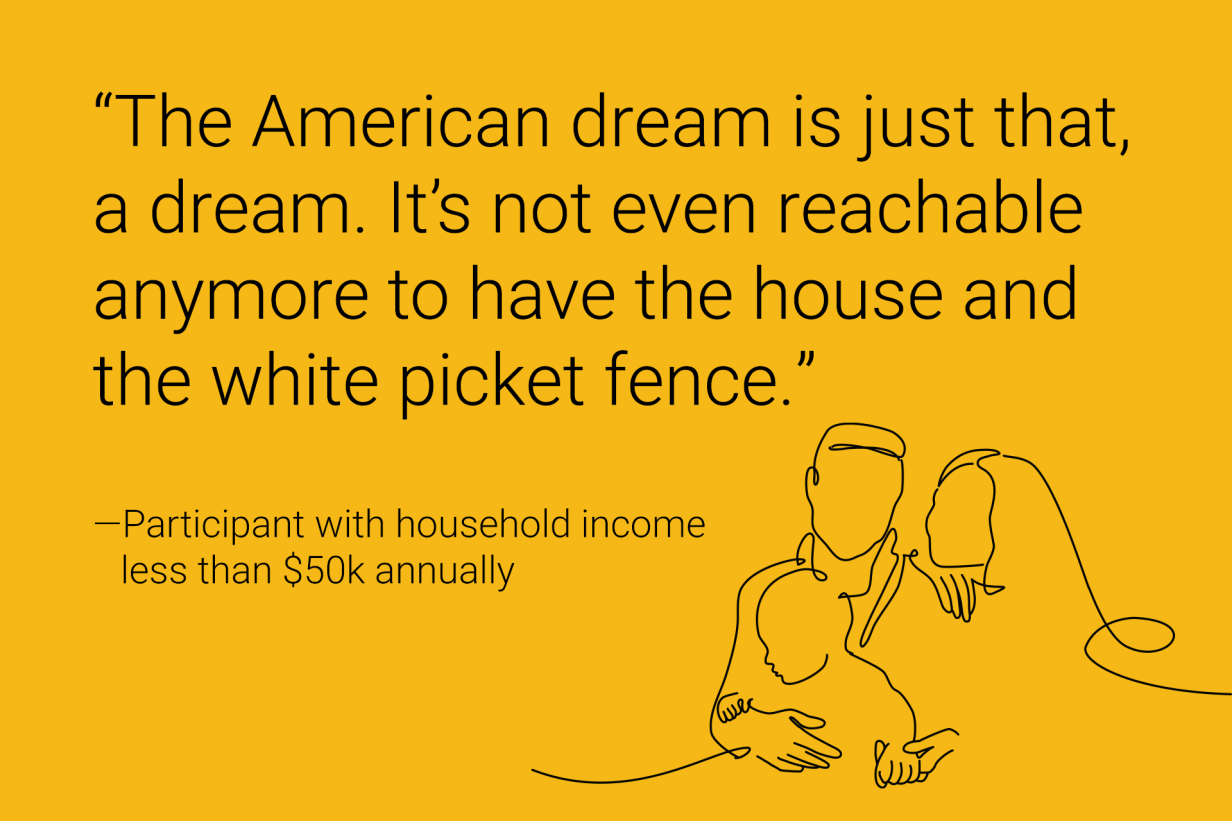
Worker Perspectives: Key Themes
The 2026 Worker Perspectives Report shows workers face financial instability from rising costs and inadequate wages. This instability limits their economic mobility. They struggle to find quality jobs amid new barriers, yet maintain personal confidence in their ability to persevere in the face of economic challenge despite low faith in the broader economy.
-

How the Fed studies and understands housing’s key role in the economy
The cost and availability of housing affect family budgets, labor force mobility, business growth, and the health of the economy. Learn how the Fed studies and engages with communities around vital housing trends, challenges, and innovations.
-

Small business strategies for supporting employee child care needs
Small businesses employ nearly half of private-sector workers but often have limited resources to offer benefits like child care. This article examines the prevalence of employer-supported child care and the practical strategies small businesses employ to support working parents.
-
2025 Community Perspectives Survey: Insights from the field—Health of entities serving low- and moderate-income communities
The second report from the 2025 Community Perspectives Survey highlights how LMI-serving organizations are managing demand, funding, and staffing. While many can meet community needs, challenges like resource strain and adapting to uncertainity are impacting their overall organizational health.