



Latest News and Views
-

Going over the benefits cliff: The catch of higher wages
Landing a better-paying job is the dream of many Americans. But what happens when a higher salary makes it harder to pay the bills?
-
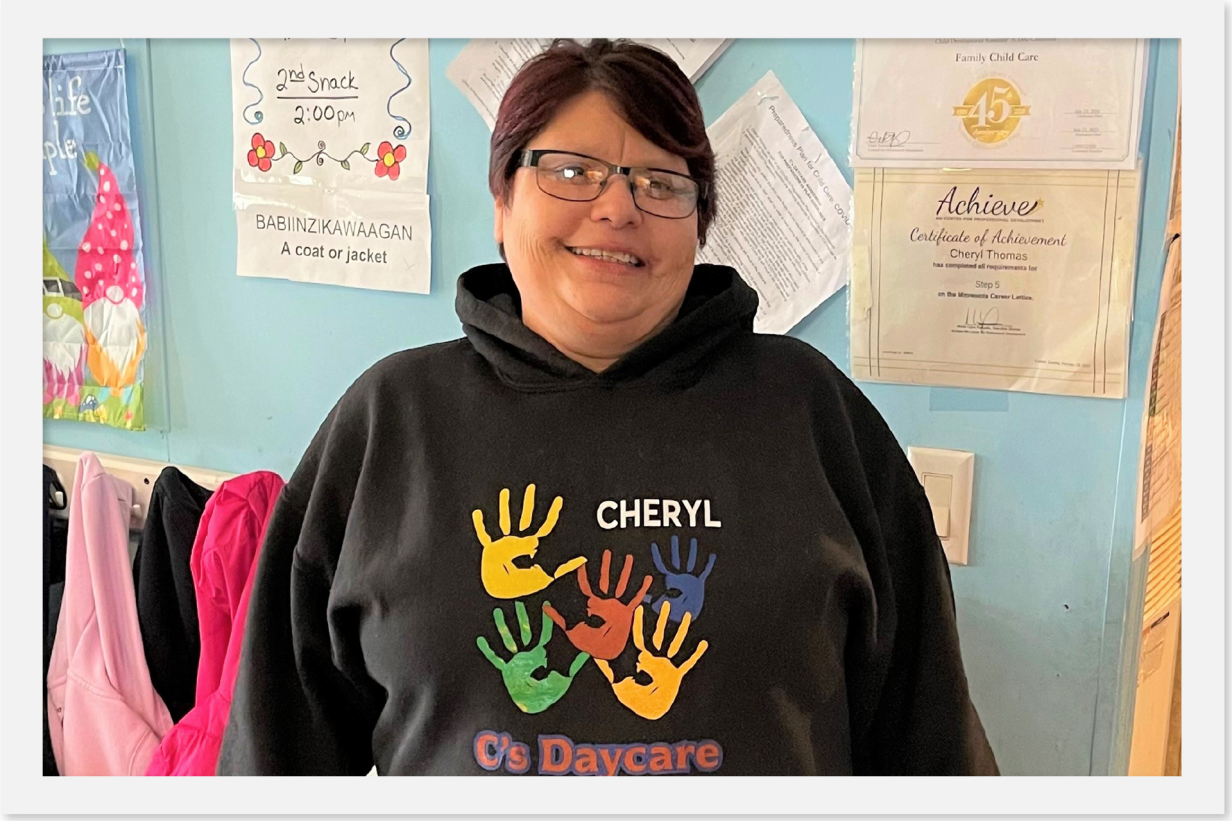
Supporting families and nurturing Ojibwe culture, C’s Daycare stands out in Minnesota’s child care landscape
Banks partner with a community non-profit to help a small business owner upgrade and expand her child care facility.
-

A collaborative approach to one state’s child care challenges
Lack of affordable, high-quality child care prevents many individuals from going back to work after the COVID-19 pandemic—and from entering the job market altogether. In Delaware, first-hand insights from parents, employers, and small business owners inform solutions to easing child care challenges in the state.
-
[Watch] Investing in Rural Prosperity: Framework for Advancing Economic Prosperity
In this webinar, get to know a framework for advancing shared economic prosperity in rural communities across the United States. Watch on demand.
-

‘Tell me the story of your life.’ Alex Fuentes listens deeply as part of the American Voices Project
The American Voices Project began as a way to study US poverty. It has grown into a trove of personal narrative and oral history of how people across the US experienced the COVID-19 pandemic.
-

Shonterria Charleston supports rural communities, even from a parking lot
For Housing Assistance Council, rural development issues include broadband access and helping veterans fund home improvement projects.
-

Community bank provides critical capital so small businesses can stay afloat
CDFI helps two business owners in Philadelphia’s Chinatown find a lifeline, and a partner, right in their own backyard.
-

MAPD brings communities’ mortgage relief needs into focus
When making decisions about distributing emergency pandemic-relief funds to distressed homeowners, state officials are using a new tool to identify where those funds are needed most.
-
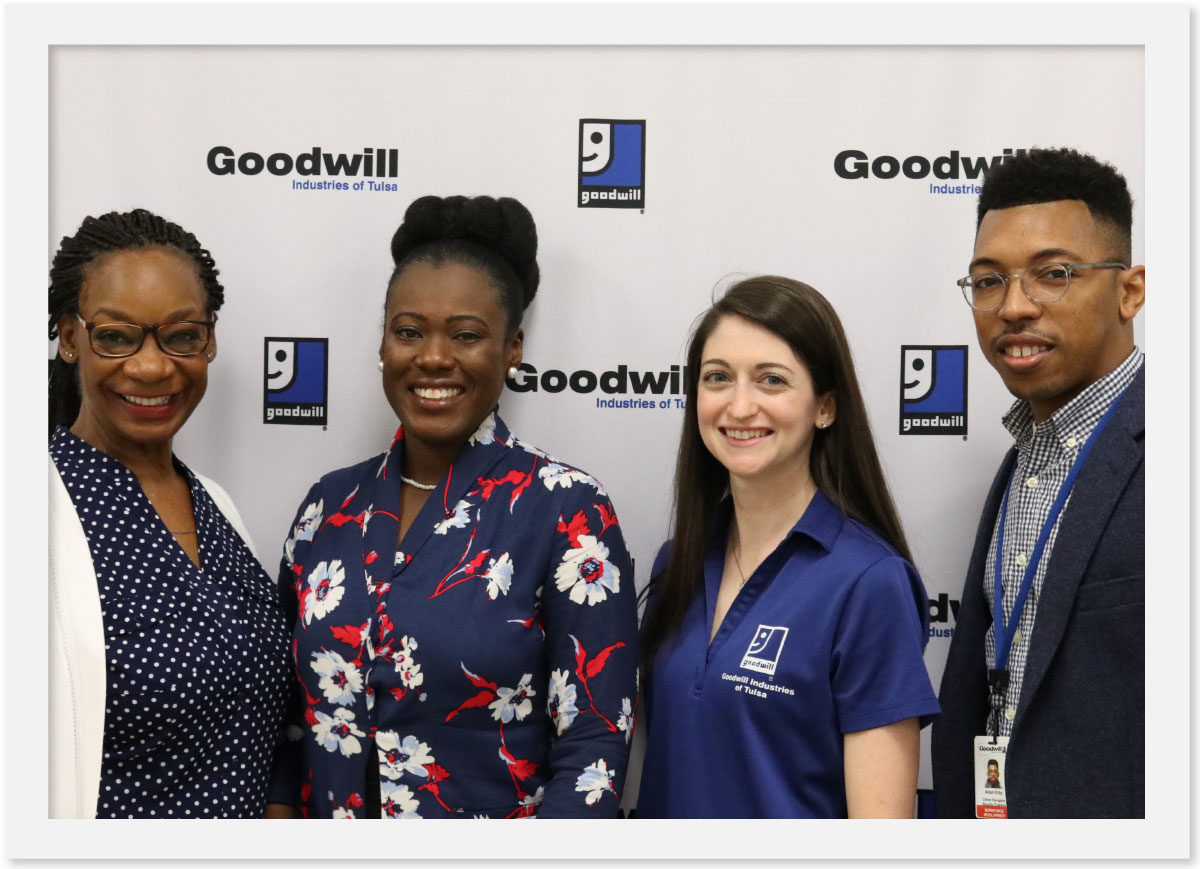
Banks help Tulsa embrace a promising future
From job training and industry-recognized skills certificates to job placement services and financial literacy education, get to know one program helping low- and moderate-income residents of Oklahoma and southwest Missouri enter the workforce.
-

Eviction moratorium highlights need for tenants to have counsel
A growing number of states and cities have passed laws that say low-income tenants have the right to counsel when they’re facing eviction. Most come with funds to implement the right to counsel.
-

Why are Native American-led CDFIs invisible to banks?
“In our 35 years extending credit to Native communities, not once has a bank invested in our work. Instead, we’ve relied on CDFI Fund grants, foundations, and philanthropic investors,” says Tawney Brunsch, executive director of Native CDFI Lakota Funds.
-

New dashboard highlights Native Americans’ place in national labor force conversations
How are Native Americans faring in the labor market? The new Native American Labor Market Dashboard lets you track statistics are not readily available anywhere else.